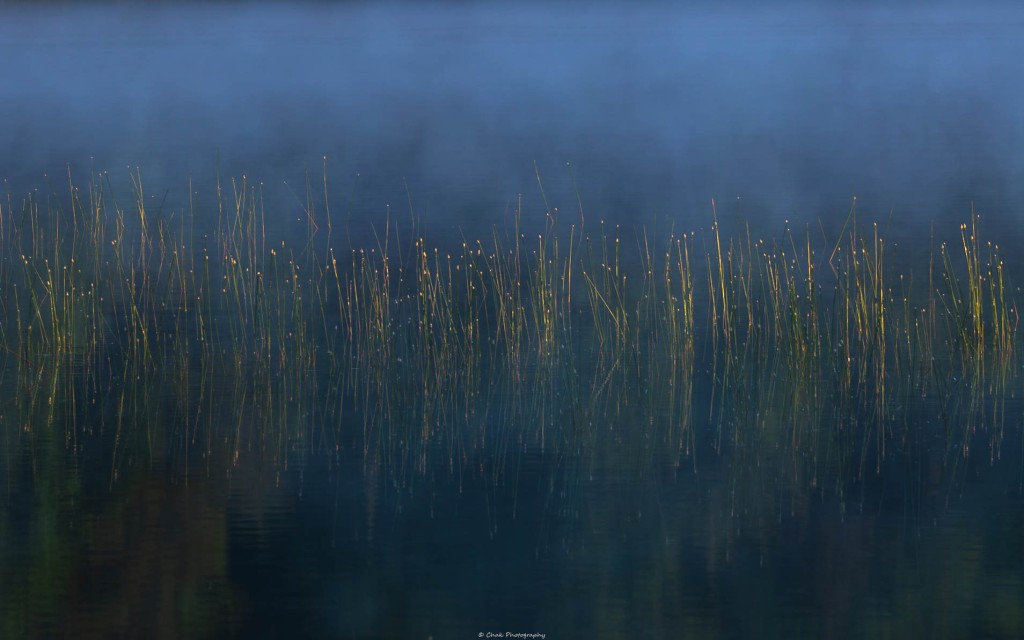
I have never seen a star that I have not seen.
When despair for the world grew, Wendell Berry came to The Peace of Wild Things and “felt above him the day-blind stars waiting with their light”.1
He came to wild things because he was not with his light.
And the future found his words, waiting with their light, in times of despair.
Primo Levi saw The Black Stars, where “The sky is strewn with horrible dead suns, Dense sediments of mangled atoms.”, and where “Light itself falls back down, broken by its own weight…”.2
If all is stardust, why is one better than the other.
Why did Berry’s words not find its way to Levi?
“Though my soul may set in darkness, it will rise in perfect light; I have loved the stars too fondly to be fearful of the night.” said The Old Astronomer to His Pupil, as told by Sarah Williams.3
If you do not learn a star now, how do I believe you will stand up for a constellation.
“Heart from heart is all as far, Fafaia, as star from star.” wrote Rupert Brooke.4
If I have to explode to create, then so be it.
If you are in awe, how can you be in the heart of things.
I have never seen a star that I have seen.
1- The Peace of Wild Things by Wendell Berry – Scottish Poetry Library
2- Poem Of The Week: ‘The Black Stars’ By Primo Levi (1919-1987)
3- Twilight Hours Quotes by Sarah Williams
4- Fafaia


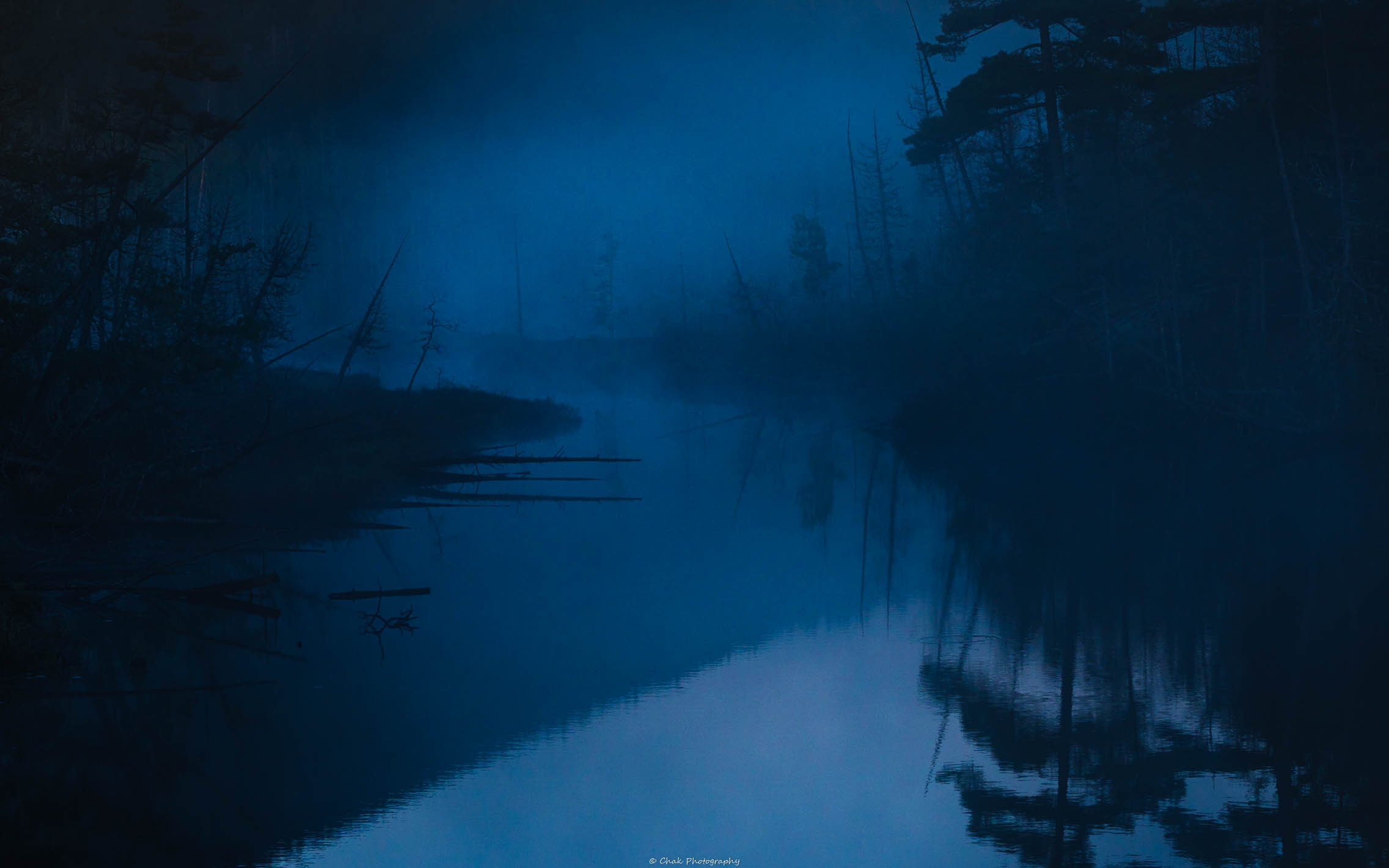
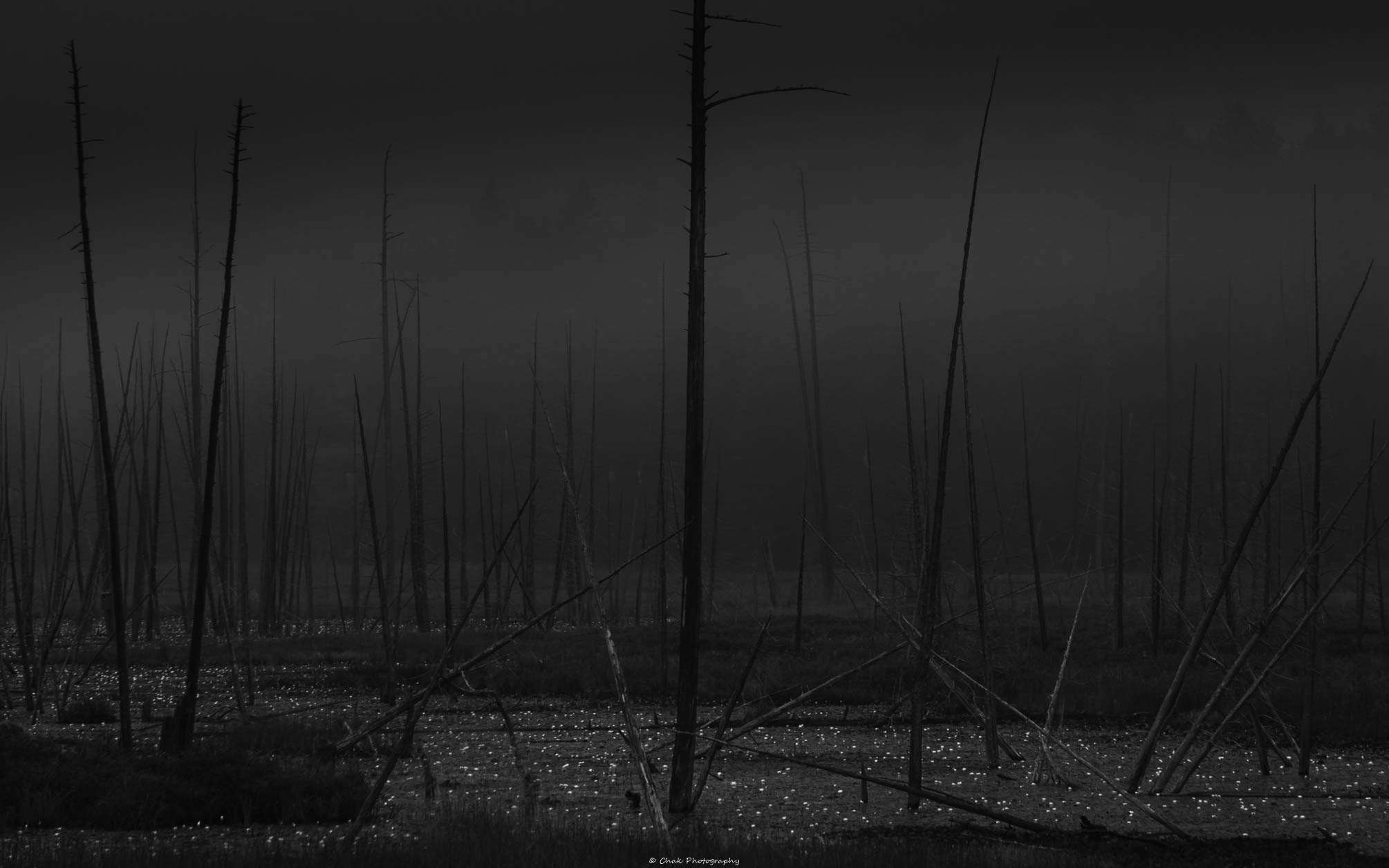

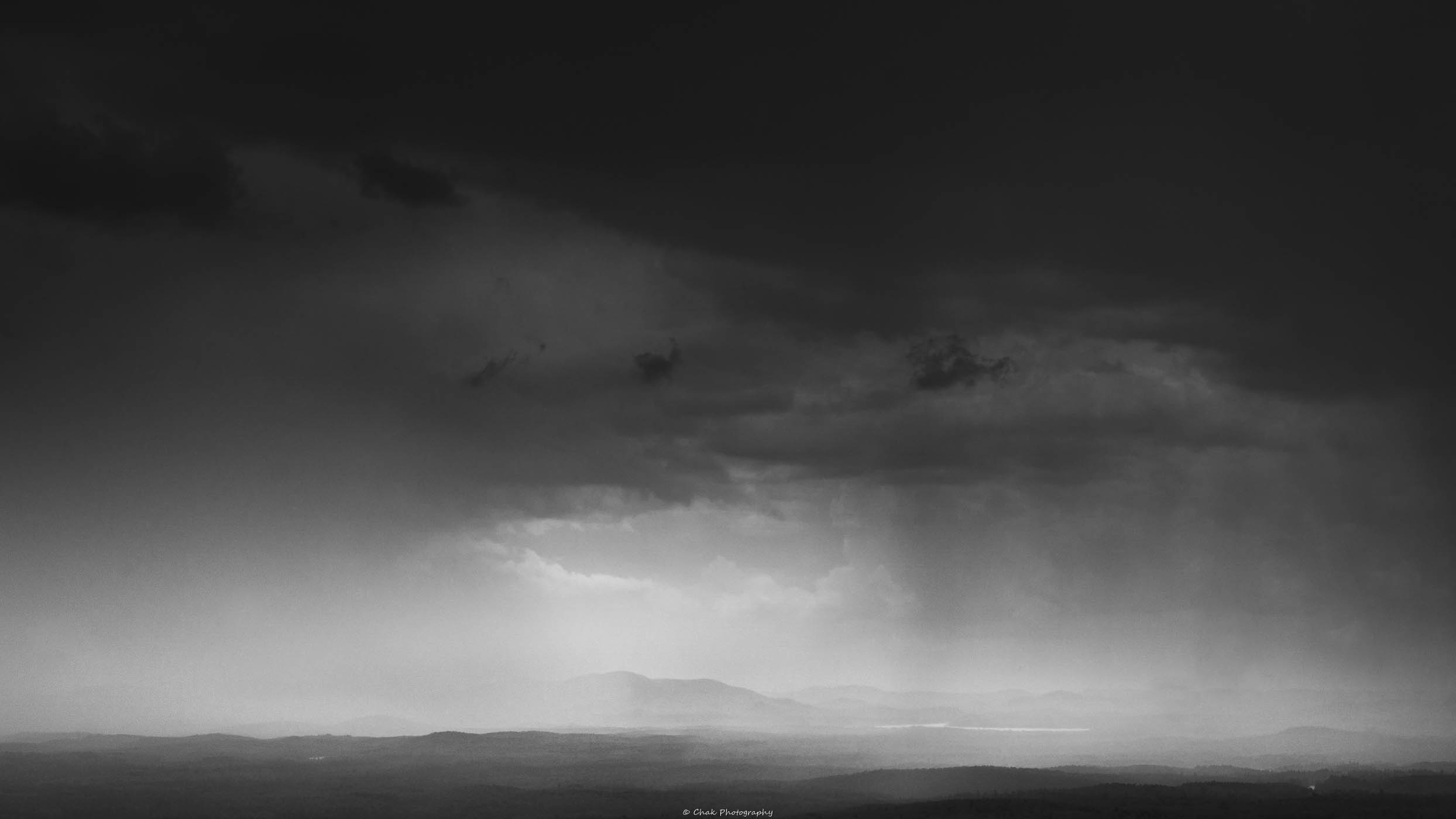
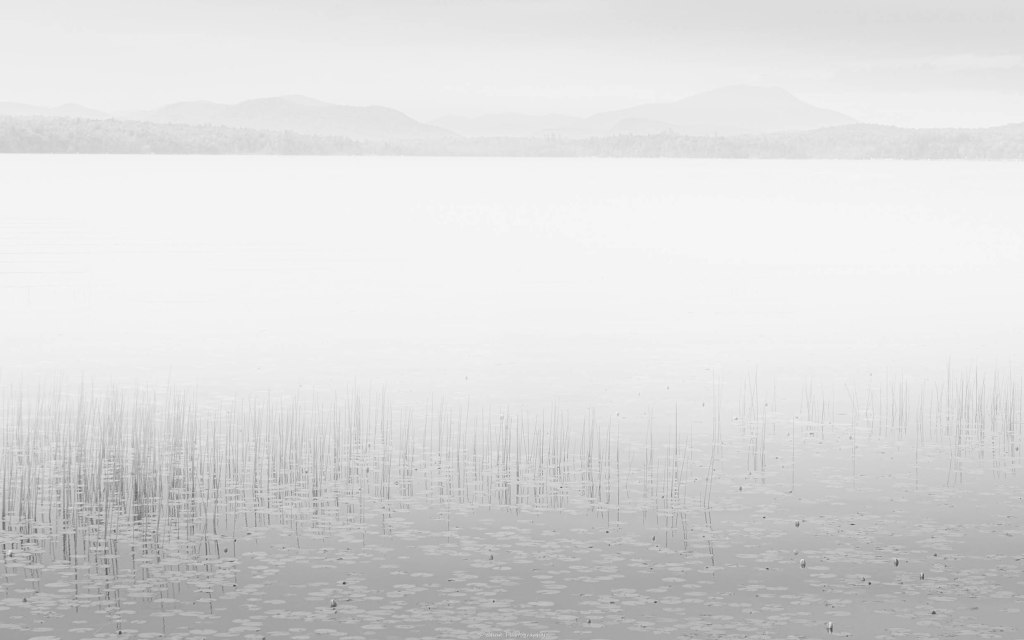


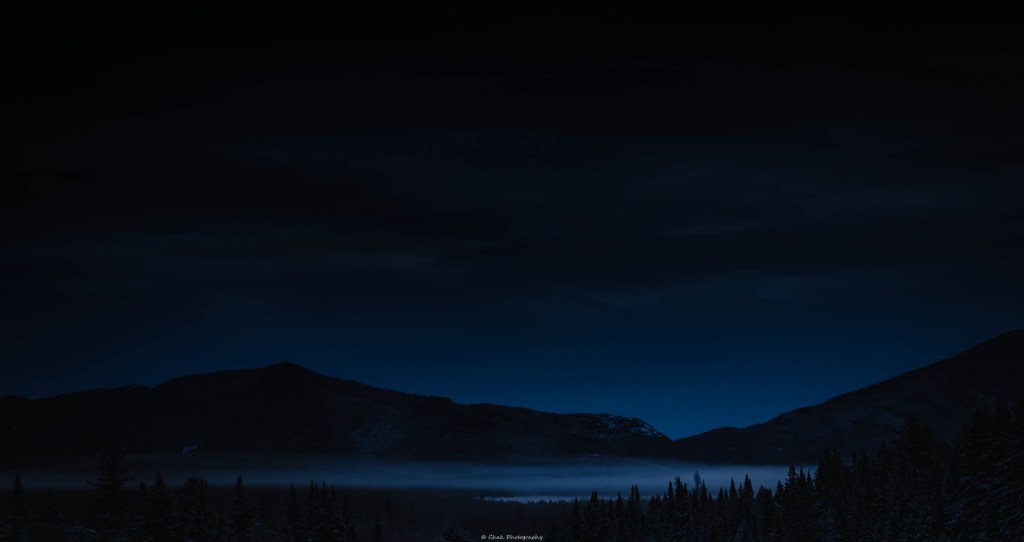


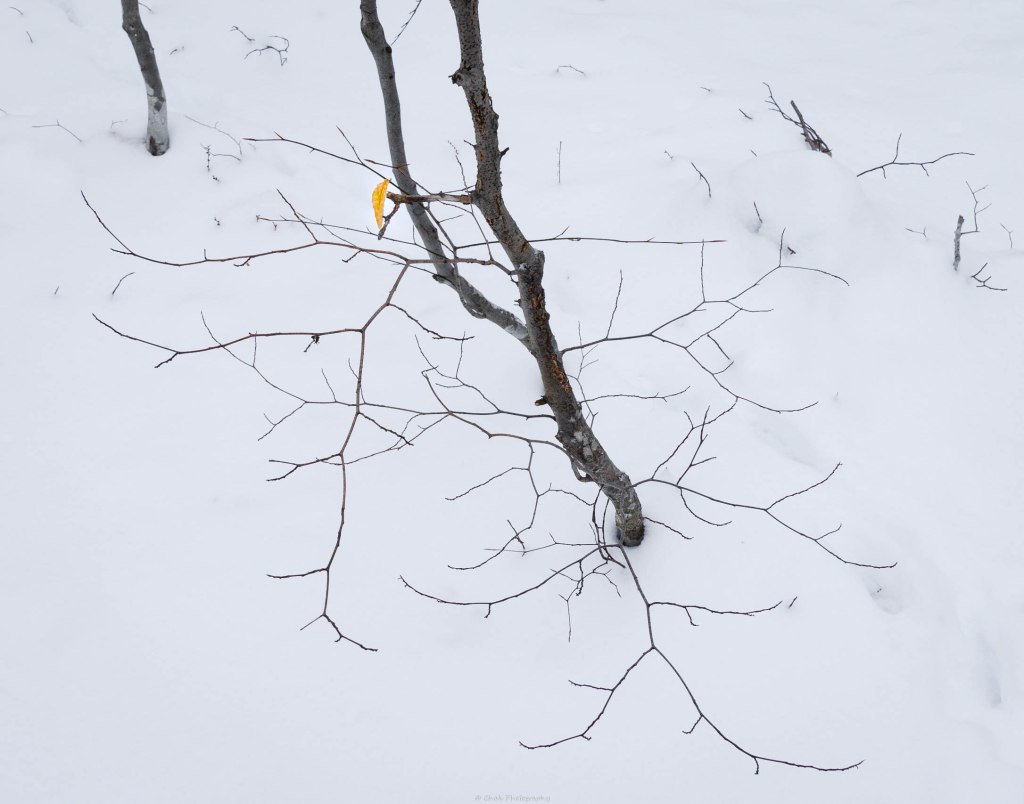
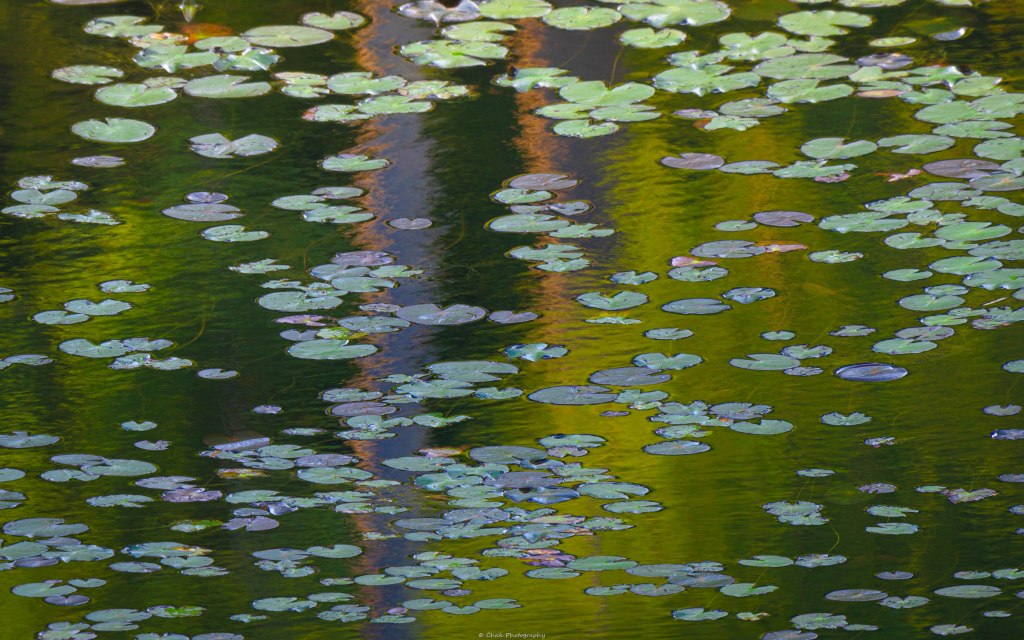


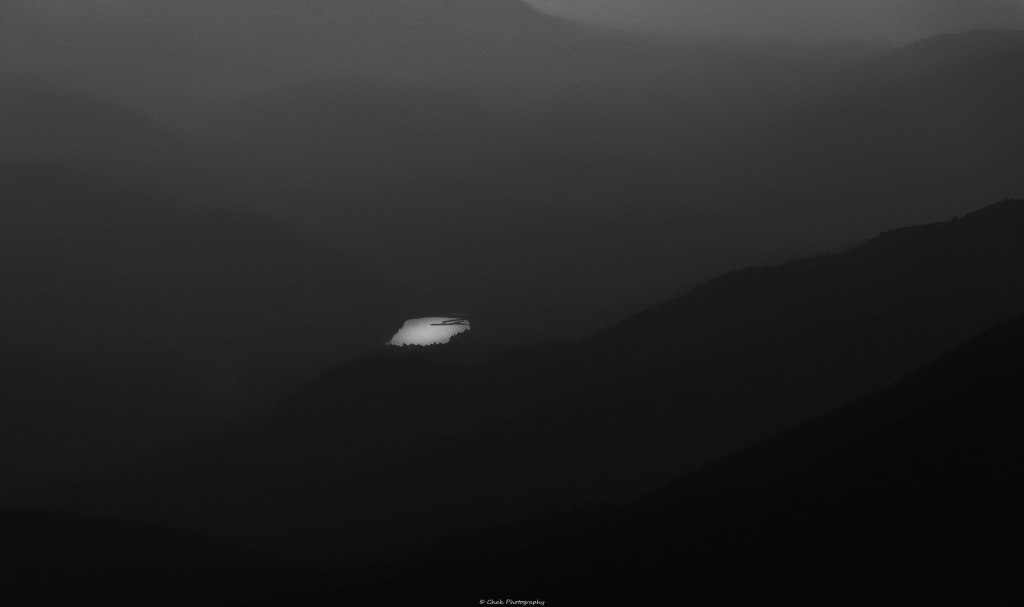




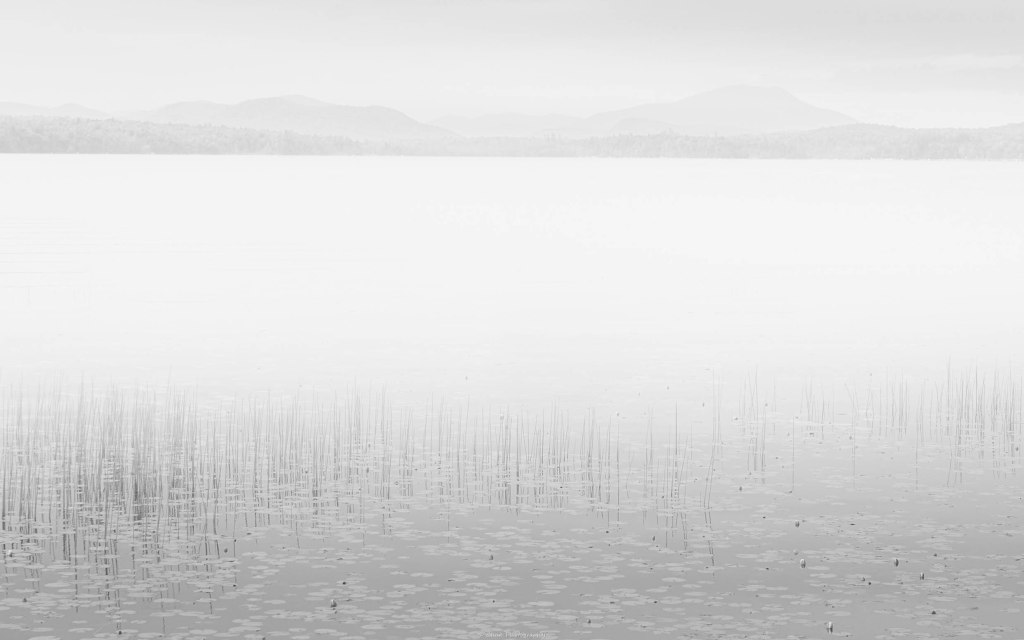
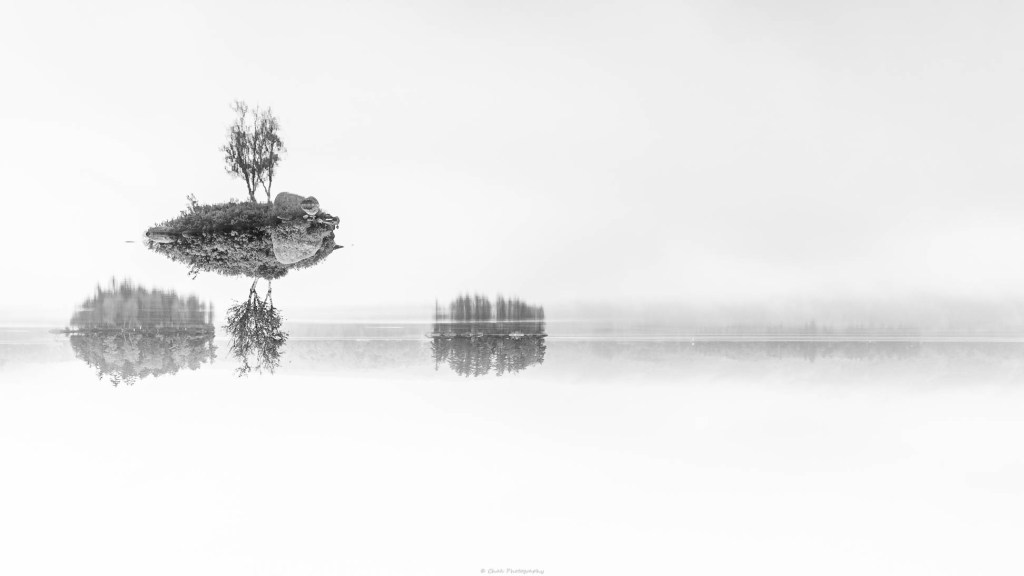

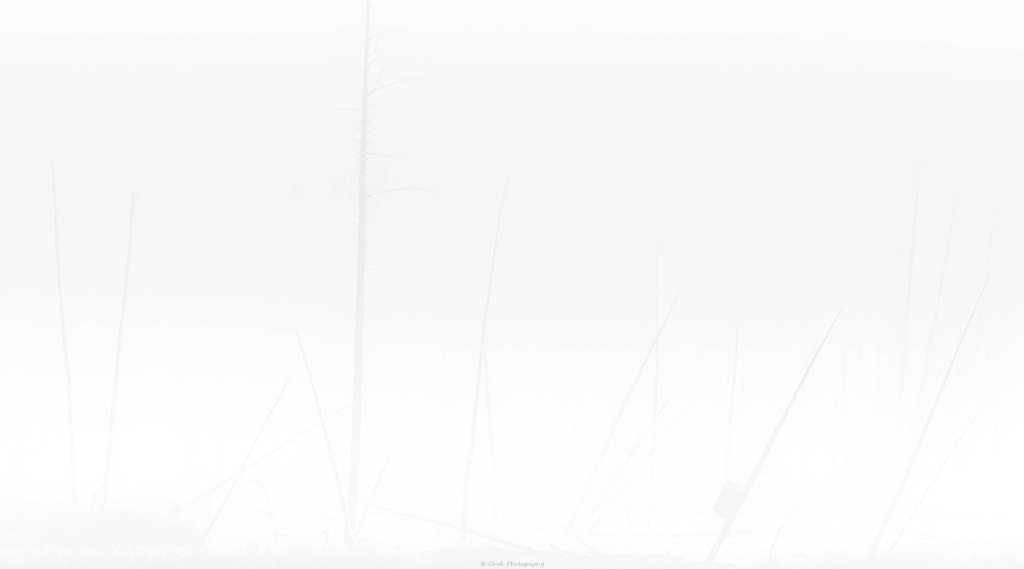
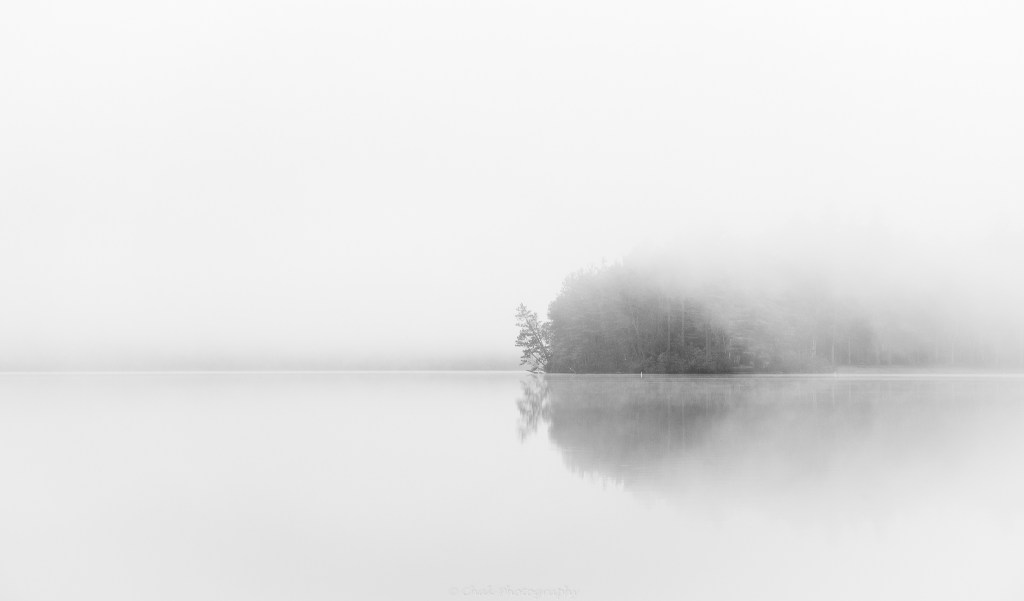

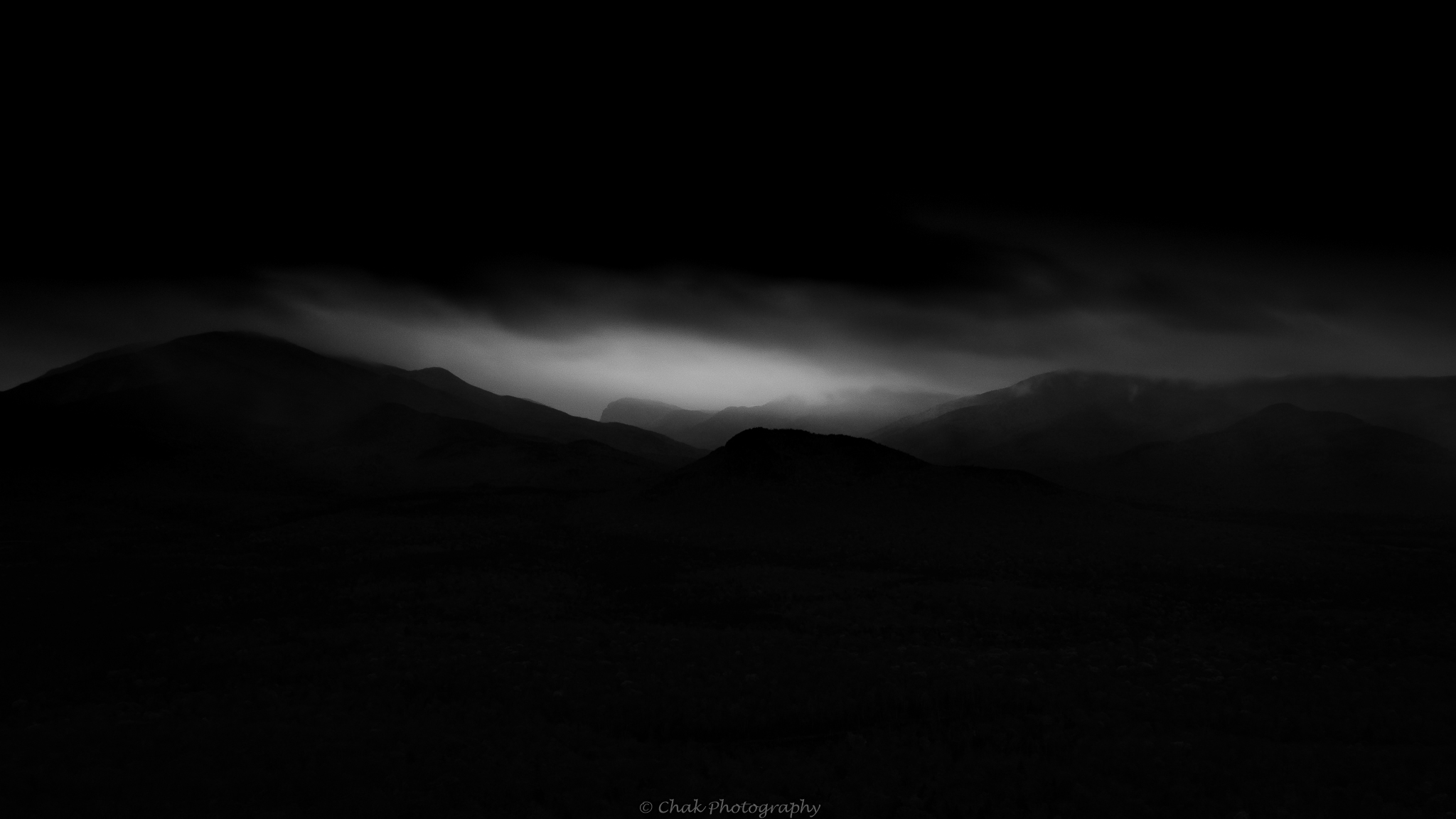 2065 A.D. Wildfires have been raging for about four years. Much of the pristine wilderness of the High Peaks is all but a memory. Thick smoke blankets the Adirondacks. A thin sliver of the forest in the horizon is now burning at a rapid pace. All efforts at containing the fire have now been deemed as a lost battle.
 It all started on one of the last clear Spring nights in 2061. People now fondly recollect the stars they witnessed that night, oblivious of the fact that this would probably be the last in their lifetime. A decade from this night, the mountain named ‘Whiteface’ is now considered a misnomer.
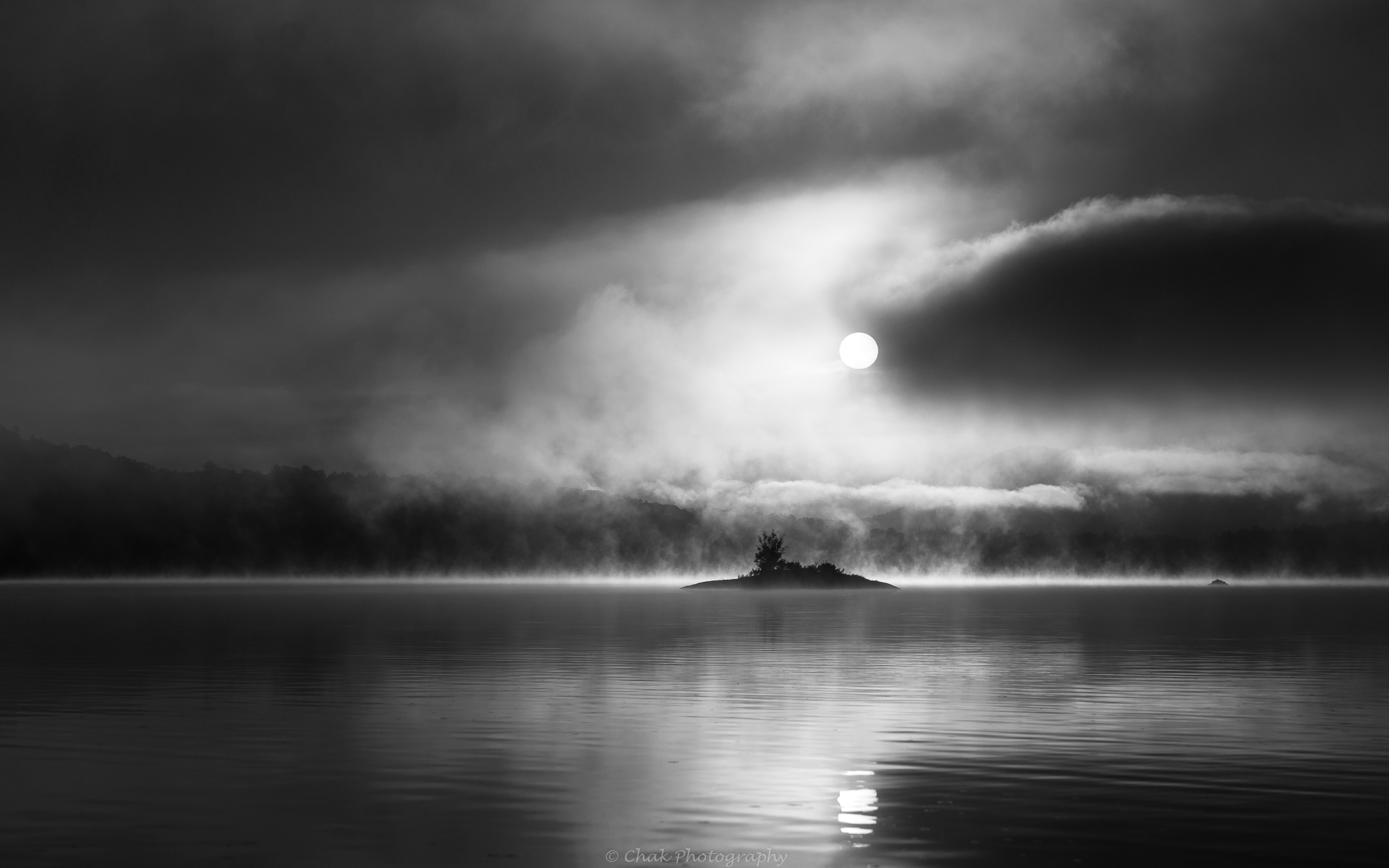 The clear night soon turned cloudy with the approach of dawn. This was becoming an increasing occurrence due to smog and air particulates from surrounding areas. The Adirondack lakes did put up a fine show of mist. Only this time it lingered on longer than usual. The Sun was finally able to pierce through the blanket, about three hours after its stipulated time.
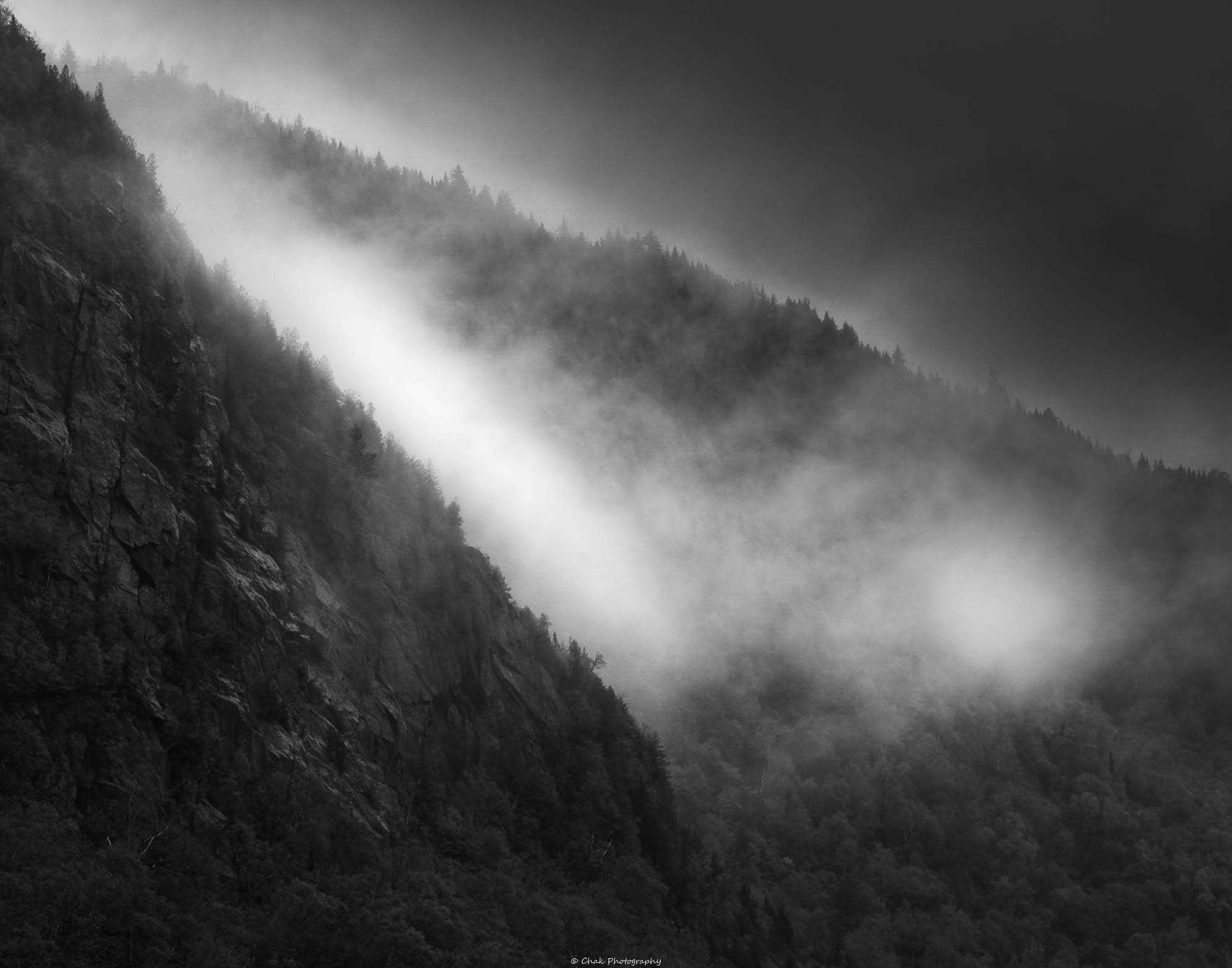 The clear and cloudless stretch of a mild winter with minimal snowfall of 2061 had finally showed its fangs, thus confirming the fearful suspicions of the ecologists. A small spark in the forest floor at the beginning of Spring soon started a cascade of wildfires. The source of this spark was never confirmed.
 The fresh foliage, however little that bloomed in the short-lived Spring was soon reduced to ashes leaving the denuded trunks to bear the burden of shame. It did seem as if ‘winter made its way back into invincible summer’.
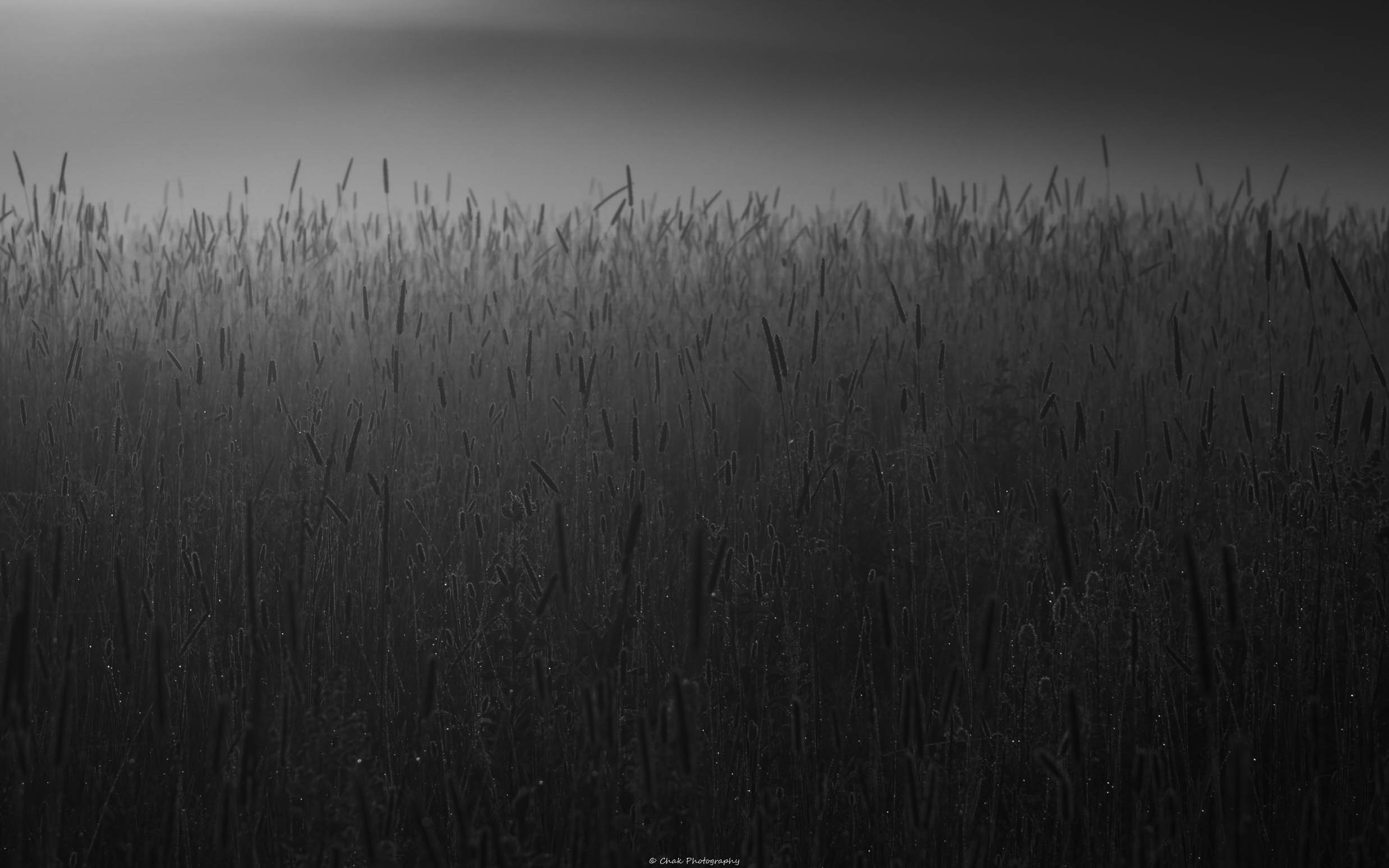 The farmlands, a source of livelihood for some residents, were doomed; all that remained was a sore to the eyes, and one that would soon make its presence more literal in the hungry bellies.
 Wildfires that started in the higher elevation soon led to rampant soil erosion and water runoff in the lowlands. The temporary yet sudden flooding downstream submerged the surrounding vegetation. Unable to adapt, many trees, already defeated by fire in the higher elevations, now acquiesced to the power of water in the low-lying areas.
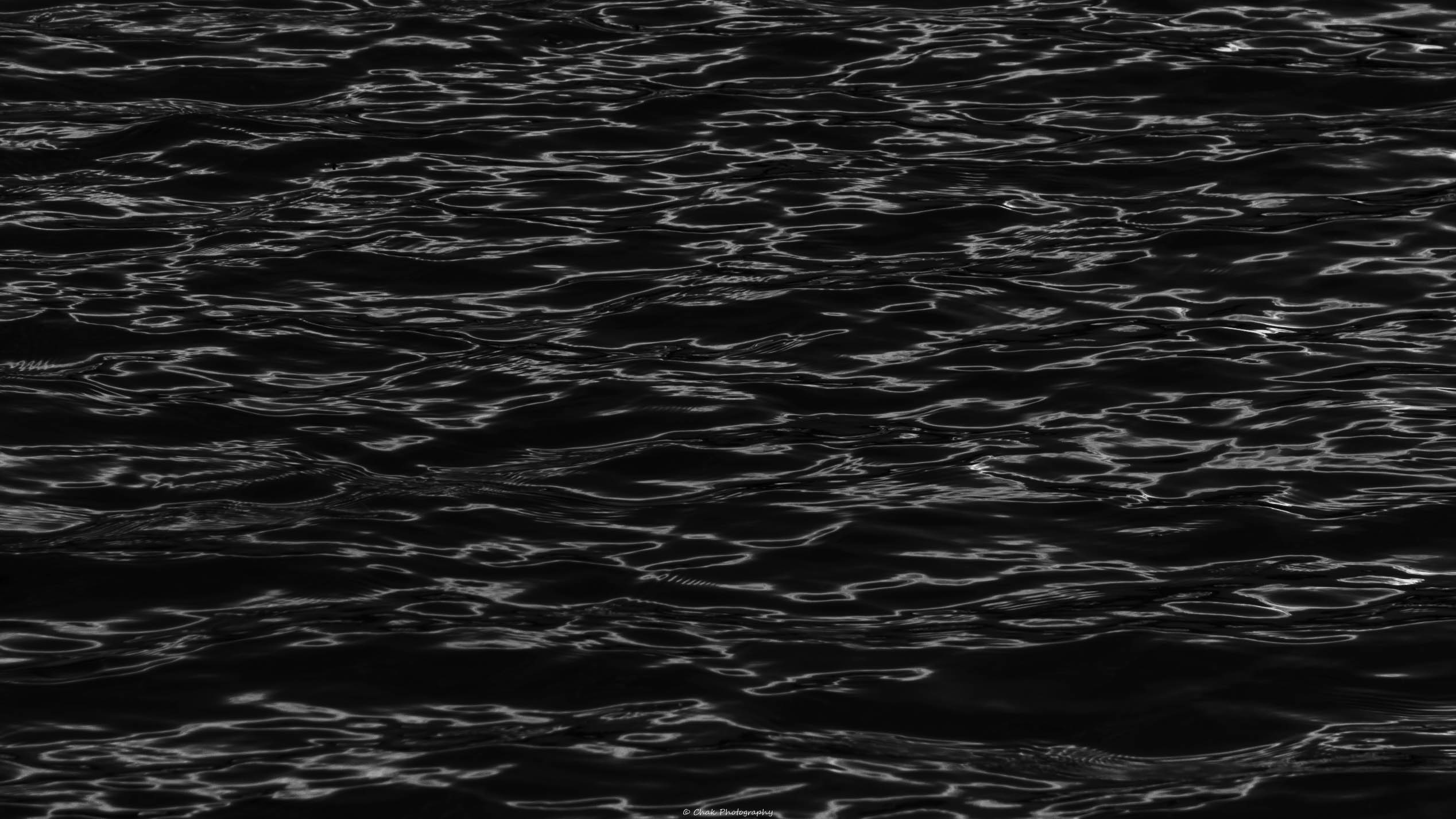 2068 A.D. The pristine rivers of the Adirondacks now move slowly, weighed down by the mud and decaying vegetation from the erosion of their banks. The Sun can be hardly seen anymore through the smoke, making the surface of these waters dark and foreboding.
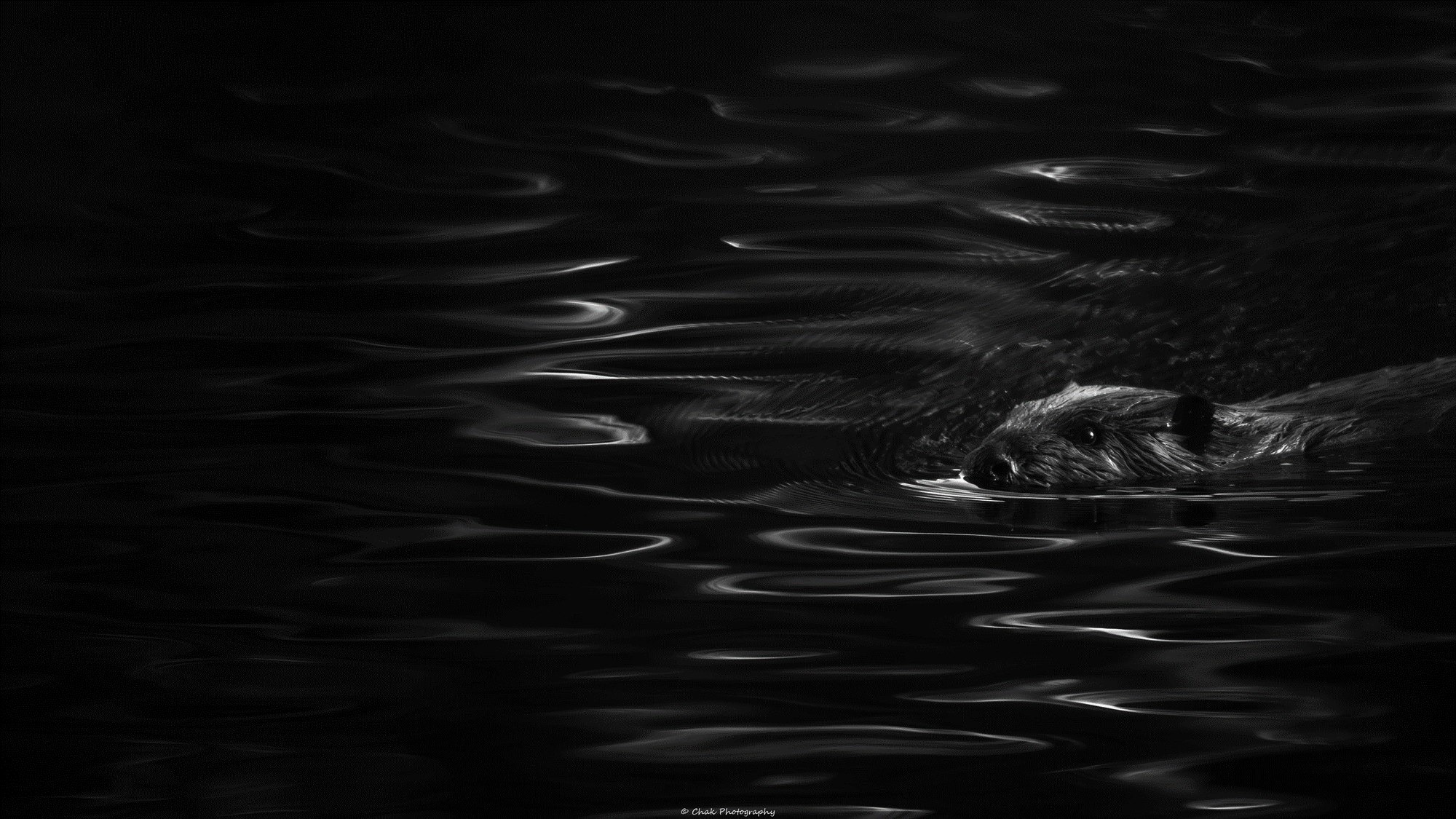 A lone beaver faces the flooding.
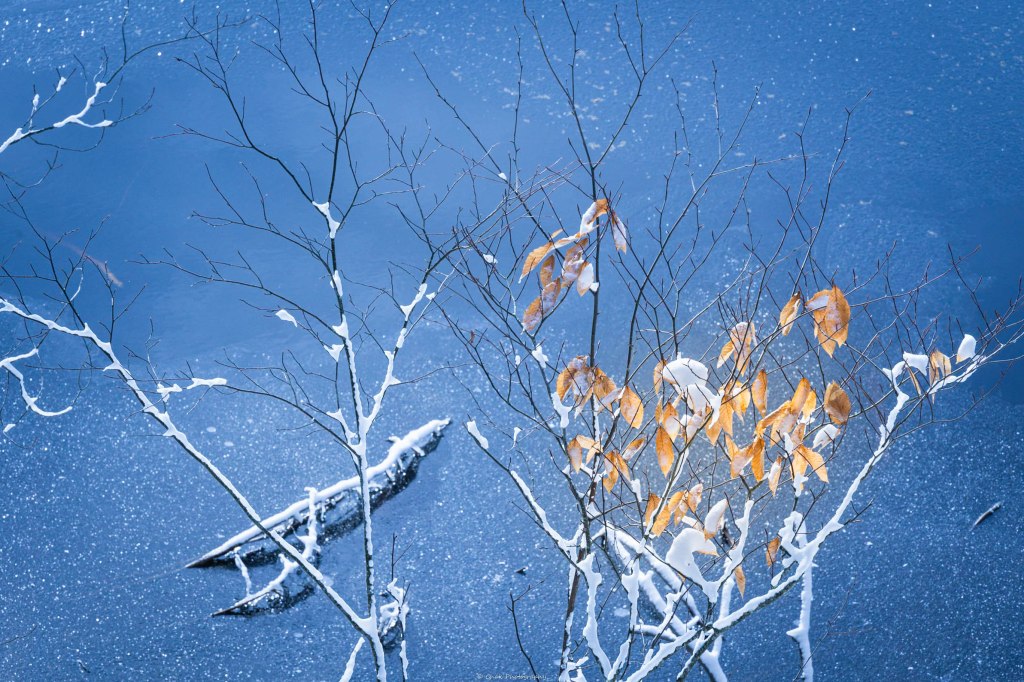
 In some shaded areas at the higher elevation, there are miniscule patches of snow. Under normal times, they would have melted into slush and mud, slowly making way for grass and wildflowers. Now, in the absence of light and warmth, these small patches are waiting indefinitely for resurrection.
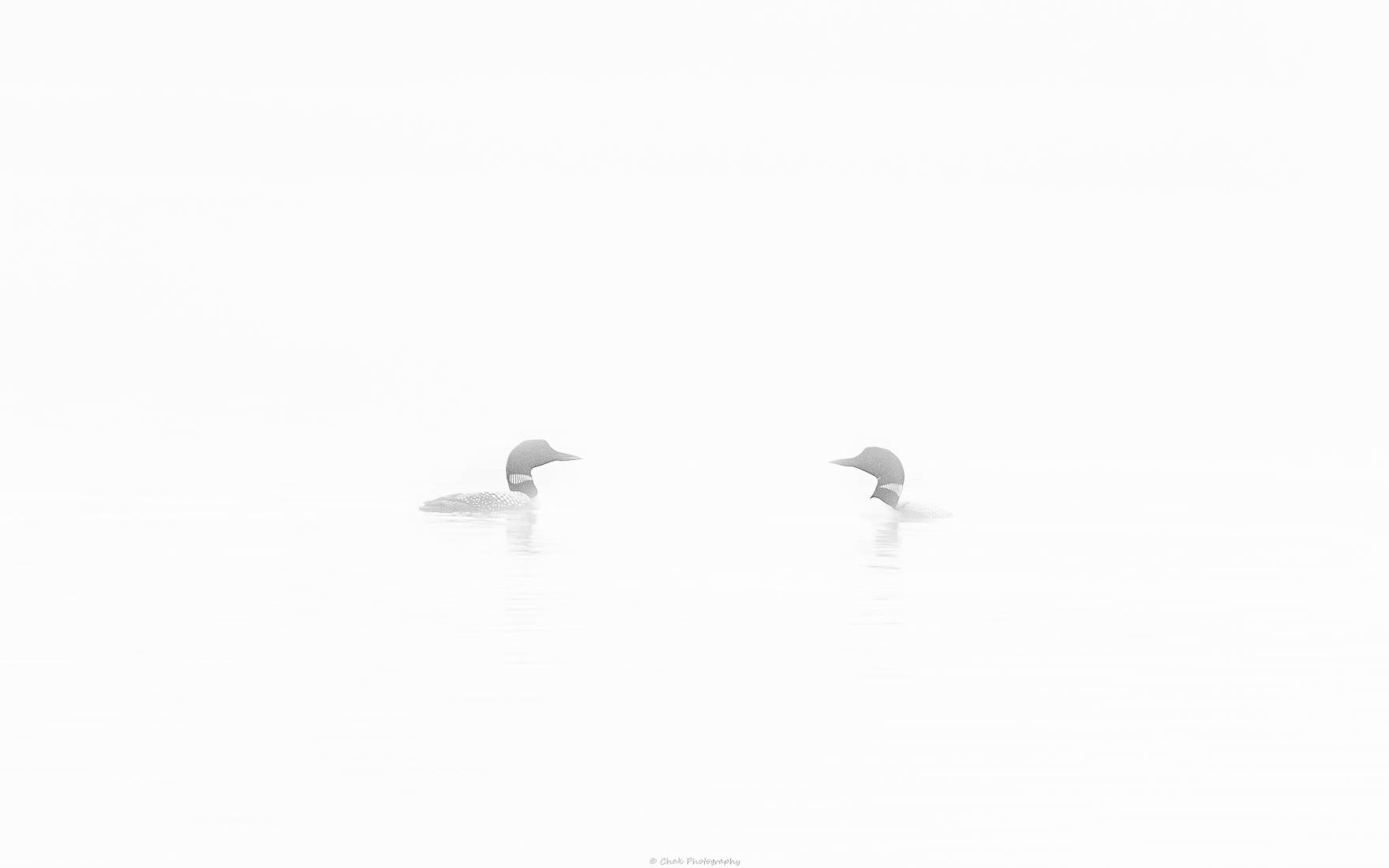 2070 A.D. The loons have completely shunned the Adirondacks. A few unfortunate ones that are trapped, unable to find their way back through the haze from the wildfires, are awaiting an inevitable fate.
 The watering hole that was once a favourite destination of the iconic moose is now undrinkable due to high concentrations of sulphates and iron oxides. Moose sightings were always rare in the Adirondacks and they are now believed to have been extinct from the area.
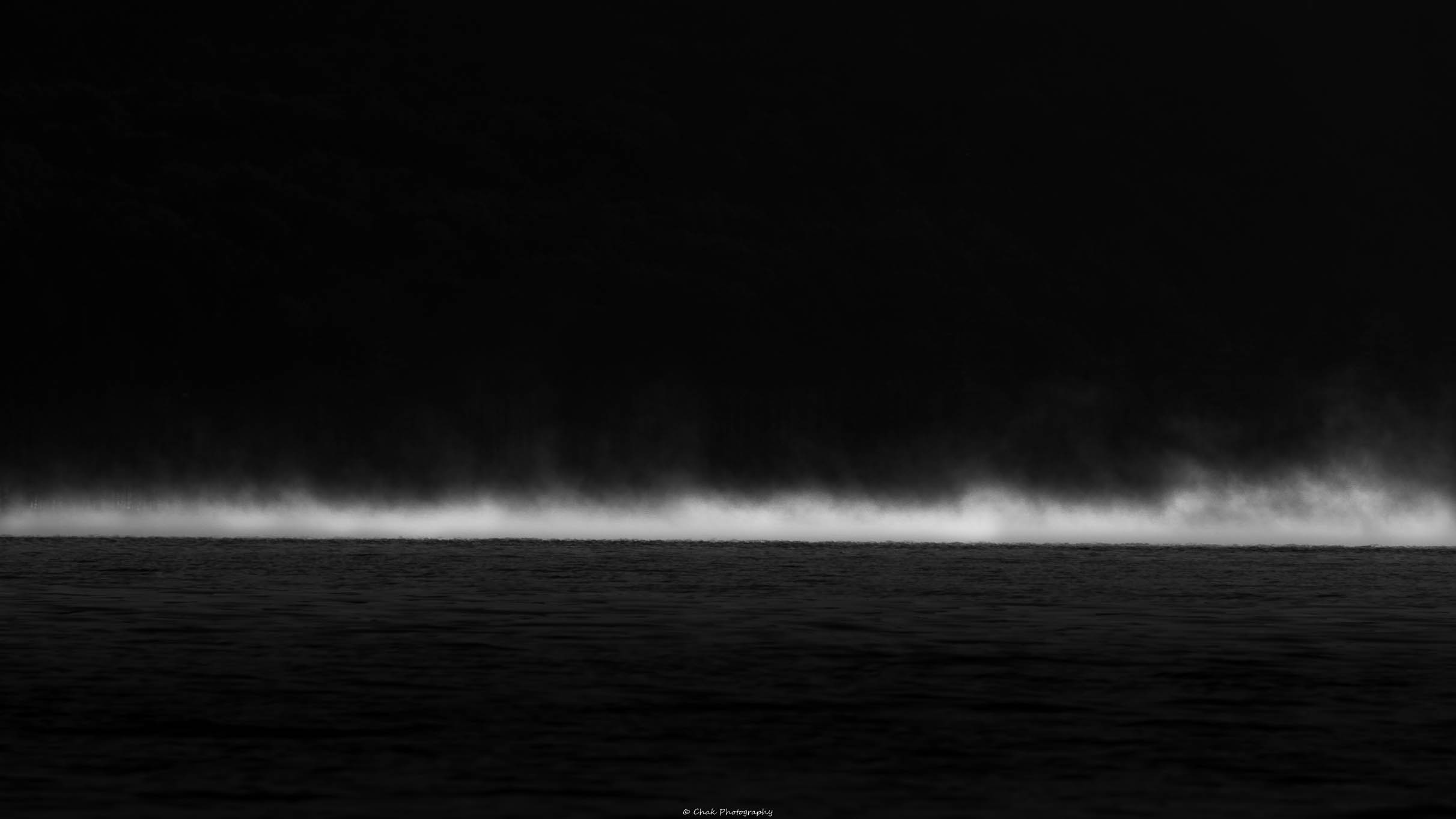 2071 A.D. After a period of continuous burning for ten years, the wildfires are finally starting to subside. After scorching through the entire forest preserve, it has run out of fuel. The thousands of miles of waterways also helped halt its progress, long after humans had evacuated the region and gave up the fight.
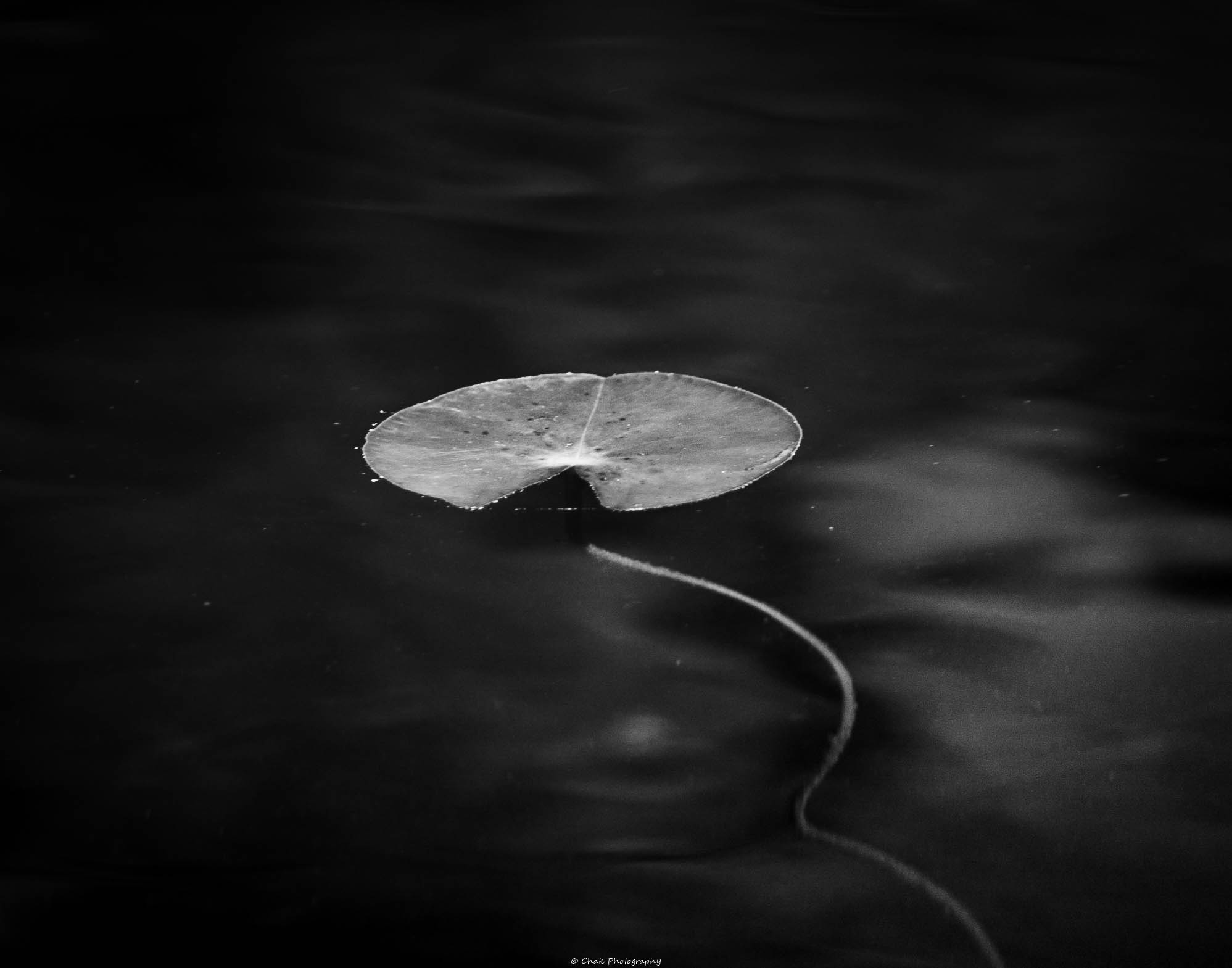 2101 A.D. A generation has grown up on rich stories of a place that was. Another generation has breathed their last with the dim hope of going back to add one last chapter to the story. But they were disappointed. As was the place with them.
 Musings from North country