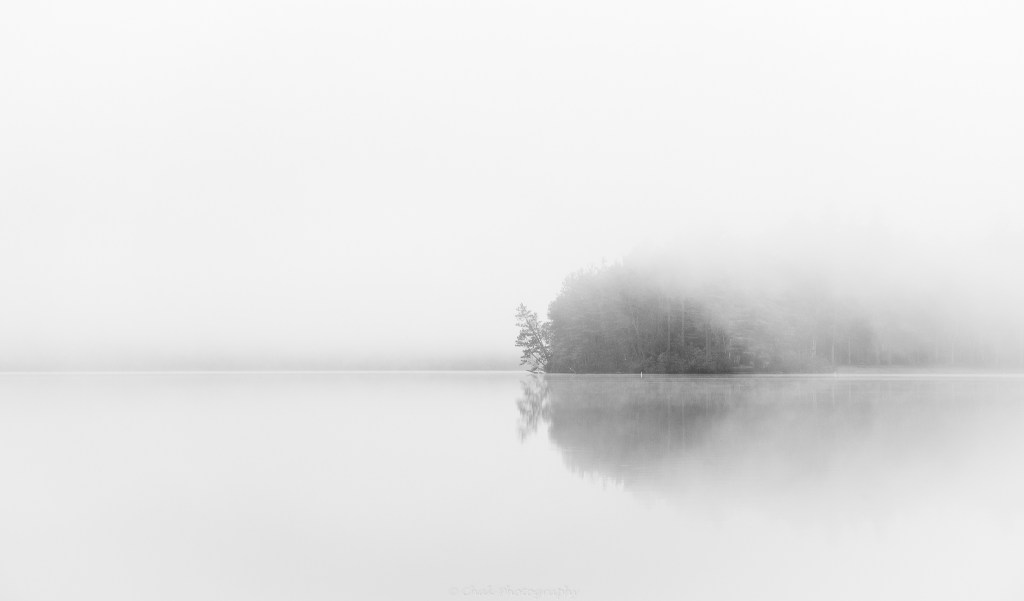


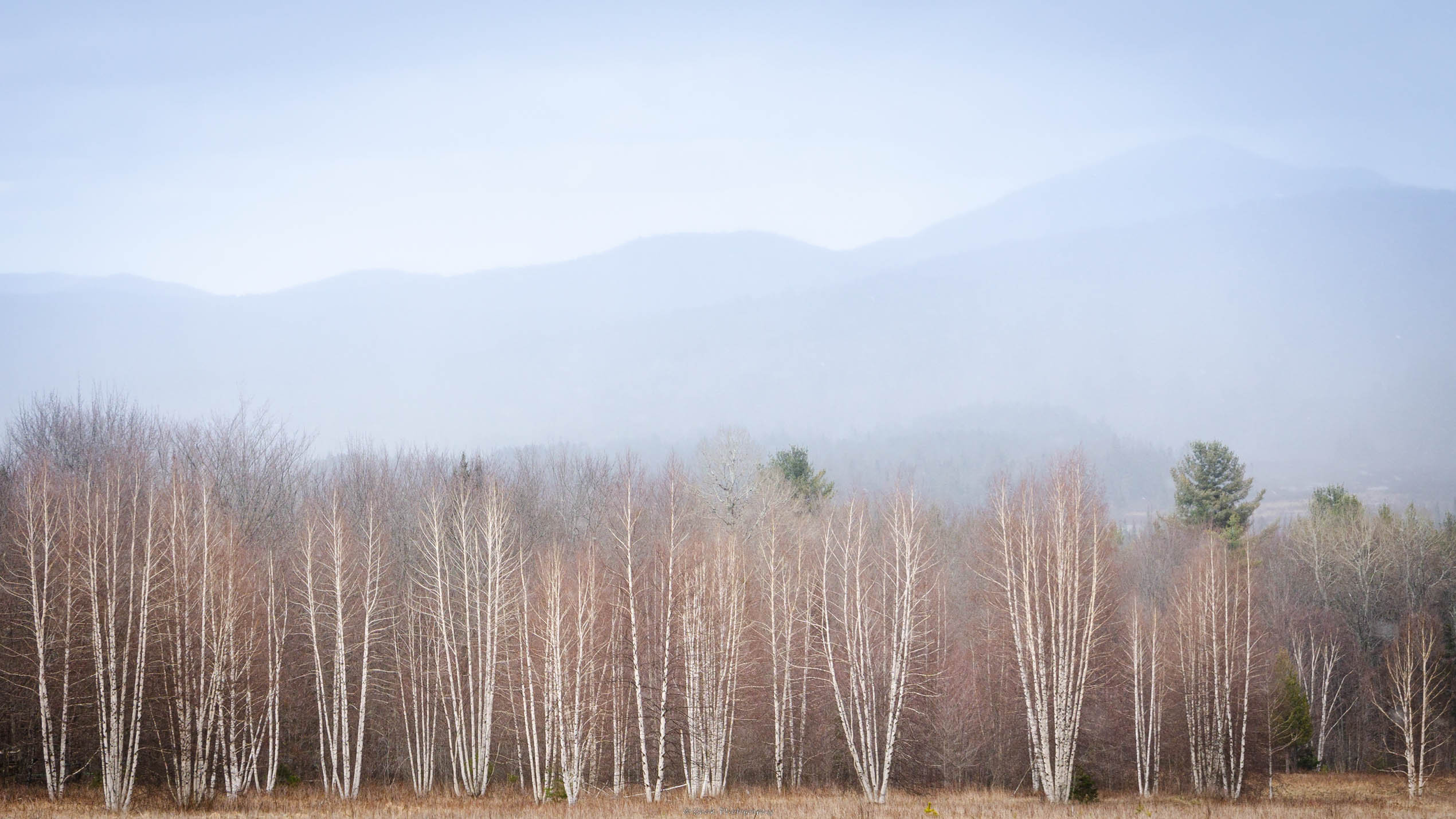

To be a Flower, is profound Responsibility1 – if that is true, then November is a land without law. I do not know if I am seeking November, or if I would like it. But since it is here, all I can do is place myself in its path. Maybe seeking is, after all, about something not sought after.
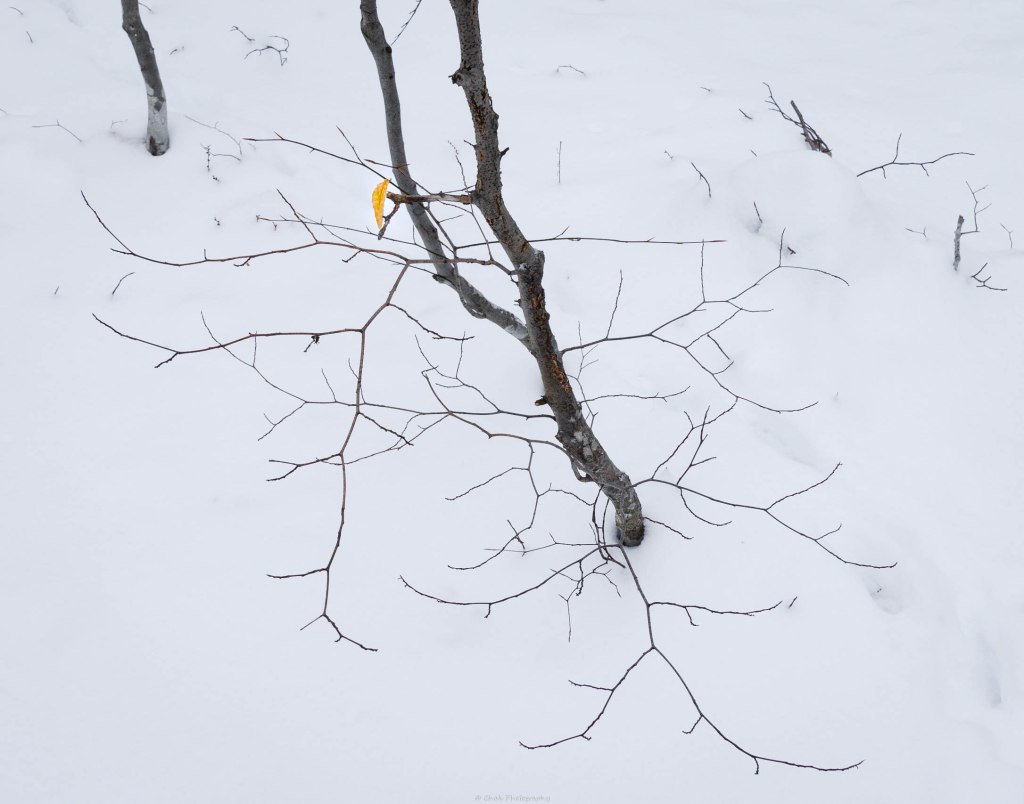
They say that the winter snow is like a blanket of kindness that drapes the barren landscape. November, with odd snow days, does not try to even out its edges. Like a holly leaf near the bottom of the plants developing spikes, November dissuades grazers. The tourists dissipate; the locals hibernate until the snow is good enough for skiing. At this time, when nothing happens, where the land neither cares, nor cures, maybe it is easier to insert myself.
I remember the time my father lost a tire in a marsh, and went back the next morning to find it: an ordinary day in an ordinary country- of little liberty and ample beauty. Here I am now, in another ordinary country, on another ordinary November day, losing myself in a marsh- and finding it, next morning. I see the last dodo that refused to see fear in a handful of dust2. I see Thomas Roe lowering his anchor in Surat. I see the dwindling lights of Samarkand, the burning ghats of Banaras. I see the retreat of the tundra, and the victory of the algae.
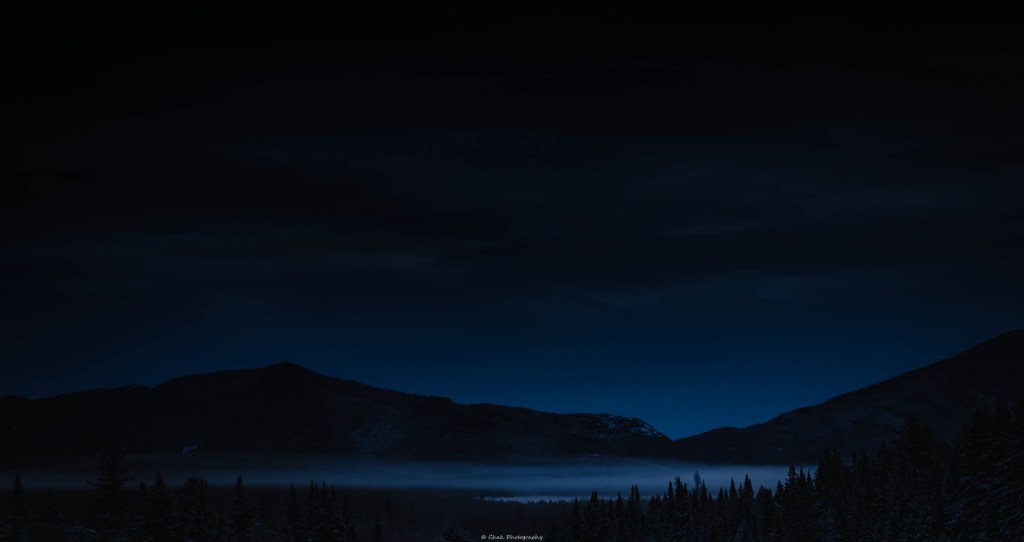
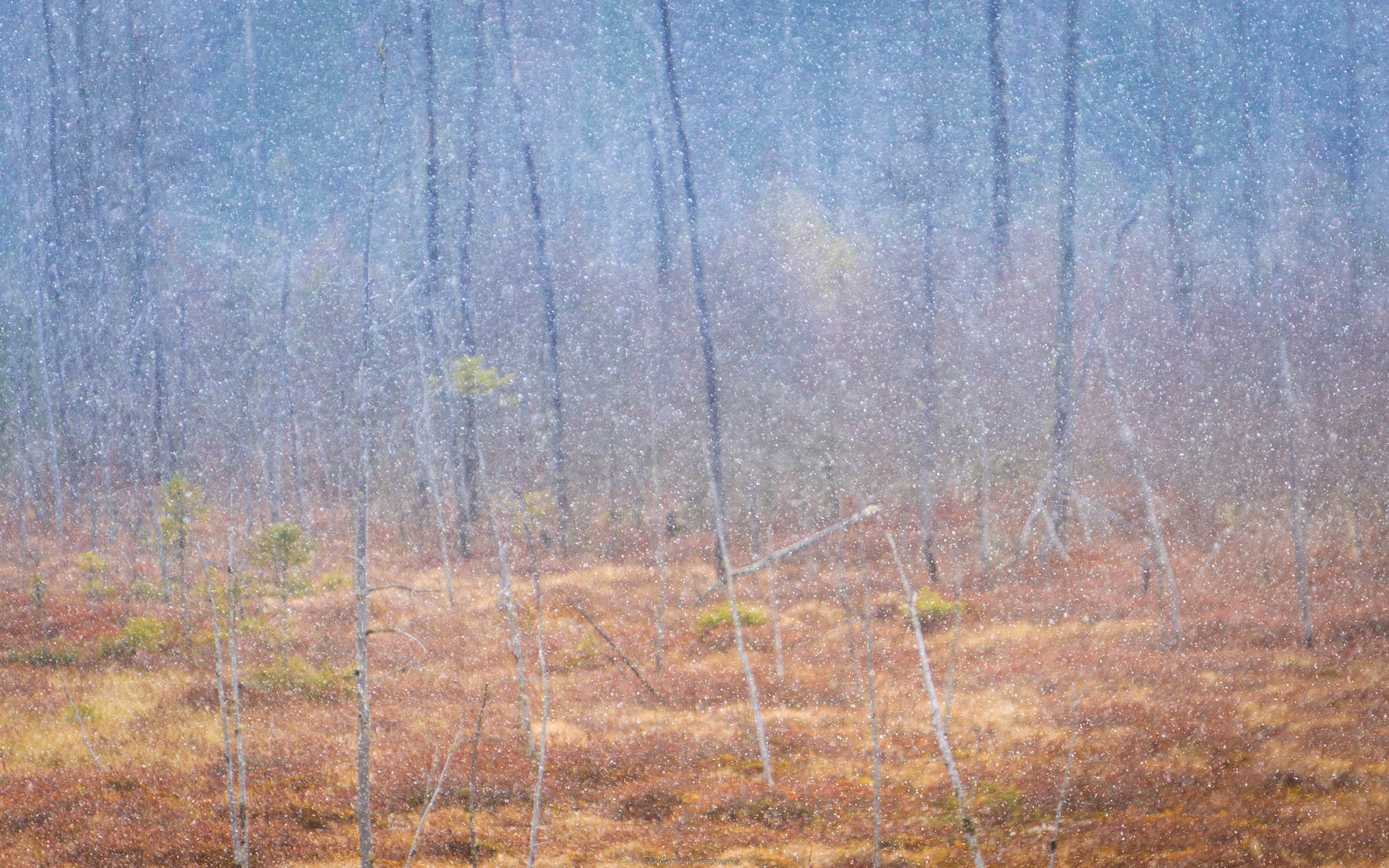
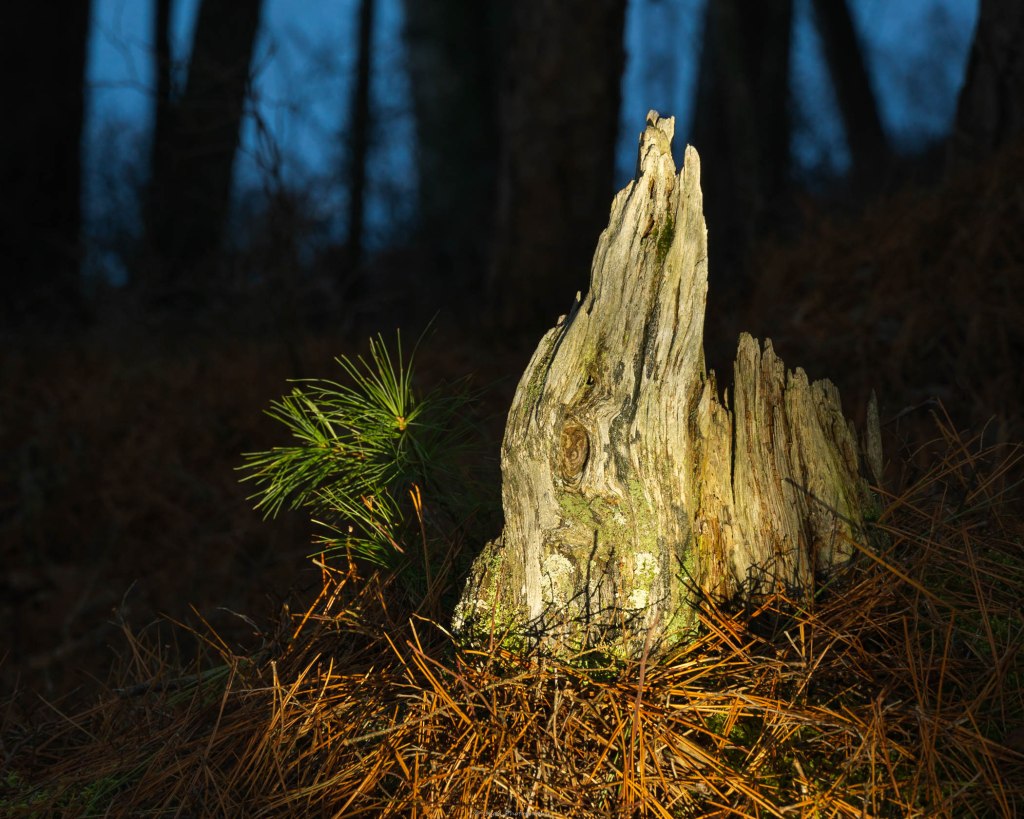
As a light snow falls on this November night- I think of the little rights remaining, and the ample beauty still left: where continuity stands in the way of liberation, it is inevitable that a pine sapling takes foothold in the murky memory of spruce and leatherleaf and tamaracks and rose pogonias.
If all is stardust, why should one be better than another?
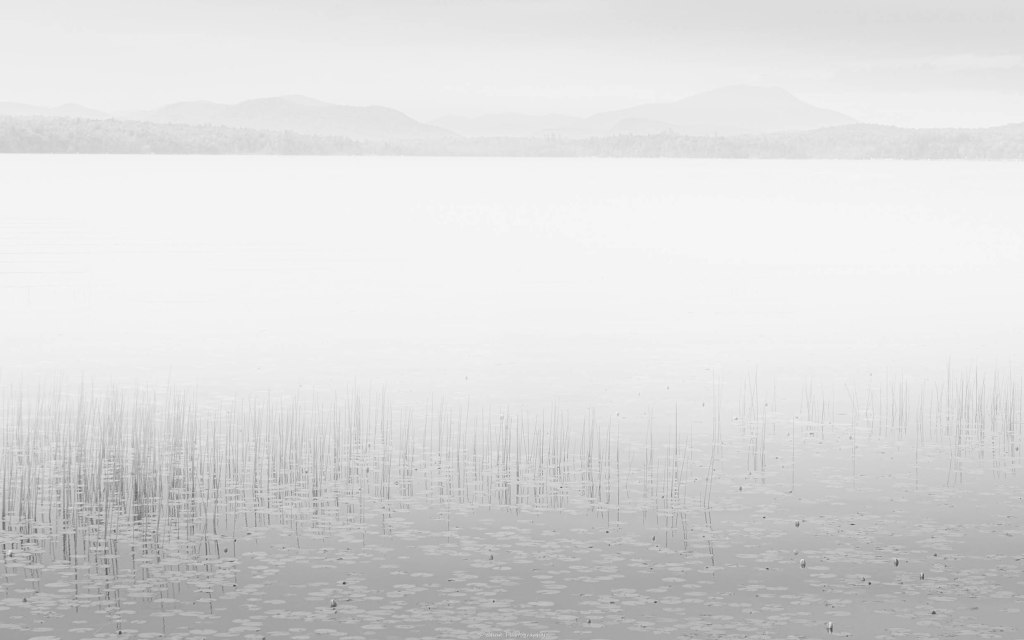
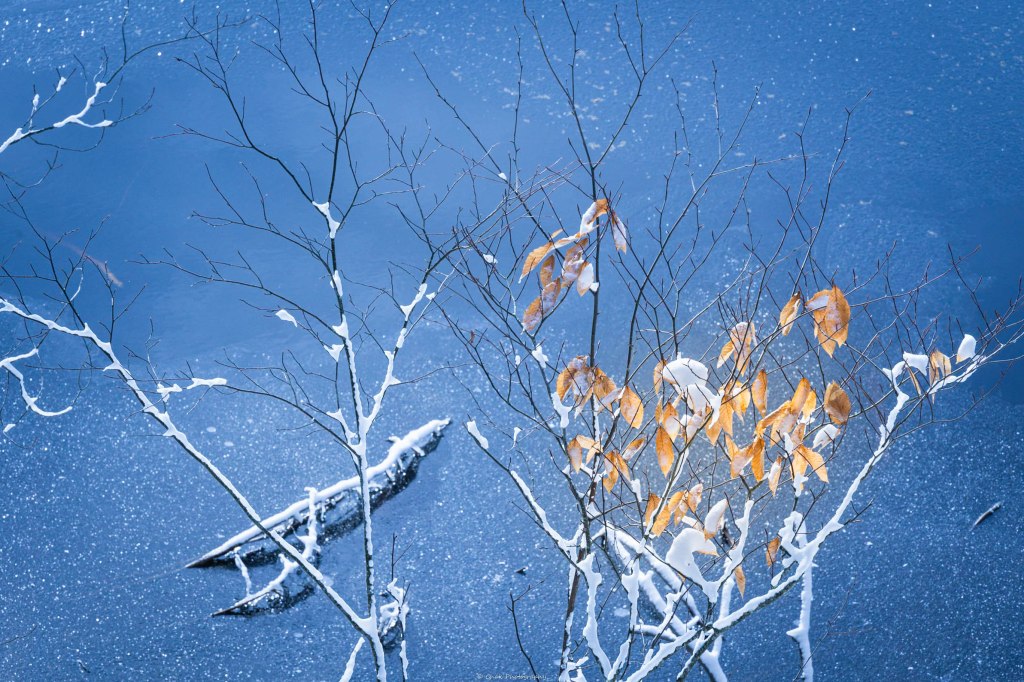
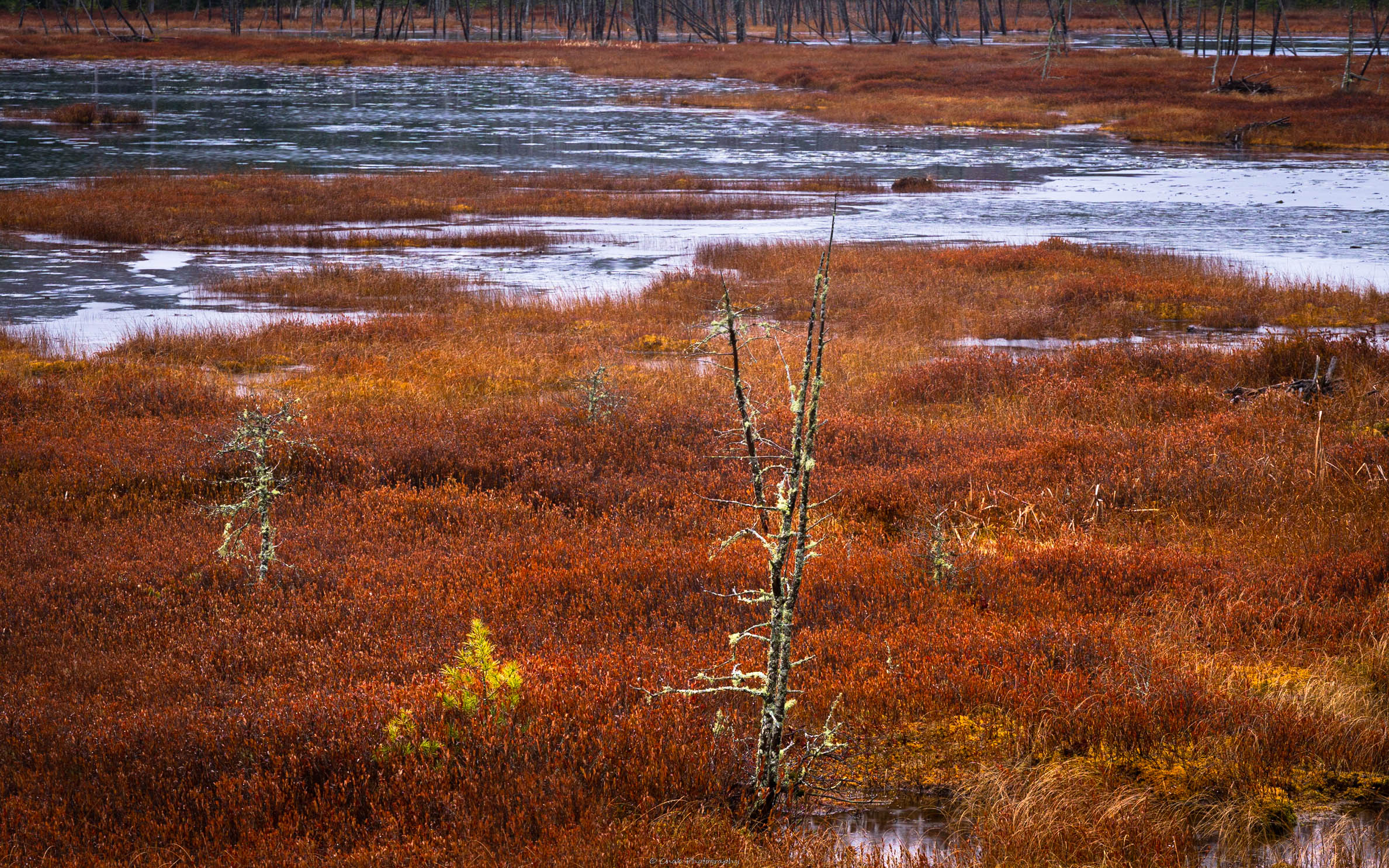
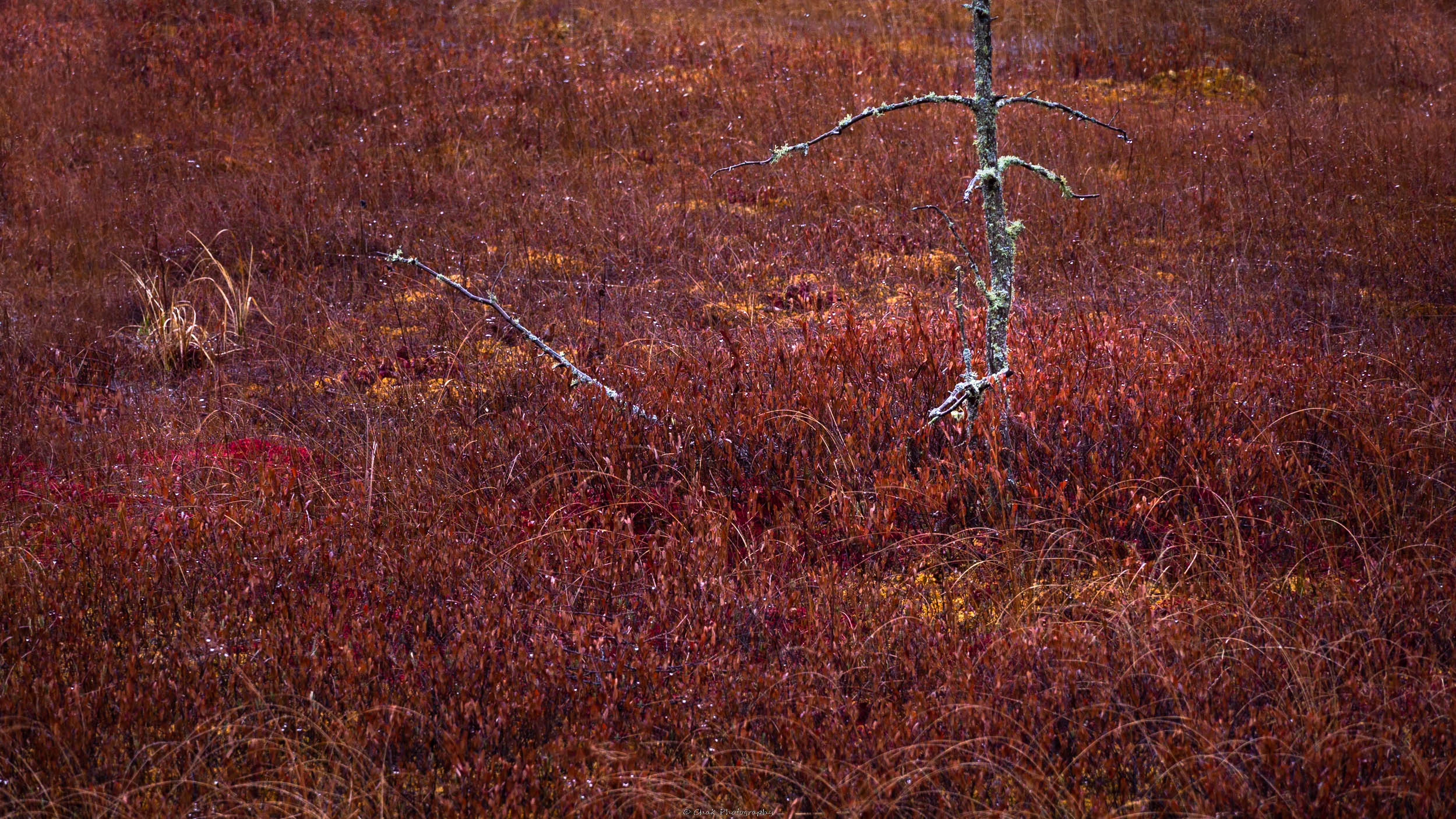
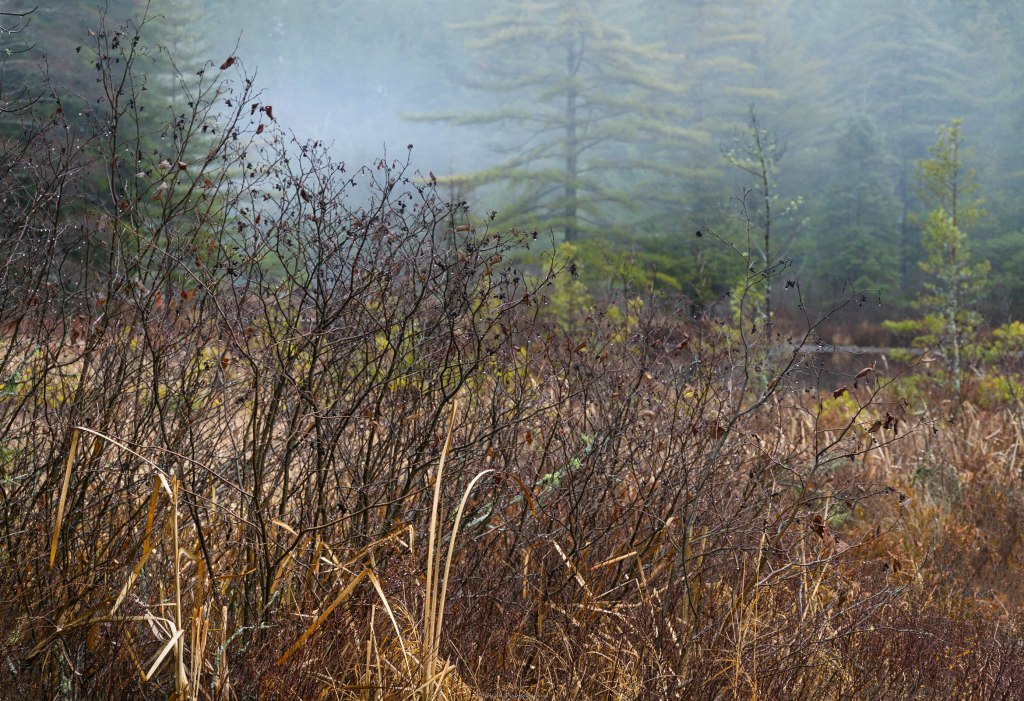
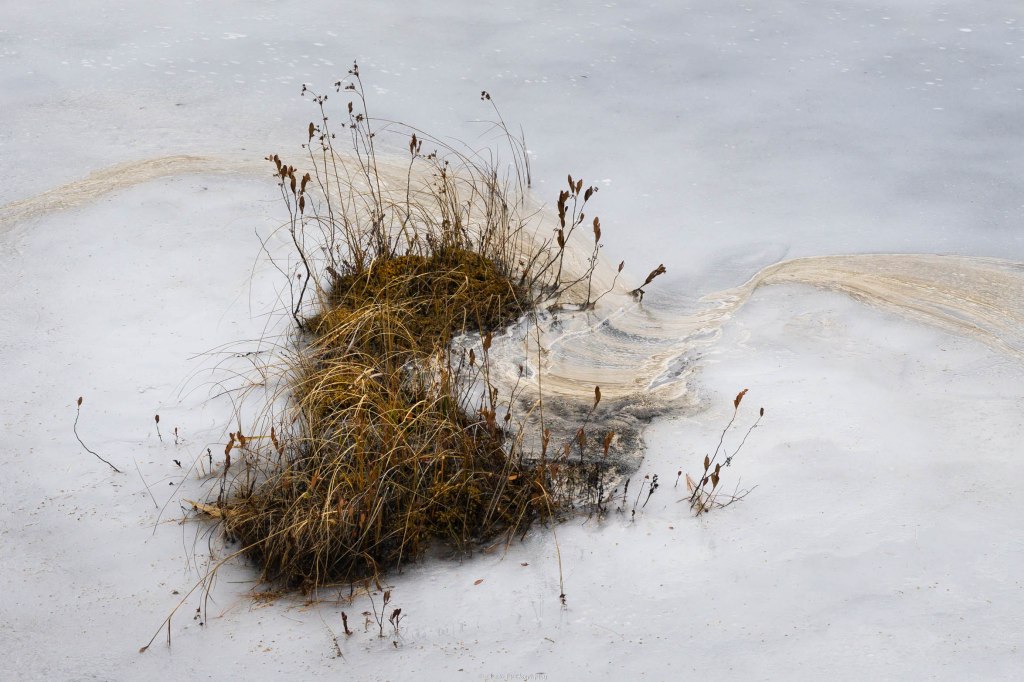
It is in this great leveller of seasons – with no flowers to sanctify, no black flies to vilify; in the browning heath, and a slightly frosted sedge, the indecisive hardening of sphagnum, anxious footprints of a coyote in the sudden thaw-lines in a slowly freezing lake, the tanning of the grass by the water’s edge, the bare aspens, the barely clinging beech leaves, the grey November light, unimpeded by greenery, walking deeper into the blood- clotted landscape- that rights and kinship, sans ownership, sans privilege, is facilitated.
In this light, at this time of the year, I can read the landscape better. And contribute a verse3.
I wait for one infinity
in the cold and bleak.
-with my black dog4
It is amazing how easy that is to do.
The leaves go first.
and then the shade
and then the loons
and then the sunshine
finally, it is November.
Telling it like it is- without the rage of monsoon, or the softness
of autumn.
without the-
summer fruit, or the spring flowers;
when the snow is not yet deep, and there are no promises to keep.
November slips in
as if nothing ever happened.
I have been to the brothel of Autumn
and bartered beauty in maples
I saw your world,
and held your light-
until I plucked warm stars
out of the moonless November sky
and pinned them
to the tamaracks
I see you now. I see you now.
I walk in your shadow.
Here is the secret of the seasons-
where the river has died
and the black dog and I need to hide
there is not enough light.
there is not enough night.
-for all that is brown and living,
November offers nothing.
The first lover, and the last empire
had their share-
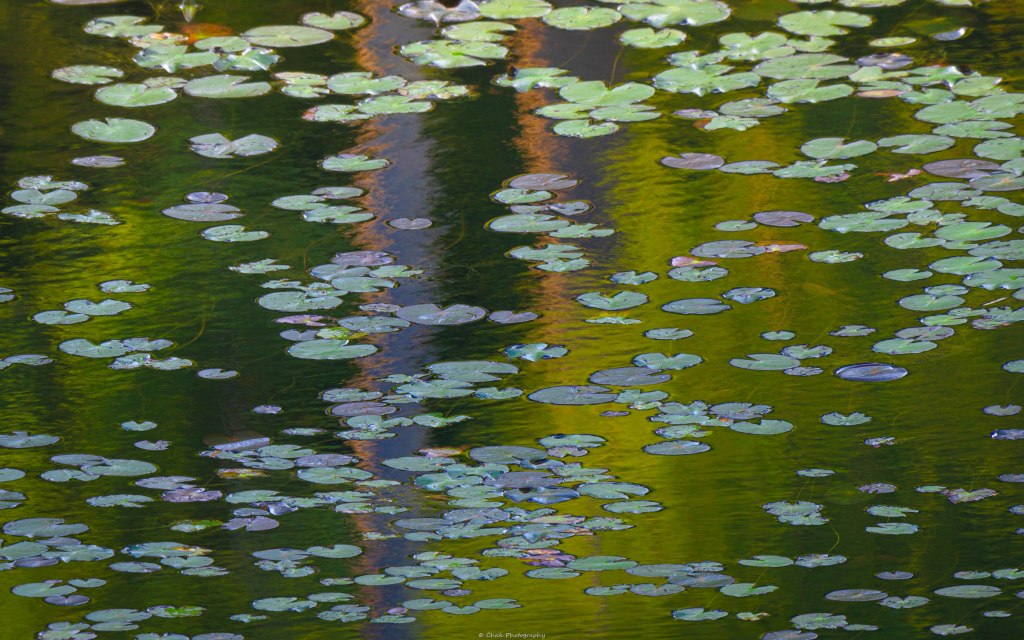
now it is time, for the brown lilypad
to summon you.
into this unholy peatland.
all night long, this November light
carries the Brown’s burden
The peaceful poems of the savage5
there is beauty in the aftermath of the war,
where the worst is over,
and the best is best–
kept at bay.
there, you can hold-
the empty purpose, just you
and the world-
ending the world.
and then I wait
for one more infinity
-with my black dog4






References
- Bloom by Emily Dickinson
- The Waste Land by T.S. Eliot
- O Me! O Life! by Walt Whitman
- Mahabharata
- The White Man’s Burden by Rudyard Kipling