This is an important question for me. And I am writing down the answer here primarily for myself.
I live in the Adirondacks because I can. Not everybody can.
Making a living here needs a certain amount of grit, and a great deal of privilege. Many, if not all, focus only on the former, while downplaying the latter.
Weather is harsh for most of the year, employment opportunities are scarce and niche, and there is not much in the way of recreation unless you love being outdoors.
As for privilege, both racial and generational, plays a huge role. While this essay is not the place to expand on the topic, one easy marker of that privilege is the denial by the very ones who benefit from it.
I have found that most people want to live in their comfort zones forever. The best they do is make their comfort zone bigger, maybe prevent it from becoming a bubble, but very few actually want to break free. That is why most Indians (I am speaking only about my nationality by birth) find their own communities, in metropolises and/or university-centric towns. With the familiar comfort of good food and communication in mother tongue, comes the gossip, racial bias and moral superiority, and traditional measures of financial success.
I think that Indian food is the best in the world. I am proud that Bangla is my native language. I enjoy the occasional gossip. Dare I say that I do feel foolishly morally superior about certain positions in my life. And yes, I also have some intrinsic racial bias. I constantly work on the last two aspects to better myself. Although, in exchange, I must say that Indian food is the absolute best. No arguments there!
I am privileged to have been born an upper-caste in India. And even though life was not without financial struggles, I received a good education that catapulted a journey of nine thousand miles.
But that is not all.
I live in the Adirondacks because I read. I live here because I read Chander Pahar*. And then all that Bibhutibhushan Bandopadhyay* wrote. He could see farther than all: even without travelling to foreign lands, during an era before the internet. But I am a mere mortal and I had to go witness a glimpse of the wild for myself.
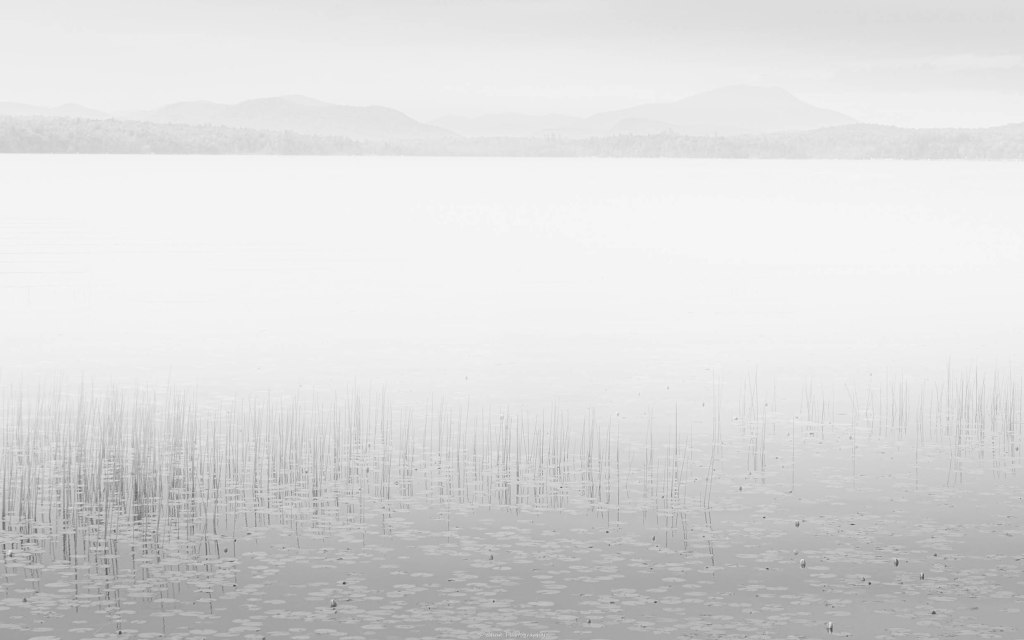
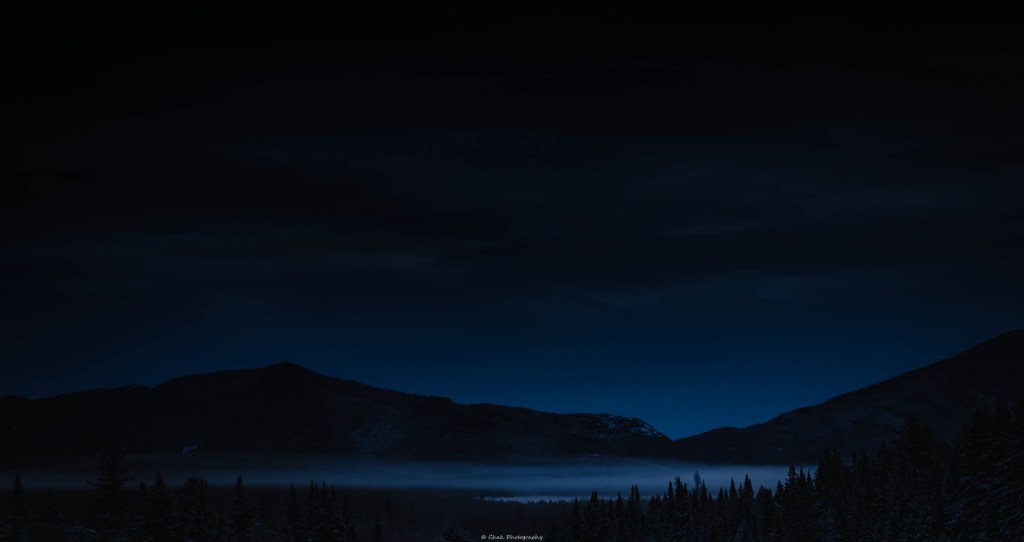
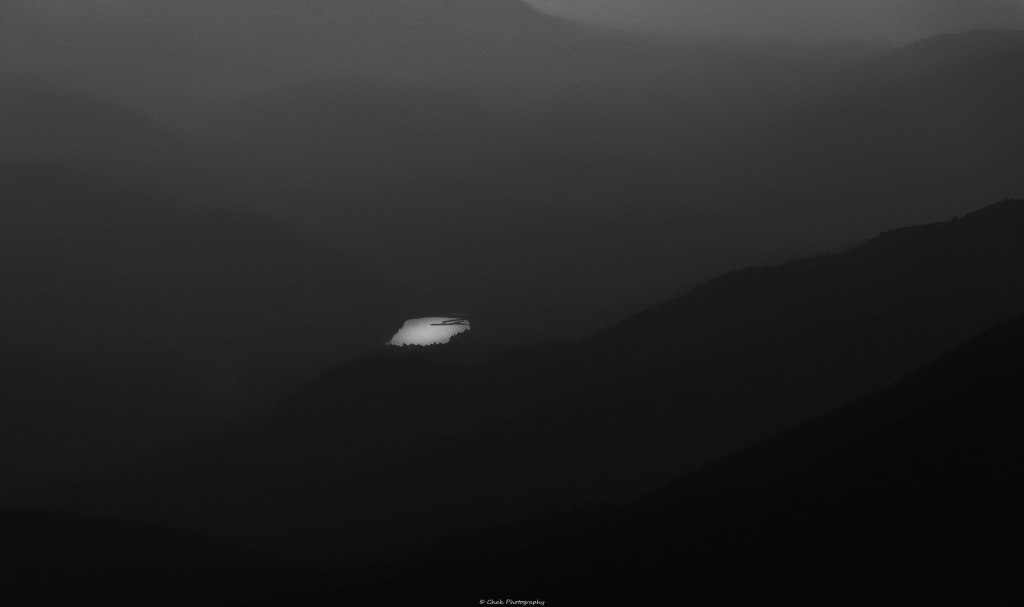
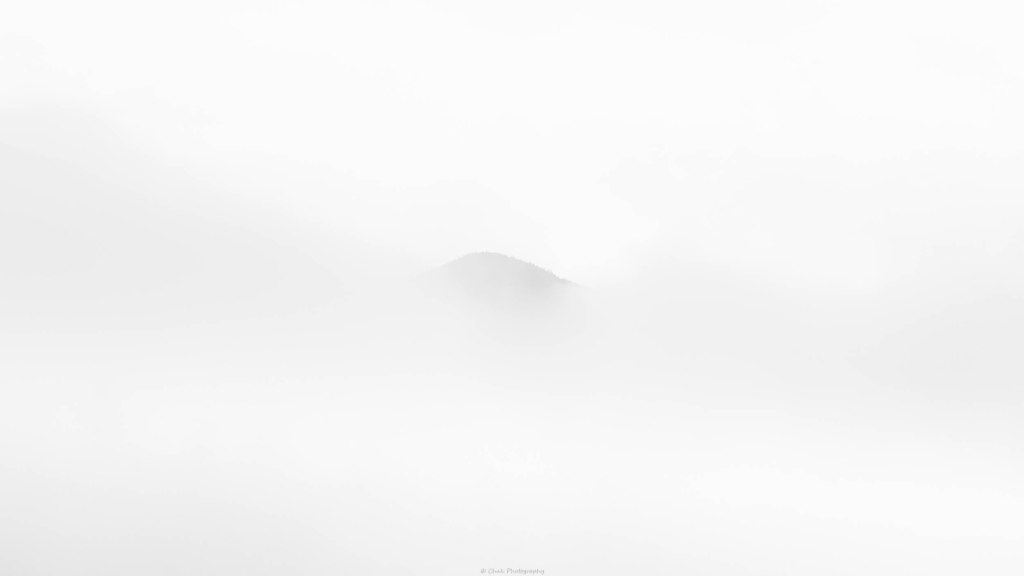
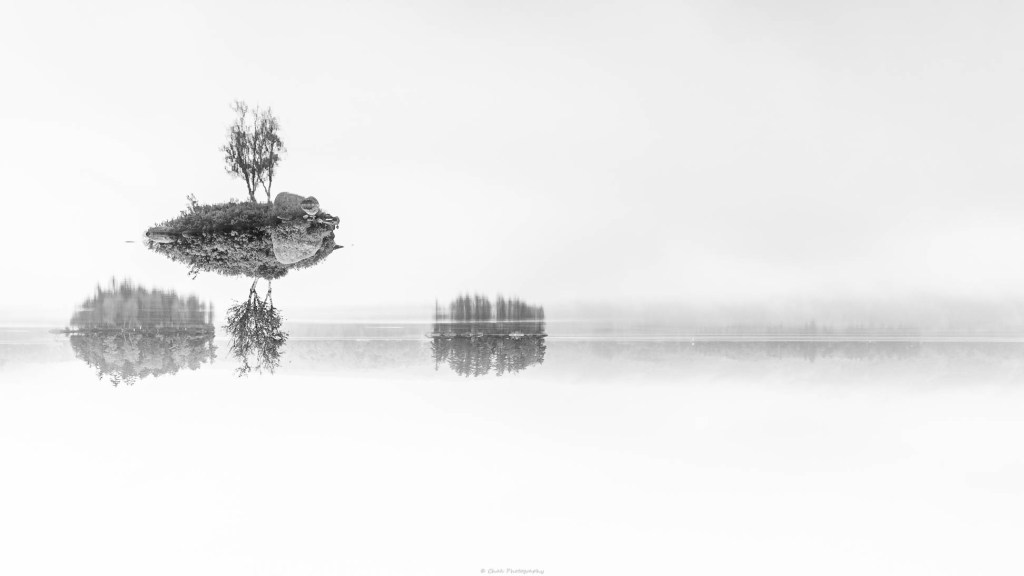
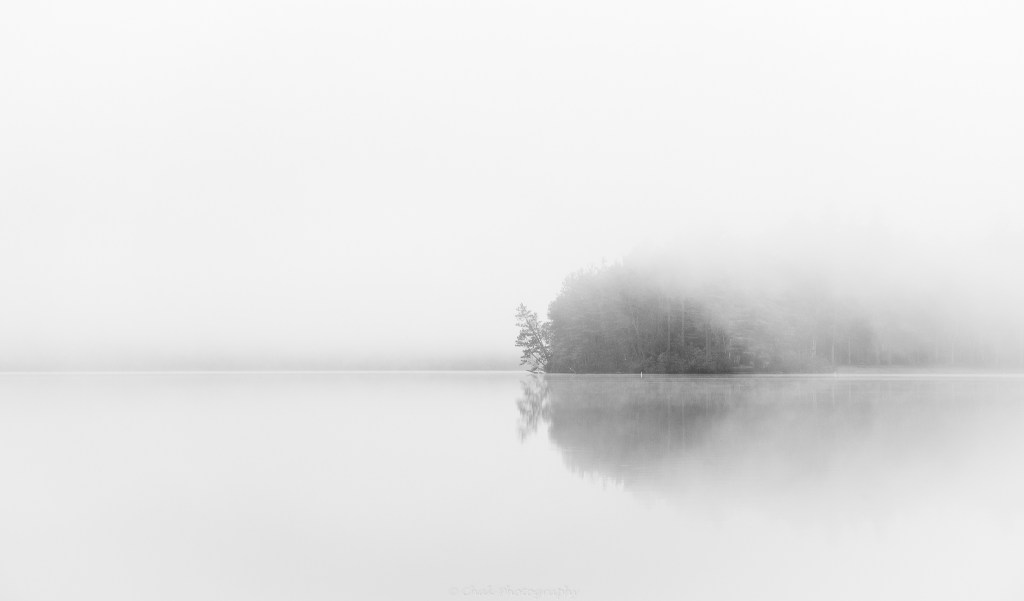
I live in the Adirondacks because I had to see a place where the mist plays truant with the landscape.
And soon seeing was not enough. I had to know how the light touches the mountain.
I had to live in the mountains. I had to touch the light.
I live in the Adirondacks because a foggy morning and a dead pine is more important to me than a festive gathering and lifeless conversations.
I live in the Adirondacks because I love the mud and bog. I live here because I did not play in the dirt enough as a child.
I live in the Adirondacks because I seriously studied Chemistry for as long as I could. I knew Antoine Lavoisier decades before Adirondack Murray. I live here because I can barter reaction mechanisms for paddles under the full moon.
I live in the Adirondacks because I was given a film camera in my high school. I could not afford to spend on such ‘frivolous pursuits’ then. I can afford it now. But it is not necessary anymore.
I live in the Adirondacks because my teacher asked me to write. And I did not for many years. But it is necessary for me now that I write.
I live in the Adirondacks because I read the White Fang. And I wanted to experience a place through a dear animal. I live here because I did not grow up with a pet.
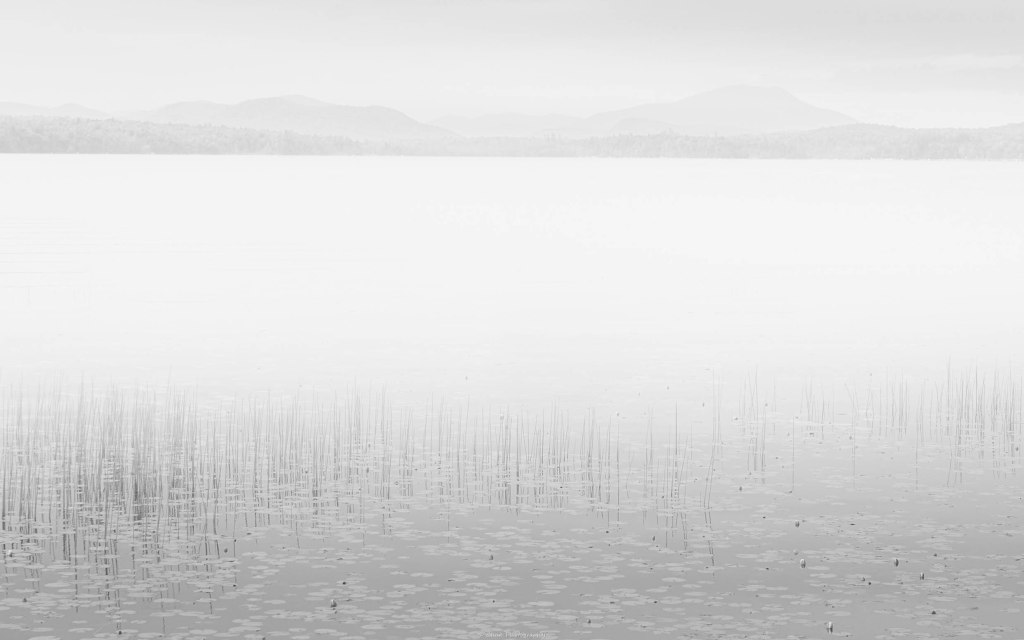
I live in the Adirondacks because how else would I have known that a beaver can chase you while you are studying a lilypad.
I still do not know why the chicken crossed the road. But now I know why the salamander crossed the road.
I live in the Adirondacks because here I have come closer to myself than ever before.
I live in the Adirondacks because all returns to dust.
I live in the Adirondacks because I want to live.
(on Earth Day of 2022, an inquiry into my shelter in one corner of the earth)
“Right now is good, and that’s all that matters.” – Guy Tal
This is the place- where a rebel finds peace, an outlaw becomes a poet. The mist rises, and the dust settles. Here, storms and sorrow, laughter and mountains mingle into one another. This is a place where you can watch the grass grow. And the valley is greener on your side. If you know of such a place, hold it dear. Bring your ears to the ground, listen to it whisper. You will change in a blink, and so will the place, in a few more. But for this moment in time, under this one sun, this place and you will command the language of the heavens.
The mist here is more mystical than mysterious, unsure of destination, but welcoming of the journey. Not all can be known but much can be understood. Not everything can survive but all can live. And while there is no promise of eternity, this place preserves the sweetness in death.
This place tells a story beyond words and images, historical data and climate records, provable facts and documented knowledge. Your feet can only cover so much ground. But the mind can wander where footsteps cannot reach, imagination can complete the experience when memory has reached its limits. Ancient texts and scriptures promise you peace and prosperity, the ancients of this place grant you struggle and imagination.
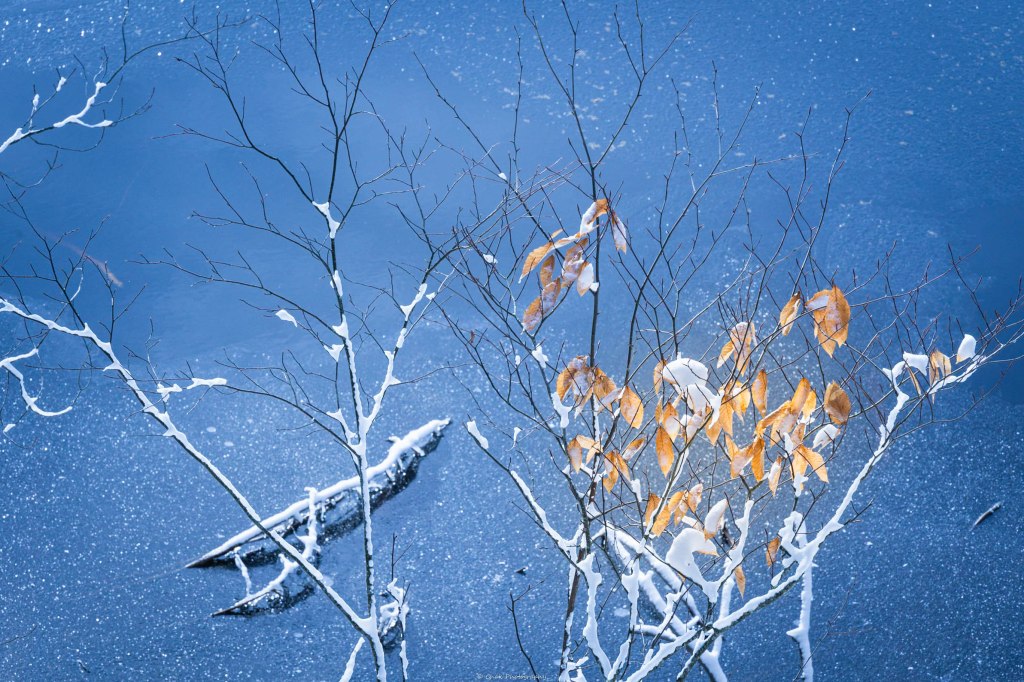
Here, snow and ice, melting grays and freezing yellows, write a ballad and an elegy in the same breath. Every pause is a preparation, every cause is a rebellion, all in the act of carrying out the most magically mundane things.
Here, the sun is wantonly indiscriminate, disseminating light like the wisdom of an ancient sage. The bejeweled maple is no more privileged than the lifeless pine. And where there is no privilege, therein lies my pilgrimage.
If you do take the time, this place can offer it in things that are magnificently insignificant. In long and hushed goodbyes, as if farewell and funeral overlapping into one another. An exuberant hibernation, a jumbled mess of marcescence and photosynthesis.
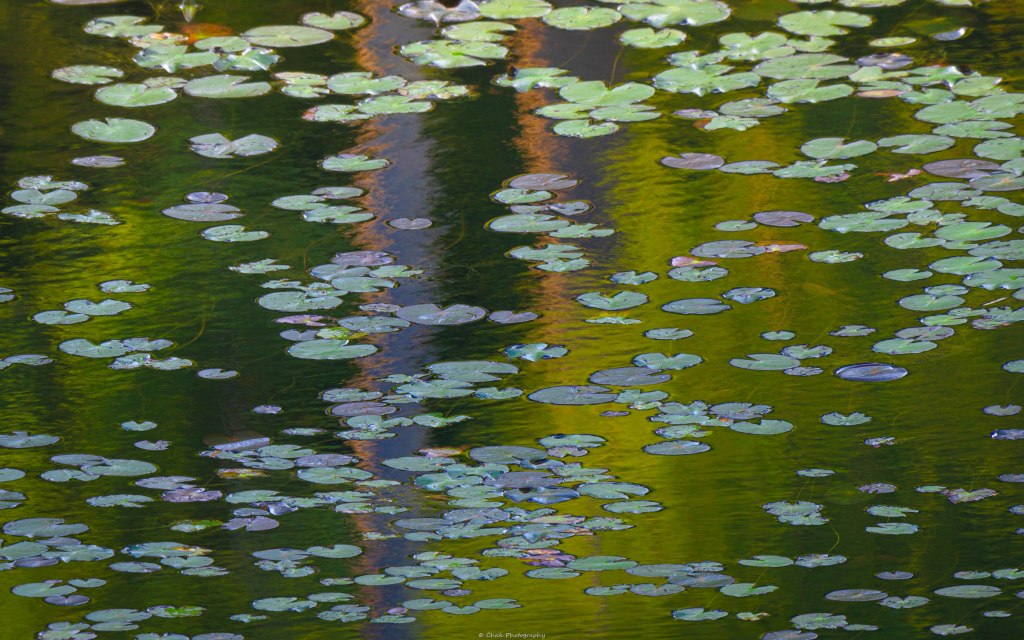
The soft lilies, the tender birches, the quiet lakes, are all intimations of intimacy, of immortality. Here a speck of green, there a touch of the blue, everywhere a glimmer of yellow- a child frolicking with a kaleidoscope, intimations of nothingness conspiring to be held by you. Yes, such a place needs to be held by you.
There you see tamaracks, standing amidst dead white pines, that have turned before their time, possibly due to change in water levels from beaver activity. They too will soon follow the way of the white pines, but not before one last hurrah! After all, “what is death but a long and vivid holiday”.
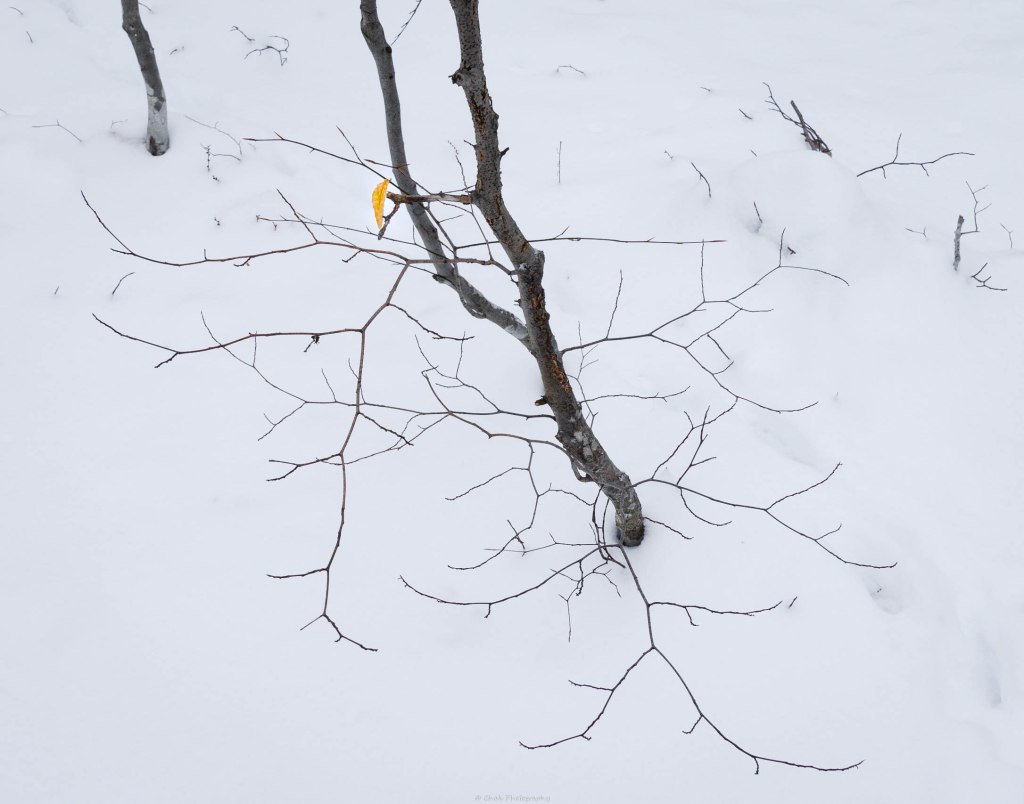
The more you know a place, the more unfamiliar it becomes by revealing its familiarity. And the more you explore, the more familiar it becomes by revealing its unfamiliarity. You see Fourteen Yellow Leaves. One by one, they too will say their goodbyes soon. But now you know each of them, more intimately than before, better than when the whole tree was bedecked with peak foliage. And the farewell will be that much sweeter.
And soon all that will be left, is but a vivid reminder of what it was, and what it could be. And what always is, only if you are not looking for it. In this country, do not set goals, do not settle for something so trivial: you will achieve exactly that goal while missing the many wonders along the way. Let your work be on the sand and stars, let your self dissipate with the wind.
You were lost. You are here. You will not last. But you will not be lost.
(In a fortuitous turn of events, albeit with risks and conscious decision-making, I have been able to live and work in the Adirondack mountains since the summer of 2021. All the above images and words have been a quiet outpour of living and experiencing this place with increasing immersion.
With heartfelt thanks to Guy Tal, whose work and life has been an inspiration to pursue artistic independence and authenticity. You can find more of his work here- https://guytal.com/ .
And deep gratitude to Suvro Sir, whose life and teachings have enlightened me in every step of the way. The quote- “What is death but a long and vivid holiday.” from the poem Swimmers by Louis Untermeyer is just one example of what I remember because this person uttered these words in the most captivating way in English lessons, thousands of miles away and more than a decade ago. You can find some of his writings here- https://suvrobemused.blogspot.com/ .)
“The fault, dear Brutus, is not in our stars, but in ourselves, for we are underlings.”
– Julius Caesar (Shakespeare)
PSYCHOGENETICS – Maurice Wilkins, using nonbiochemical concepts, has defined Psychogenetics to be that branch of evolutionary genetics which deals with the reactions of human genomics to fixed evolutionary and environmental stimuli. Implicit in all these definitions the assumption that the human genome being dealt with is sufficiently large for valid statistical treatment. The necessary size of such a genome may be determined by Franklin’s First Theorem which …..a further necessary assumption is that human conglomerate be itself aware of Psychogenetic analysis in order that its reactions be truly harmless. The basis of all valid Psychogenetics lies in the development of the Foundation alleles which exhibit properties congruent to those of such evolutionary and environmental forces as …
…
Q. Let me suggest that you intend to claim that a period of time preceding the so-called ruin of Earth will be filled with unrest of various types.
A. That is correct.
Q. And that by the mere prediction thereof, you hope to bring it about, and to have then an army of a hundred thousand available.
A. In the first place, that is not so. And if it were, investigation will show you that barely ten thousand are men of military age, and none of these has training in arms.
Q. Are you acting as an agent of another?
A. I am not in the pay of any man, Mr. Advocate?
Q. You are entirely disinterested? You are serving science?
A. I am.
Q. Then let us see how. Can the future be changed, Dr. Franklin?
A. Obviously. This courtroom may explode in the next few hours, or it may not. If it did, the future would undoubtedly be changed in some minor respects.
Q. You quibble, Dr. Franklin. Can the overall genetics of human race be changed?
A. Yes.
Q. Easily?
A. No. With great difficulty.
Q. Why?
A. The psychogenetic trend of a planet-full of people contains a huge inertia. To be changed it must be met with something possessing a similar inertia. Either as many alleles must be concerned, or if the number of alleles be relatively small, enormous time for mutation must be allowed. Do you understand?
Q. I think I do. Earth need not be ruined, if a great many people decide to act so that it will not.
A. That is right.
Q. As many as a hundred thousand people?
A. No, sir. That is far too few.
Q. You are sure?
A. Consider that Earth has a population of over seven billion. Consider further that the trend leading to ruin does not belong to Sapiens alone but to the Ecology as a whole and the Ecology contains nearly a trillion species.
Q. I see. Then perhaps a hundred thousand people can change the trend, if they and their descendants labor for five hundred years.
A. I’m afraid not. Five hundred years is too short a time.
Q. Ah! In that case, Dr. Franklin, we are left with this deduction to be made from your statements. You have gathered one hundred thousand people within the confines of your project. These are insufficient to change the history of Earth within five hundred years. In other words, they can not prevent the destruction of Earth no matter what they do.
A. You are unfortunately correct.
Q. And on the other hand, your hundred thousand are intended for no illegal purpose.
A. Exactly.
Q. (slowly and with satisfaction) In that case, Dr. Franklin- Now attend, madam, most carefully, for we want a considered answer. What is the purpose of your hundred thousand?
…..
A. To minimize the effects of that destruction.
Q. And what exactly do you mean by that?
A. The explanation is simple. The coming destruction of Earth is not an event in itself, isolated in the scheme of human development. It will be the climax to an intricate drama which was begun centuries ago and which is accelerating in pace continuously. I refer, gentlemen, to the developing decline and fall of the Anthropocentric Ecology.
…..
Q. (theatrically) Do you realize, Dr. Franklin, that you are speaking of an Ecology that has stood for years, through all the vicissitudes of the generations, and which has behind it the good wishes and love of more than a hundred billion sapiens?
A. I am aware both of the present status and the past history of the Anthropocentric Ecology. Without disrespect, I must claim a far better knowledge of it than any in the room.
Q. And you predict its ruin?
A. It is a prediction which is made by evolutionary genetics. I pass no moral judgements. Personally, I regret the prospect. Even if the Anthropocentric Ecology were admitted to be a bad thing (an admission I do make), the state of anarchy which would follow its fall would be worse. It is that state of anarchy which my project is pledged to fight. The fall of Ecology, gentlemen, is a massive thing, however, and not easily fought. It is dictated by a rising ocean, receding old-growth forests, a freezing of food sources, a damming of – a hundred other factors. It has been going on, as I have said, for centuries, and it is too majestic and massive a movement to stop.
Q. Is it not obvious to anyone that the Ecology is as strong as it ever was?
A. The appearance of strength is all about you. It would seem to last forever. However, Mr. Advocate, the rotten tree-trunk, until the very moment when the storm-blast breaks it in two, has all the appearance of might it ever had. The storm-blast whistles through the branches of the Anthropocentric Ecology even now. Listen with the ears of psychogenetics, and you will hear the creaking.
Q. (uncertainly) We are not here, Dr. Franklin, to lis-
A. (firmly) Anthropocentrism will vanish and all its good with it. Its accumulated knowledge will decay and the order it has imposed will vanish. Interspecies transgressions will be endless; ecological balance will decay; population will decline; continents will lose touch with the main body of the glaciers. -And so matters will remain.
Q. (a small voice in the middle of a vast silence) Forever?
A. Psychogenetics, which can predict the fall, can make statements concerning the successive dark ages. The Anthropocentric Ecology, gentlemen, as has just been said, has stood twelve thousand years. The dark ages to come will endure not twelve, but thirty thousand years. A Second Ecology will rise, but between it and our civilization will be one thousand generations of suffering. We must fight that.
Q. (recovering somewhat) You contradict yourself. You said earlier that you could not prevent the destruction of sapiens, hence, presumably, the fall; – the so-called fall of the Anthropocentric Ecology.
A. I do not say now that we can prevent the fall. But it is not yet too late to shorten the interregnum which will follow. It is possible, gentlemen, to reduce the duration of anarchy to a single millennium, if my group is allowed to act now. We are at a delicate moment in evolution. The huge, onrushing mass of events must be deflected just a little, – just a little- It cannot be much, but it may be enough to remove twenty-nine thousand years of misery from sapiens genetics.
Q. How do you propose to do this?
A. By saving the knowledge of the race. The sum of human knowing, and human undoing, is beyond any one man; any thousand men. With the destruction of our ecological fabric, environment will be broken into a million pieces. Individuals will know much of exceedingly tiny facets of what is there to know. They will be helpless and useless by themselves. The bits of lore, meaningless, will not be passed on. They will be lost through the generations. But, if we now prepare, a giant summary of all knowledge, it will never be lost. Coming generations will build on it, and will not have to make the same mistakes, and rediscover it for themselves. One millennium will do the work of thirty thousand.
Q. All this-
A. All my project; my thirty thousand with their spouses and children, are devoting themselves to the preparation of a “Genetica Galactica”. They will not complete it in their lifetimes. I will not even live to see it fairly begun. But by the time Earth falls, it will be complete and copies will exist in the genomic library of sapiens. The Foundation Gene, what we have decided to name the dominant allele, will be replicated in all future generations of sapiens. The Second Ecology, I hope, will not be anthropocentric. But it will be humane.
A humble tribute to Isaac Asimov’s “Foundation Trilogy” (from where this conversation was altered to suit the climate change narrative in the current context) and the (mostly) un-recognized work of Rosalind Franklin and Maurice Wilkins on Earth Day, with the dream of a better world.
And I would be amiss if I do not mention my dear Suvro Sir, without whom my affair with Asimov, and other facets of the good life, would be rudimentary at best. Here is his excellent blog that you shouldn’t miss- https://suvrobemused.blogspot.com/
Flickering consciousness, a chorus of neural synapses, and in an instant, you are transported to a dear land, returning again to a place that you never left. Like fog, like a mist, revealing and concealing in the same breath, unsure of destination. Yet destined all the same.
That distant tree, bowing over the pond, I wonder how it is doing. Is it still standing? Or did it finally give in to the charm of the water? That little crop of lily pads, near the muddy shores- will it still bloom this year? At the same time? Is that mountain still shy to reveal itself in first light? And the grass still shameless to start dancing at the slightest murmur of a breeze?
I would nick my skin in those bare branches sticking out of the Adirondack mist over an exotic location any day. Why be content with a landscape that perhaps, just speaks to you? Let her sing.
Let her sing to you like a cascade. Cool to touch, and warm to feel. Tethered and dynamic. Let her be like memories, memories rising like a phoenix, from a landscape that is never dead, never cold. Always there to warm the hearth, and the heart, only if one knows the distinction between the two, which is none when you find it.
The path of a thought- is it rectilinear? Can we define it? Is it one of least resistance, or maximum involvement? If our images are snippets of our thoughts, can we characterize them, meaningfully, and all the time?
Let her be the imagination. Which is but a future memory when you think of it.
I ramble on. Because I know they are all of my mine. And my kinship to the land. And what is kinship to a dear land, if not dissolving boundaries, and free communion.
Learning a landscape means unlearning yourself. Learning a landscape means learning yourself.
The notion of home, in a landscape, is feverish. And I am infected.
“What is the use of a house if you haven’t got a tolerable planet to put it on?”
-Henry David Thoreau
Although the current pandemic has devoured all our attention, and rightly so, there have been a string of other incidents with far-reaching consequences and warning bells for the future. The California wildfires, the burning of the Amazon rainforest, Australian bushfires, or the very recent cyclone Amphan in my home state of West Bengal in India are only a few in a very long list of devastating events. While major events tend to be graphical in nature, many seemingly small issues like reduction in the population of bees or migratory birds, increasing pollution of air and water, rising levels of carbon dioxide, are harder to portray. Until and unless the small changes add up to a catastrophe, we seem unperturbed by the daily variations that lead to the latter.
The Adirondack region of upstate New York is six million acres of pure gem, much of which is protected by the ‘Forever Wild’ clause of the New York state constitution. Every time I visit this place, I cannot help but think that this is a timeless wonderland. However, that is not true. Rampant logging and deforestation almost denuded this place until preservation and conservation efforts helped protect this place. It would also be wishful to think that this place, or any place, will survive without our active choice of living in harmony with Nature. In the current times, when our activities are even more interlinked, the consequence of our actions, however removed in place or time, will be felt everywhere. Global warming and climate change do not discriminate; a factory in the west coast contributes to rising carbon dioxide levels which potentially translates into longer summers and dry season, rise in ticks, shorter winters etc. in the Adirondacks.
While I am not an expert on Adirondacks (or for that matter climate change), I have come to love this place deeply and explored it intensively over the years. This has inspired me to write the following photo-essay, depicting a calamitous future of the Adirondacks. This is a figment of my imagination; the photographs are a work of my creative pursuits in this place. Some of the images were made at popular locations, some along obscure trails. I have stripped them to their bare elements, devoid of colour or any other obvious attributes. I have envisioned the images to be about and around the Adirondacks and the lurking issues that can potentially affect the place, rather than pretty postcards. This is primarily a work of fiction and while I would never want such a future, it would do us good to remember that the future reality is probably worse. ‘Truth is stranger than fiction.’ My hope is that this essay will help, myself as well as others, in being mindful about our daily activities and their impact, as well spark a discussion leading to a greater awareness about the planet, thereby leading to harmonious actions.
It is also important to remember that “Dystopia” is what the privileged thinks will happen to themselves while it is already happening to underprivileged elsewhere and everywhere in this world. I have the time and opportunity to be out and create while not being worried about being lethally ensnared in any of the circumstances mentioned in this essay.
2065 A.D. Wildfires have been raging for about four years. Much of the pristine wilderness of the High Peaks is all but a memory. Thick smoke blankets the Adirondacks. A thin sliver of the forest in the horizon is now burning at a rapid pace. All efforts at containing the fire have now been deemed as a lost battle.
It all started on one of the last clear Spring nights in 2061. People now fondly recollect the stars they witnessed that night, oblivious of the fact that this would probably be the last in their lifetime. A decade from this night, the mountain named ‘Whiteface’ is now considered a misnomer.
The clear night soon turned cloudy with the approach of dawn. This was becoming an increasing occurrence due to smog and air particulates from surrounding areas. The Adirondack lakes did put up a fine show of mist. Only this time it lingered on longer than usual. The Sun was finally able to pierce through the blanket, about three hours after its stipulated time.
The clear and cloudless stretch of a mild winter with minimal snowfall of 2061 had finally showed its fangs, thus confirming the fearful suspicions of the ecologists. A small spark in the forest floor at the beginning of Spring soon started a cascade of wildfires. The source of this spark was never confirmed.
The fresh foliage, however little that bloomed in the short-lived Spring was soon reduced to ashes leaving the denuded trunks to bear the burden of shame. It did seem as if ‘winter made its way back into invincible summer’.
The farmlands, a source of livelihood for some residents, were doomed; all that remained was a sore to the eyes, and one that would soon make its presence more literal in the hungry bellies.
Wildfires that started in the higher elevation soon led to rampant soil erosion and water runoff in the lowlands. The temporary yet sudden flooding downstream submerged the surrounding vegetation. Unable to adapt, many trees, already defeated by fire in the higher elevations, now acquiesced to the power of water in the low-lying areas.
2068 A.D. The pristine rivers of the Adirondacks now move slowly, weighed down by the mud and decaying vegetation from the erosion of their banks. The Sun can be hardly seen anymore through the smoke, making the surface of these waters dark and foreboding.
A lone beaver faces the flooding.
In the only way he has ever known.
In some shaded areas at the higher elevation, there are miniscule patches of snow. Under normal times, they would have melted into slush and mud, slowly making way for grass and wildflowers. Now, in the absence of light and warmth, these small patches are waiting indefinitely for resurrection.
2070 A.D. The loons have completely shunned the Adirondacks. A few unfortunate ones that are trapped, unable to find their way back through the haze from the wildfires, are awaiting an inevitable fate.
The watering hole that was once a favourite destination of the iconic moose is now undrinkable due to high concentrations of sulphates and iron oxides. Moose sightings were always rare in the Adirondacks and they are now believed to have been extinct from the area.
2071 A.D. After a period of continuous burning for ten years, the wildfires are finally starting to subside. After scorching through the entire forest preserve, it has run out of fuel. The thousands of miles of waterways also helped halt its progress, long after humans had evacuated the region and gave up the fight.
2101 A.D. A generation has grown up on rich stories of a place that was. Another generation has breathed their last with the dim hope of going back to add one last chapter to the story. But they were disappointed. As was the place with them.
Now, three decades hence, in the absence of prying eyes, a lilypad springs into life in the waters of the Adirondacks.
Hush. Let it be. Forever wild!
Thanks to Jordan Craig (https://www.instagram.com/jordancraigmedia/) who spurred the thought for this series while we were discussing about the show ‘Chernobyl’ and the editing techniques used therein to showcase dystopia. Thanks to Nikhil Nagane (https://www.niknaganephotography.com/) for reviewing some of these images and providing suggestions. Both of them are excellent photographers and you can find their work in the above mentioned links.
You took the first portrait of me. I was just over a little year old, probably sleeping when you clicked the photograph. My family did not know, quite possibly only a handful of people in the world knew about it at the time. It was a little secret that I discovered close to three decades later. Better late than never.
I was not alone in the portrait. The person who introduced me to books, the teacher who showed me the path to a good life, the friends who went along in stupid adventures, the love, and the heartbreaks- all were in that portrait. And so was a Dusky Seaside Sparrow, probably returning to its nest in the glory of a Florida sunset. The gentle giant Sudan was drowsing in captivity in a foreign land. The Saint Helena Olive was in full bloom with its pink flowers. A school of Baiji Dolphins were frolicking in the Yangtze River. I rode the bicycle for most of my daily activities. Disposable cutlery was unheard of in my family. Life was unhurried while you approached the edge of the solar system.
As you continue into the infinite darkness, Sudan has since been freed. But alas, he has breathed his last. And with him has dimmed the hopes of an entire species. The olives eventually met the same fate as an exiled emperor. The dolphins of the Yangtze have not whistled in years. Three decades and seven thousand miles later, I witnessed the first light on a surreal place. A glimpse into what the Earth must have been in its prime. An automobile is now a necessary part of my life. Plastic straws and styrofoam containers are not too uncommon. I have changed. We have changed. The memory that you carry of us- is but a memory. The blue dot from your younger days has become paler over time.
Four decades and fourteen billion miles hence, you do not need to take another portrait of me. But the sparrow can find its nest again. We might not be able to reverse the clock. But we can keep it ticking. And your swan song can be our overture. We are significant because we are insignificant.
Epilogue
When the steaming cauldron, that once held the primordial soup,
From where the sugars went right,
And the amino acids to the left.
Life found a middle ground, evolving over eons,
Till the ‘intelligent species’ took over.
And the cauldron started to spill.
Too many cooks indeed spoil the broth.
Because we need the sun at night,
And the blinds by daylight.
Have you ever paused at the phrase ‘fossil fuels’?
How we built our lives, entire civilizations from Her graveyards?
Without mourning, without reverence.
But Her heart weeps
With the melting glaciers.
When shall we learn?
That when there is nothing left to burn,
All will burn.
And when the dust settles,
She will be ready with more love, and fuels.
But who will be there to receive it?
(Or it might be that the fact we are not trying to stop the madness is actually Nature’s
survival tactics? Maybe the only way to reset the environment is by extinction of the
human race that depends on us not caring about it?)
A humble tribute to Voyager I and Carl Sagan on Earth Day, with the dream of a better world.











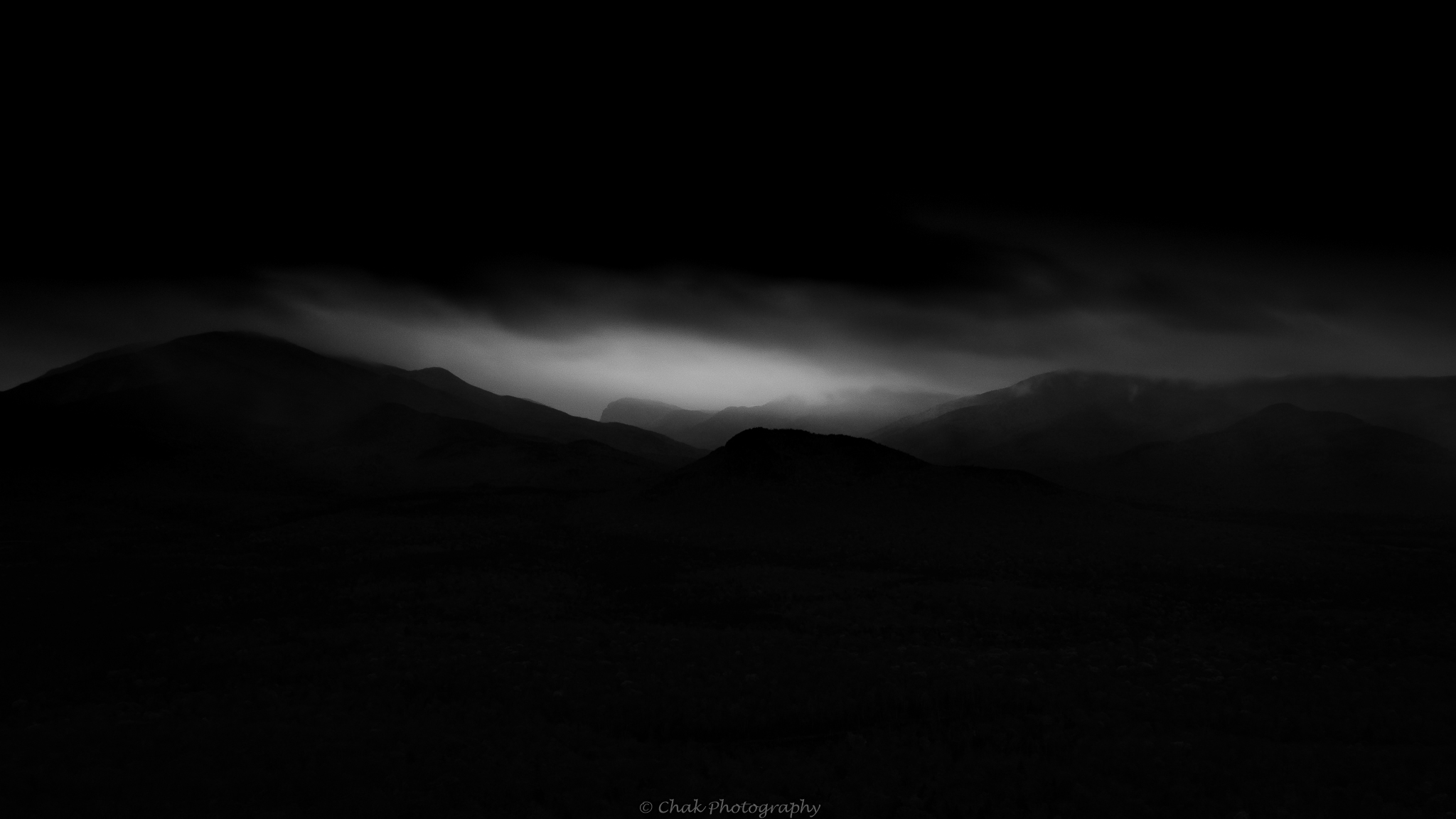 2065 A.D. Wildfires have been raging for about four years. Much of the pristine wilderness of the High Peaks is all but a memory. Thick smoke blankets the Adirondacks. A thin sliver of the forest in the horizon is now burning at a rapid pace. All efforts at containing the fire have now been deemed as a lost battle.
 It all started on one of the last clear Spring nights in 2061. People now fondly recollect the stars they witnessed that night, oblivious of the fact that this would probably be the last in their lifetime. A decade from this night, the mountain named ‘Whiteface’ is now considered a misnomer.
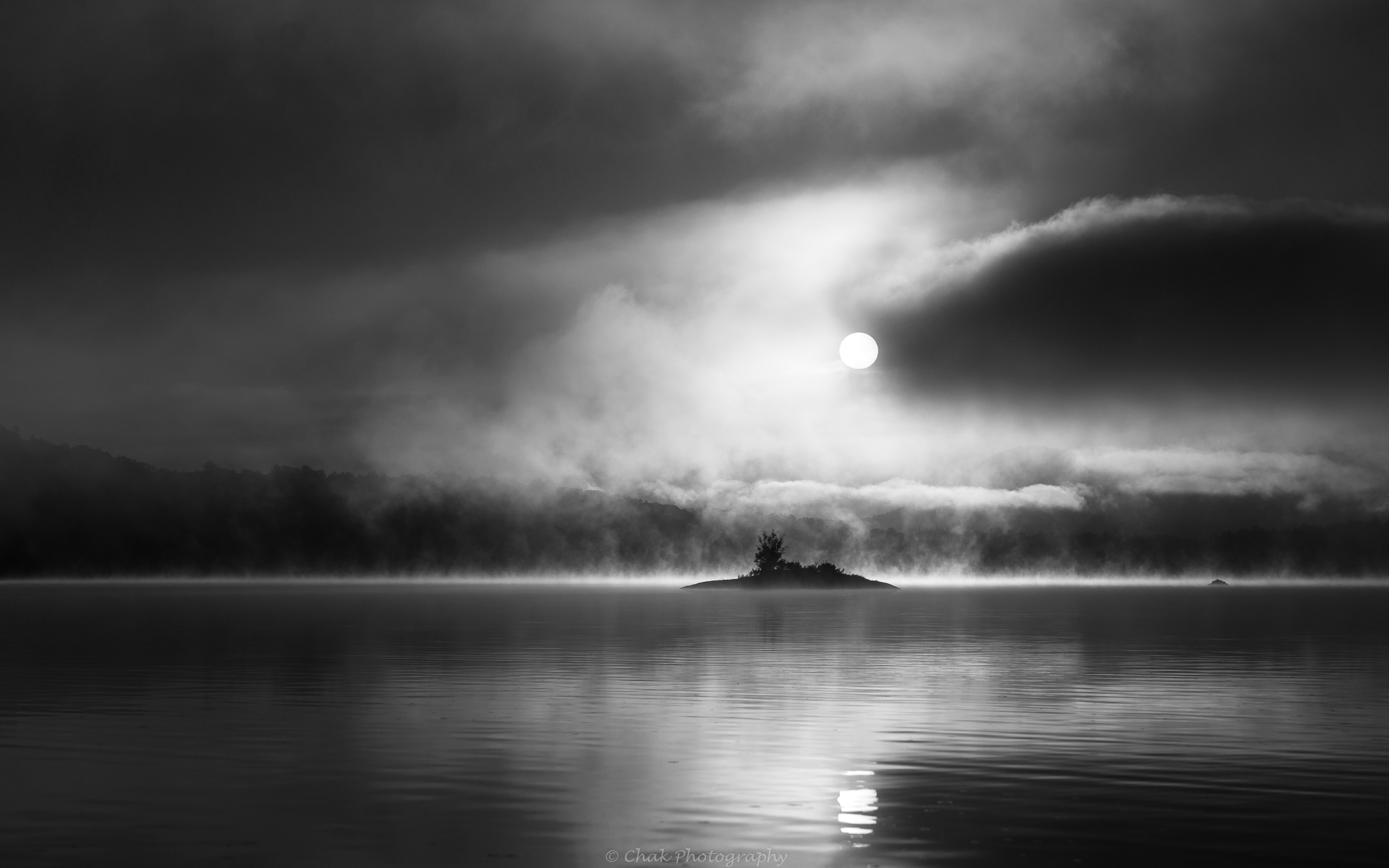 The clear night soon turned cloudy with the approach of dawn. This was becoming an increasing occurrence due to smog and air particulates from surrounding areas. The Adirondack lakes did put up a fine show of mist. Only this time it lingered on longer than usual. The Sun was finally able to pierce through the blanket, about three hours after its stipulated time.
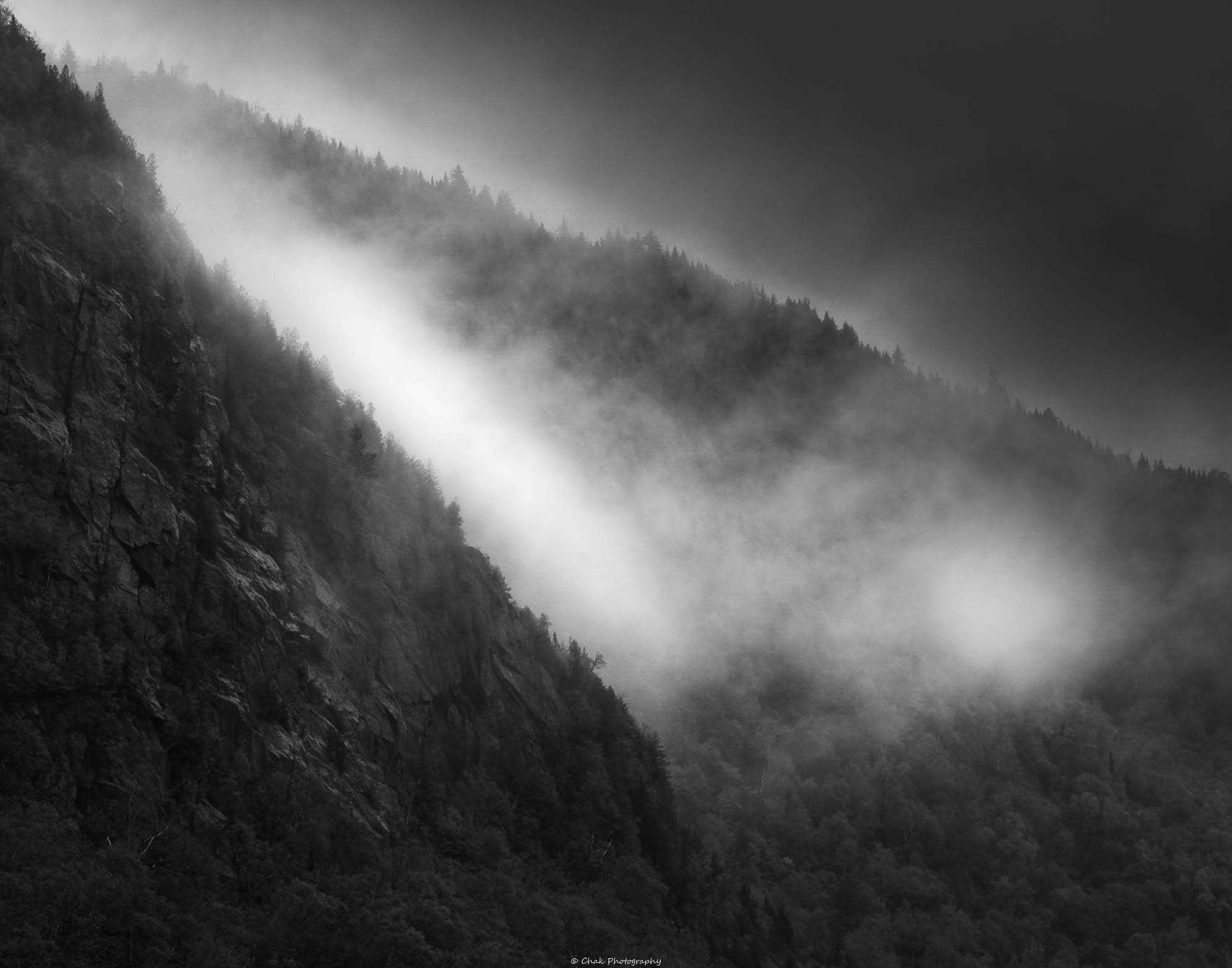 The clear and cloudless stretch of a mild winter with minimal snowfall of 2061 had finally showed its fangs, thus confirming the fearful suspicions of the ecologists. A small spark in the forest floor at the beginning of Spring soon started a cascade of wildfires. The source of this spark was never confirmed.
 The fresh foliage, however little that bloomed in the short-lived Spring was soon reduced to ashes leaving the denuded trunks to bear the burden of shame. It did seem as if ‘winter made its way back into invincible summer’.
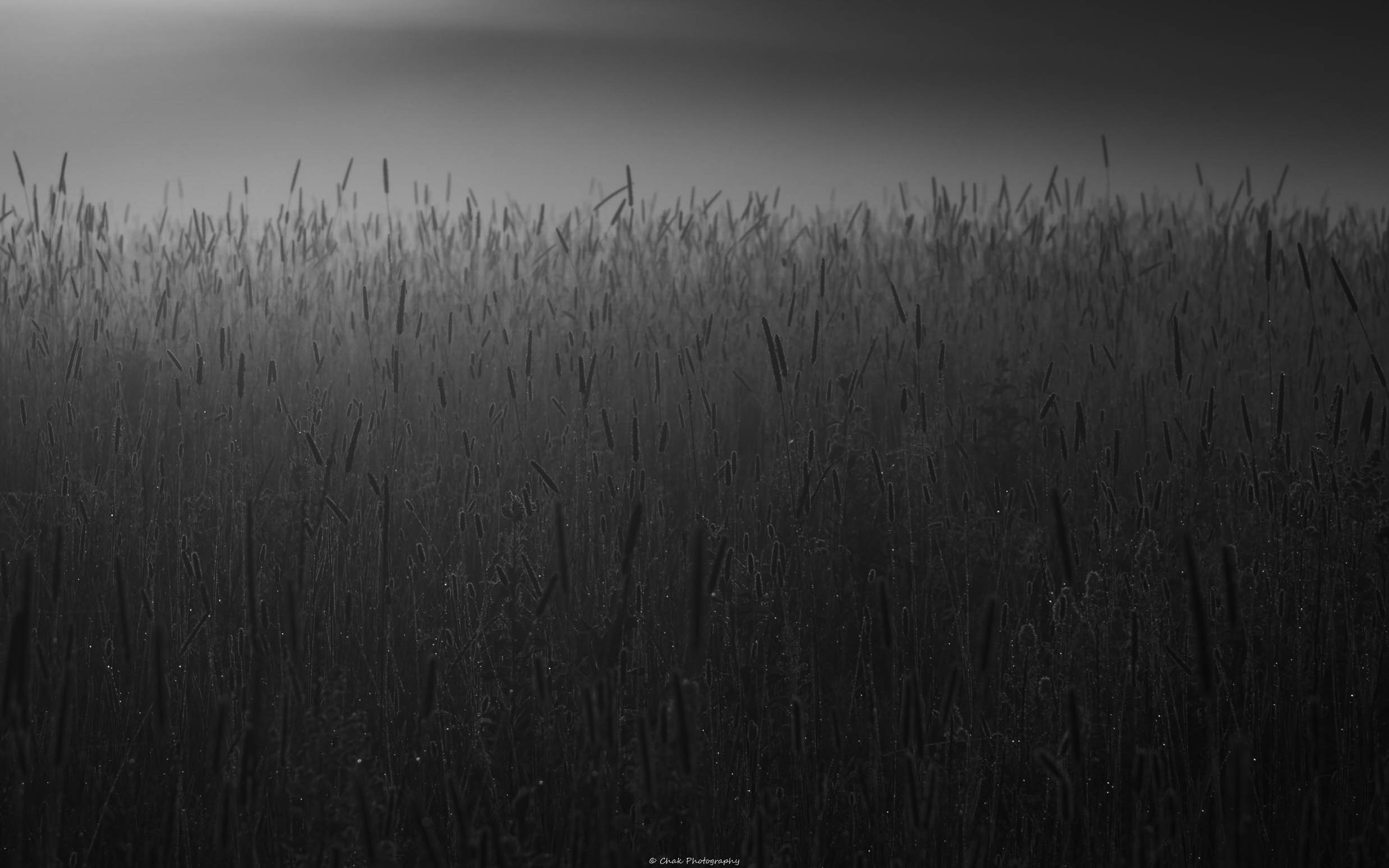 The farmlands, a source of livelihood for some residents, were doomed; all that remained was a sore to the eyes, and one that would soon make its presence more literal in the hungry bellies.
 Wildfires that started in the higher elevation soon led to rampant soil erosion and water runoff in the lowlands. The temporary yet sudden flooding downstream submerged the surrounding vegetation. Unable to adapt, many trees, already defeated by fire in the higher elevations, now acquiesced to the power of water in the low-lying areas.
 2068 A.D. The pristine rivers of the Adirondacks now move slowly, weighed down by the mud and decaying vegetation from the erosion of their banks. The Sun can be hardly seen anymore through the smoke, making the surface of these waters dark and foreboding.
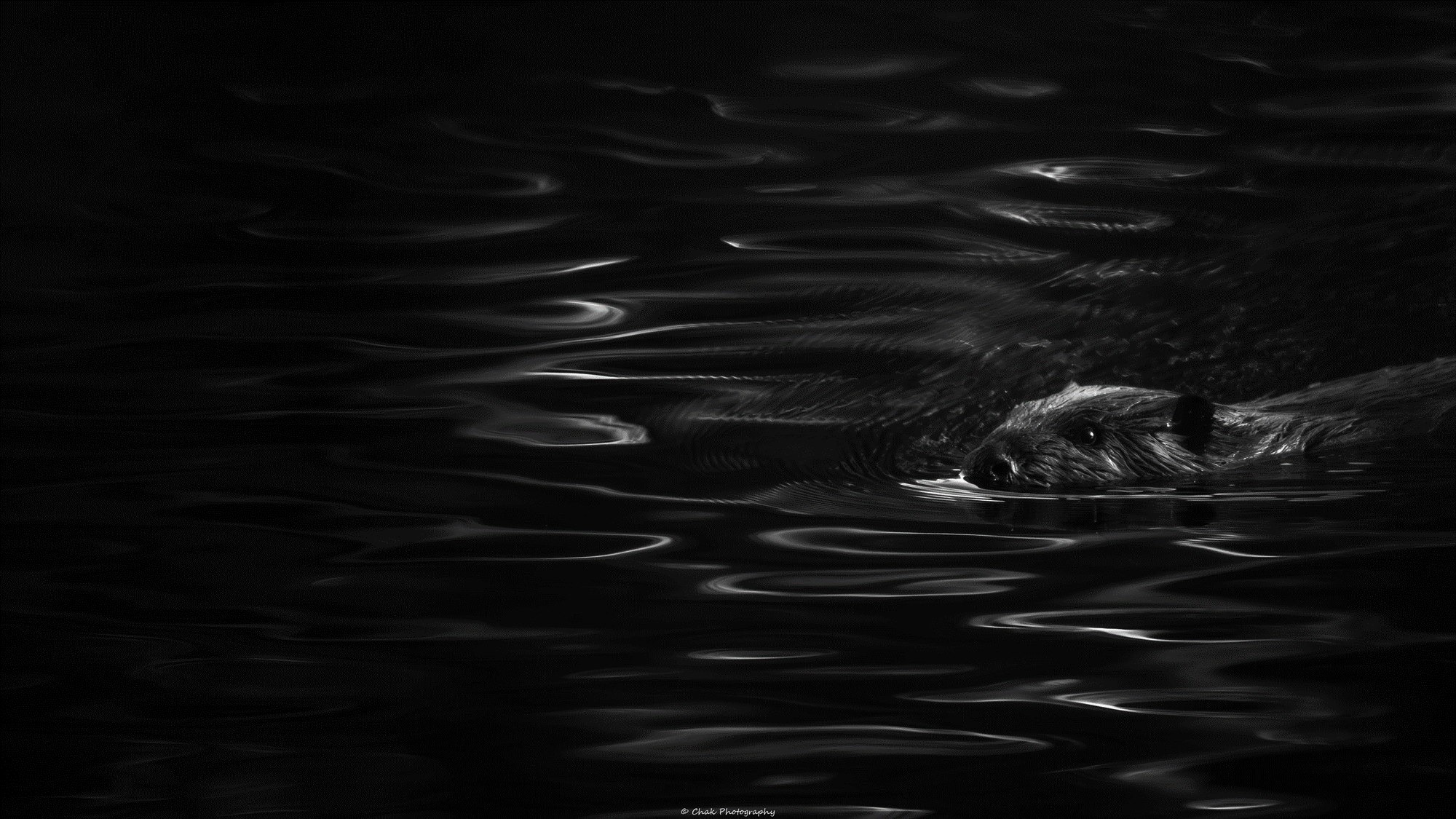 A lone beaver faces the flooding.
 In some shaded areas at the higher elevation, there are miniscule patches of snow. Under normal times, they would have melted into slush and mud, slowly making way for grass and wildflowers. Now, in the absence of light and warmth, these small patches are waiting indefinitely for resurrection.
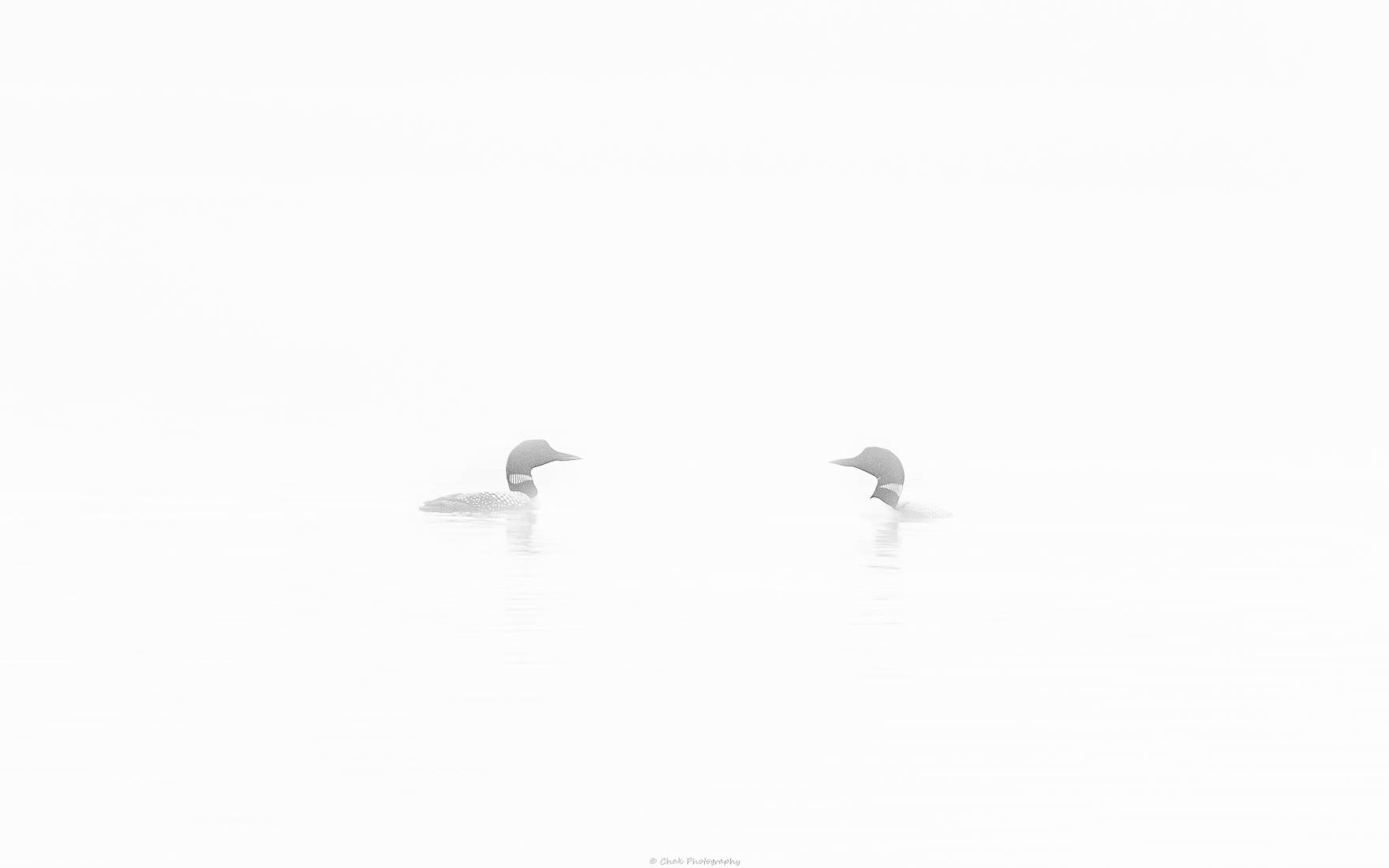 2070 A.D. The loons have completely shunned the Adirondacks. A few unfortunate ones that are trapped, unable to find their way back through the haze from the wildfires, are awaiting an inevitable fate.
 The watering hole that was once a favourite destination of the iconic moose is now undrinkable due to high concentrations of sulphates and iron oxides. Moose sightings were always rare in the Adirondacks and they are now believed to have been extinct from the area.
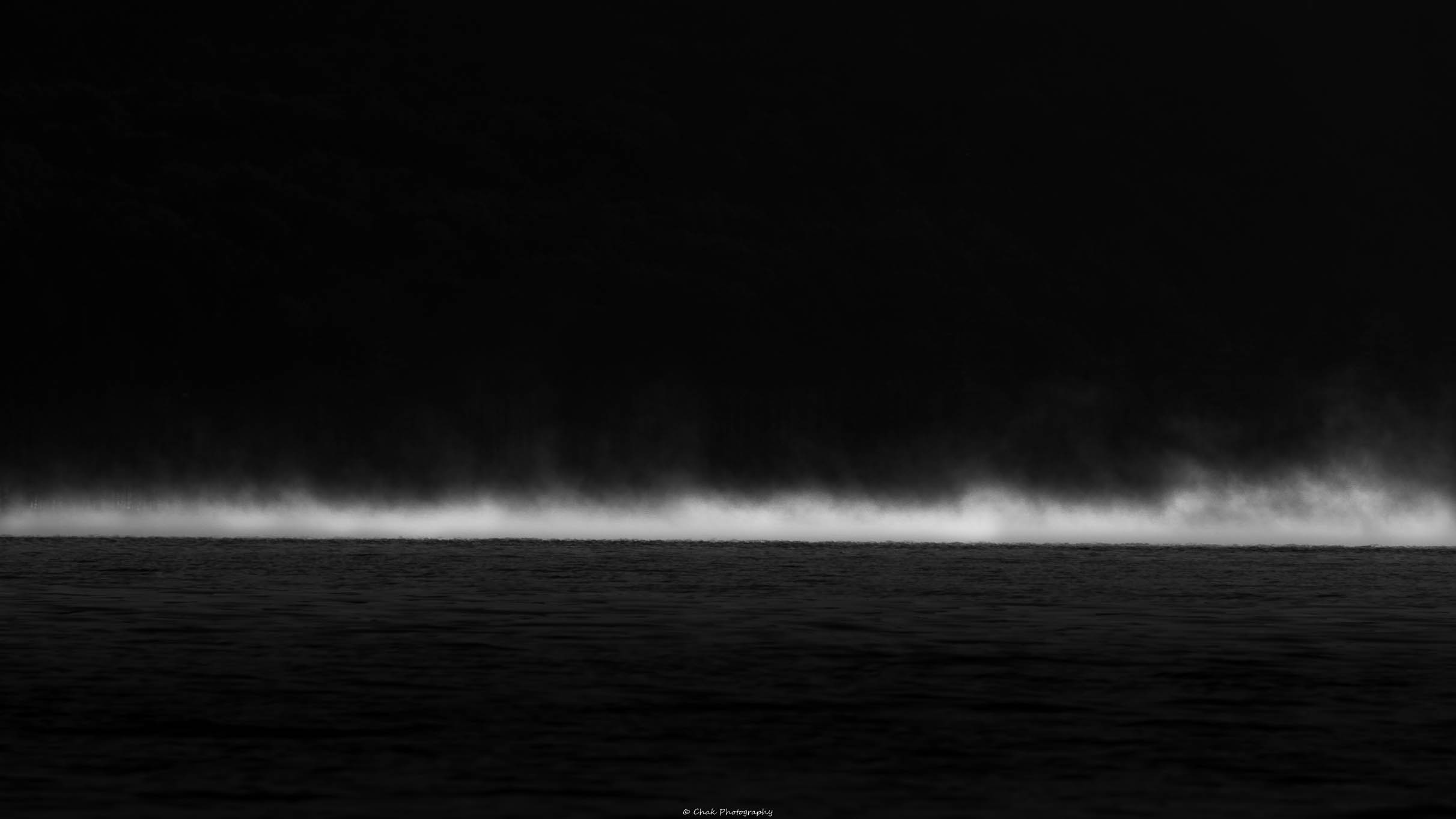 2071 A.D. After a period of continuous burning for ten years, the wildfires are finally starting to subside. After scorching through the entire forest preserve, it has run out of fuel. The thousands of miles of waterways also helped halt its progress, long after humans had evacuated the region and gave up the fight.
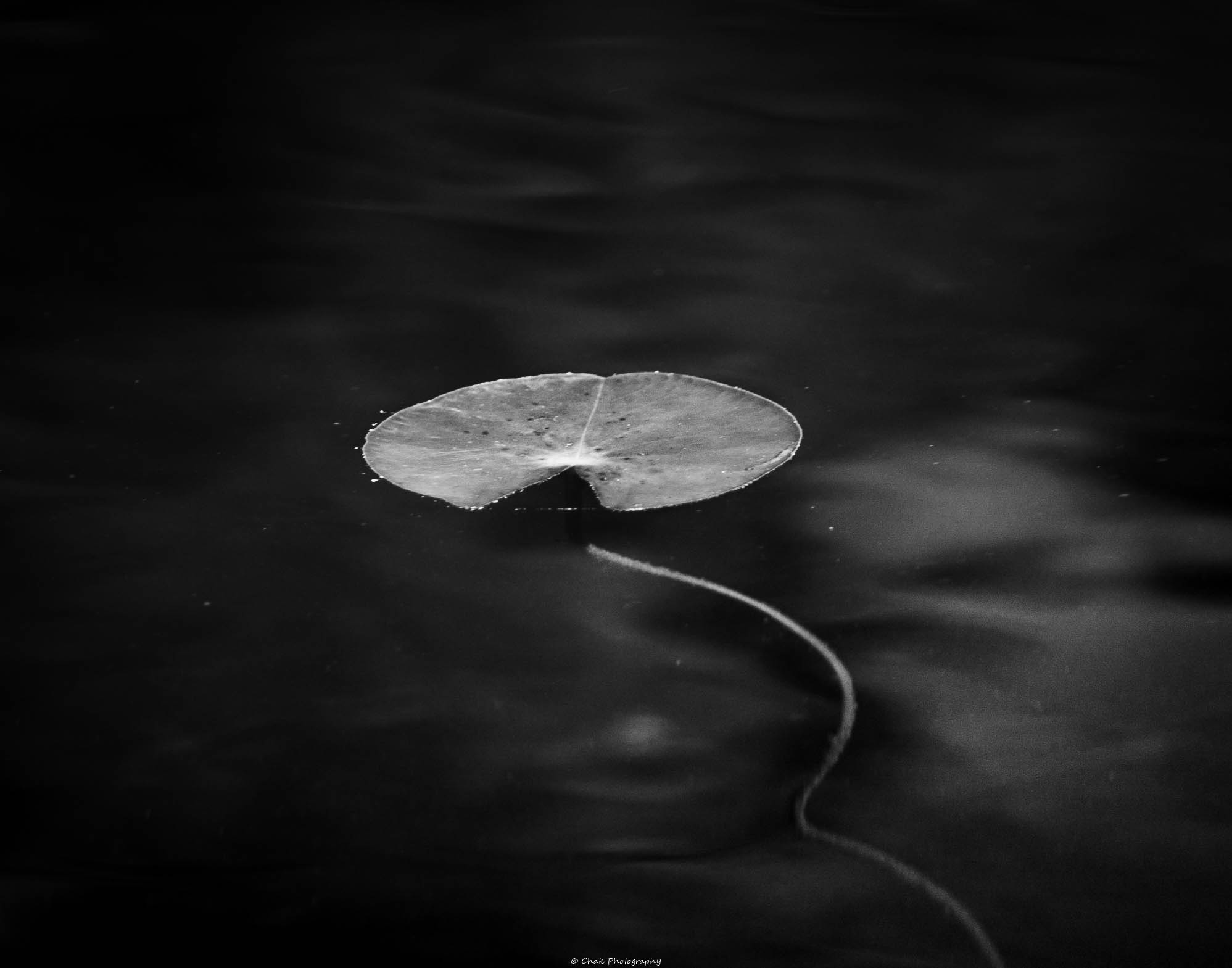 2101 A.D. A generation has grown up on rich stories of a place that was. Another generation has breathed their last with the dim hope of going back to add one last chapter to the story. But they were disappointed. As was the place with them.
 Musings from North country