
“The fault, dear Brutus, is not in our stars, but in ourselves, for we are underlings.”
– Julius Caesar (Shakespeare)
PSYCHOGENETICS – Maurice Wilkins, using nonbiochemical concepts, has defined Psychogenetics to be that branch of evolutionary genetics which deals with the reactions of human genomics to fixed evolutionary and environmental stimuli. Implicit in all these definitions the assumption that the human genome being dealt with is sufficiently large for valid statistical treatment. The necessary size of such a genome may be determined by Franklin’s First Theorem which …..a further necessary assumption is that human conglomerate be itself aware of Psychogenetic analysis in order that its reactions be truly harmless. The basis of all valid Psychogenetics lies in the development of the Foundation alleles which exhibit properties congruent to those of such evolutionary and environmental forces as …
…
Q. Let me suggest that you intend to claim that a period of time preceding the so-called ruin of Earth will be filled with unrest of various types.
A. That is correct.
Q. And that by the mere prediction thereof, you hope to bring it about, and to have then an army of a hundred thousand available.
A. In the first place, that is not so. And if it were, investigation will show you that barely ten thousand are men of military age, and none of these has training in arms.
Q. Are you acting as an agent of another?
A. I am not in the pay of any man, Mr. Advocate?
Q. You are entirely disinterested? You are serving science?
A. I am.
Q. Then let us see how. Can the future be changed, Dr. Franklin?
A. Obviously. This courtroom may explode in the next few hours, or it may not. If it did, the future would undoubtedly be changed in some minor respects.
Q. You quibble, Dr. Franklin. Can the overall genetics of human race be changed?
A. Yes.
Q. Easily?
A. No. With great difficulty.
Q. Why?
A. The psychogenetic trend of a planet-full of people contains a huge inertia. To be changed it must be met with something possessing a similar inertia. Either as many alleles must be concerned, or if the number of alleles be relatively small, enormous time for mutation must be allowed. Do you understand?
Q. I think I do. Earth need not be ruined, if a great many people decide to act so that it will not.
A. That is right.
Q. As many as a hundred thousand people?
A. No, sir. That is far too few.
Q. You are sure?
A. Consider that Earth has a population of over seven billion. Consider further that the trend leading to ruin does not belong to Sapiens alone but to the Ecology as a whole and the Ecology contains nearly a trillion species.
Q. I see. Then perhaps a hundred thousand people can change the trend, if they and their descendants labor for five hundred years.
A. I’m afraid not. Five hundred years is too short a time.
Q. Ah! In that case, Dr. Franklin, we are left with this deduction to be made from your statements. You have gathered one hundred thousand people within the confines of your project. These are insufficient to change the history of Earth within five hundred years. In other words, they can not prevent the destruction of Earth no matter what they do.
A. You are unfortunately correct.
Q. And on the other hand, your hundred thousand are intended for no illegal purpose.
A. Exactly.
Q. (slowly and with satisfaction) In that case, Dr. Franklin- Now attend, madam, most carefully, for we want a considered answer. What is the purpose of your hundred thousand?
…..
A. To minimize the effects of that destruction.
Q. And what exactly do you mean by that?
A. The explanation is simple. The coming destruction of Earth is not an event in itself, isolated in the scheme of human development. It will be the climax to an intricate drama which was begun centuries ago and which is accelerating in pace continuously. I refer, gentlemen, to the developing decline and fall of the Anthropocentric Ecology.
…..
Q. (theatrically) Do you realize, Dr. Franklin, that you are speaking of an Ecology that has stood for years, through all the vicissitudes of the generations, and which has behind it the good wishes and love of more than a hundred billion sapiens?
A. I am aware both of the present status and the past history of the Anthropocentric Ecology. Without disrespect, I must claim a far better knowledge of it than any in the room.
Q. And you predict its ruin?
A. It is a prediction which is made by evolutionary genetics. I pass no moral judgements. Personally, I regret the prospect. Even if the Anthropocentric Ecology were admitted to be a bad thing (an admission I do make), the state of anarchy which would follow its fall would be worse. It is that state of anarchy which my project is pledged to fight. The fall of Ecology, gentlemen, is a massive thing, however, and not easily fought. It is dictated by a rising ocean, receding old-growth forests, a freezing of food sources, a damming of – a hundred other factors. It has been going on, as I have said, for centuries, and it is too majestic and massive a movement to stop.
Q. Is it not obvious to anyone that the Ecology is as strong as it ever was?
A. The appearance of strength is all about you. It would seem to last forever. However, Mr. Advocate, the rotten tree-trunk, until the very moment when the storm-blast breaks it in two, has all the appearance of might it ever had. The storm-blast whistles through the branches of the Anthropocentric Ecology even now. Listen with the ears of psychogenetics, and you will hear the creaking.
Q. (uncertainly) We are not here, Dr. Franklin, to lis-
A. (firmly) Anthropocentrism will vanish and all its good with it. Its accumulated knowledge will decay and the order it has imposed will vanish. Interspecies transgressions will be endless; ecological balance will decay; population will decline; continents will lose touch with the main body of the glaciers. -And so matters will remain.
Q. (a small voice in the middle of a vast silence) Forever?
A. Psychogenetics, which can predict the fall, can make statements concerning the successive dark ages. The Anthropocentric Ecology, gentlemen, as has just been said, has stood twelve thousand years. The dark ages to come will endure not twelve, but thirty thousand years. A Second Ecology will rise, but between it and our civilization will be one thousand generations of suffering. We must fight that.
Q. (recovering somewhat) You contradict yourself. You said earlier that you could not prevent the destruction of sapiens, hence, presumably, the fall; – the so-called fall of the Anthropocentric Ecology.
A. I do not say now that we can prevent the fall. But it is not yet too late to shorten the interregnum which will follow. It is possible, gentlemen, to reduce the duration of anarchy to a single millennium, if my group is allowed to act now. We are at a delicate moment in evolution. The huge, onrushing mass of events must be deflected just a little, – just a little- It cannot be much, but it may be enough to remove twenty-nine thousand years of misery from sapiens genetics.
Q. How do you propose to do this?
A. By saving the knowledge of the race. The sum of human knowing, and human undoing, is beyond any one man; any thousand men. With the destruction of our ecological fabric, environment will be broken into a million pieces. Individuals will know much of exceedingly tiny facets of what is there to know. They will be helpless and useless by themselves. The bits of lore, meaningless, will not be passed on. They will be lost through the generations. But, if we now prepare, a giant summary of all knowledge, it will never be lost. Coming generations will build on it, and will not have to make the same mistakes, and rediscover it for themselves. One millennium will do the work of thirty thousand.
Q. All this-
A. All my project; my thirty thousand with their spouses and children, are devoting themselves to the preparation of a “Genetica Galactica”. They will not complete it in their lifetimes. I will not even live to see it fairly begun. But by the time Earth falls, it will be complete and copies will exist in the genomic library of sapiens. The Foundation Gene, what we have decided to name the dominant allele, will be replicated in all future generations of sapiens. The Second Ecology, I hope, will not be anthropocentric. But it will be humane.
A humble tribute to Isaac Asimov’s “Foundation Trilogy” (from where this conversation was altered to suit the climate change narrative in the current context) and the (mostly) un-recognized work of Rosalind Franklin and Maurice Wilkins on Earth Day, with the dream of a better world.
And I would be amiss if I do not mention my dear Suvro Sir, without whom my affair with Asimov, and other facets of the good life, would be rudimentary at best. Here is his excellent blog that you shouldn’t miss- https://suvrobemused.blogspot.com/









 2065 A.D. Wildfires have been raging for about four years. Much of the pristine wilderness of the High Peaks is all but a memory. Thick smoke blankets the Adirondacks. A thin sliver of the forest in the horizon is now burning at a rapid pace. All efforts at containing the fire have now been deemed as a lost battle.
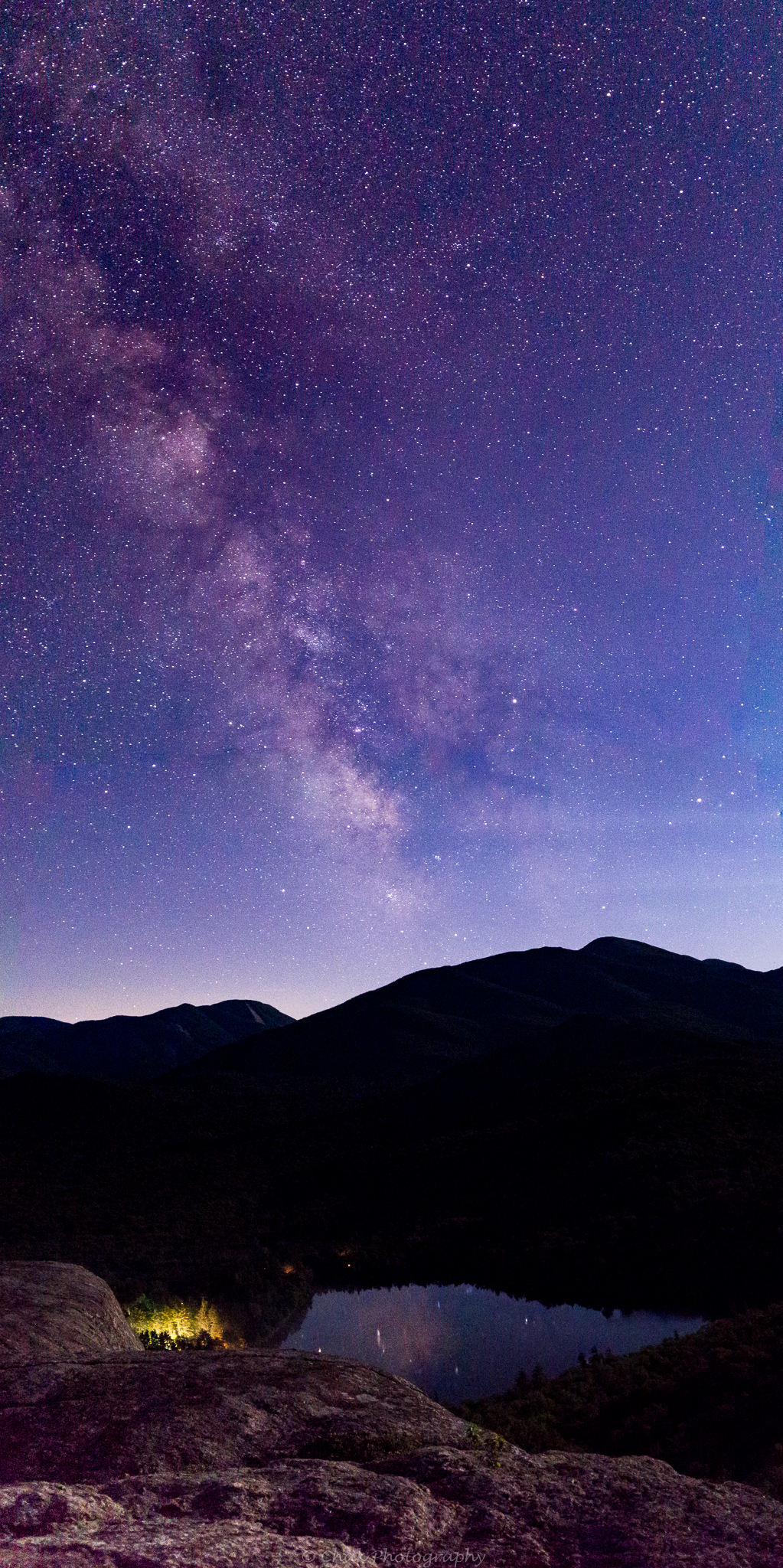
 It all started on one of the last clear Spring nights in 2061. People now fondly recollect the stars they witnessed that night, oblivious of the fact that this would probably be the last in their lifetime. A decade from this night, the mountain named ‘Whiteface’ is now considered a misnomer.
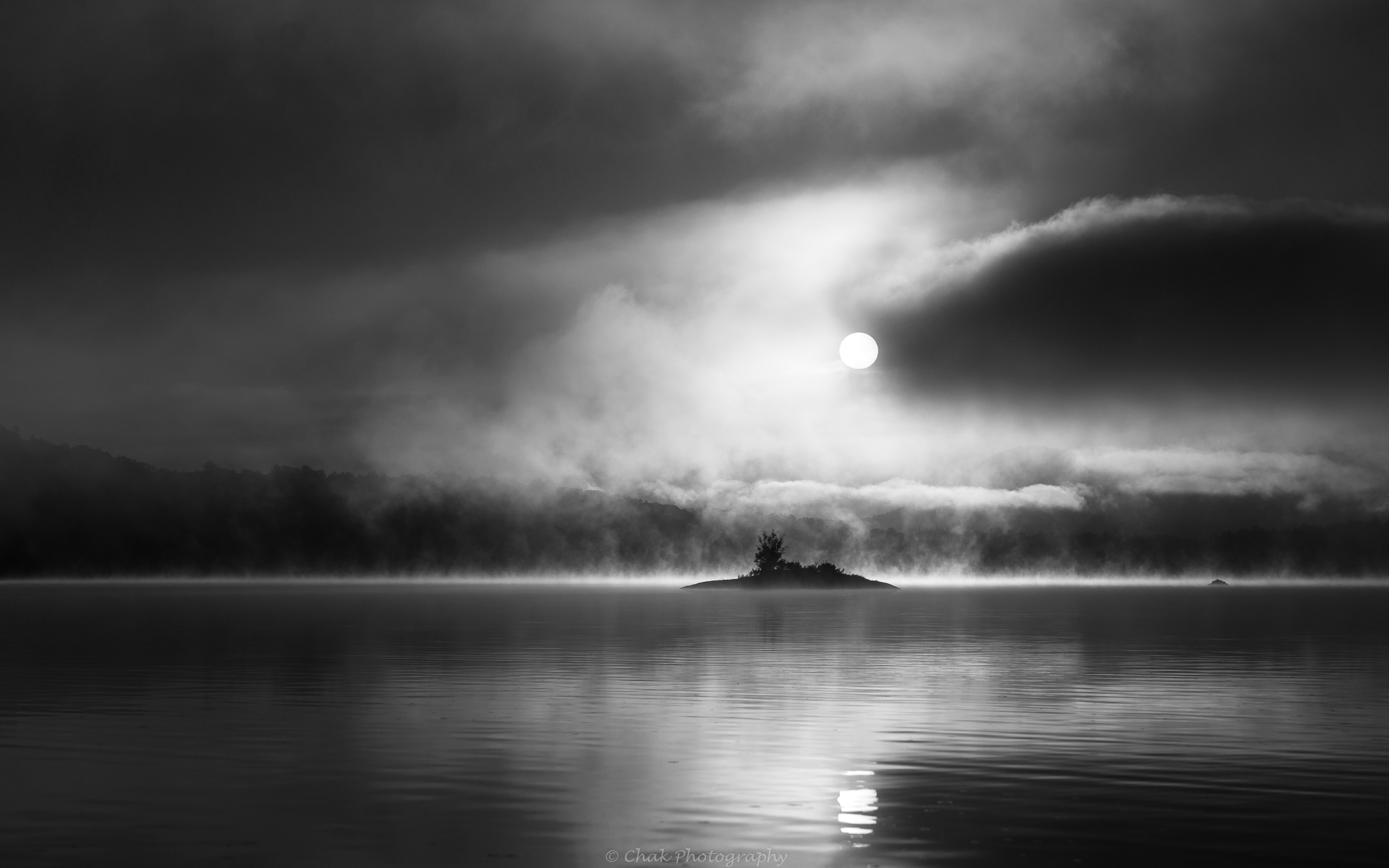 The clear night soon turned cloudy with the approach of dawn. This was becoming an increasing occurrence due to smog and air particulates from surrounding areas. The Adirondack lakes did put up a fine show of mist. Only this time it lingered on longer than usual. The Sun was finally able to pierce through the blanket, about three hours after its stipulated time.
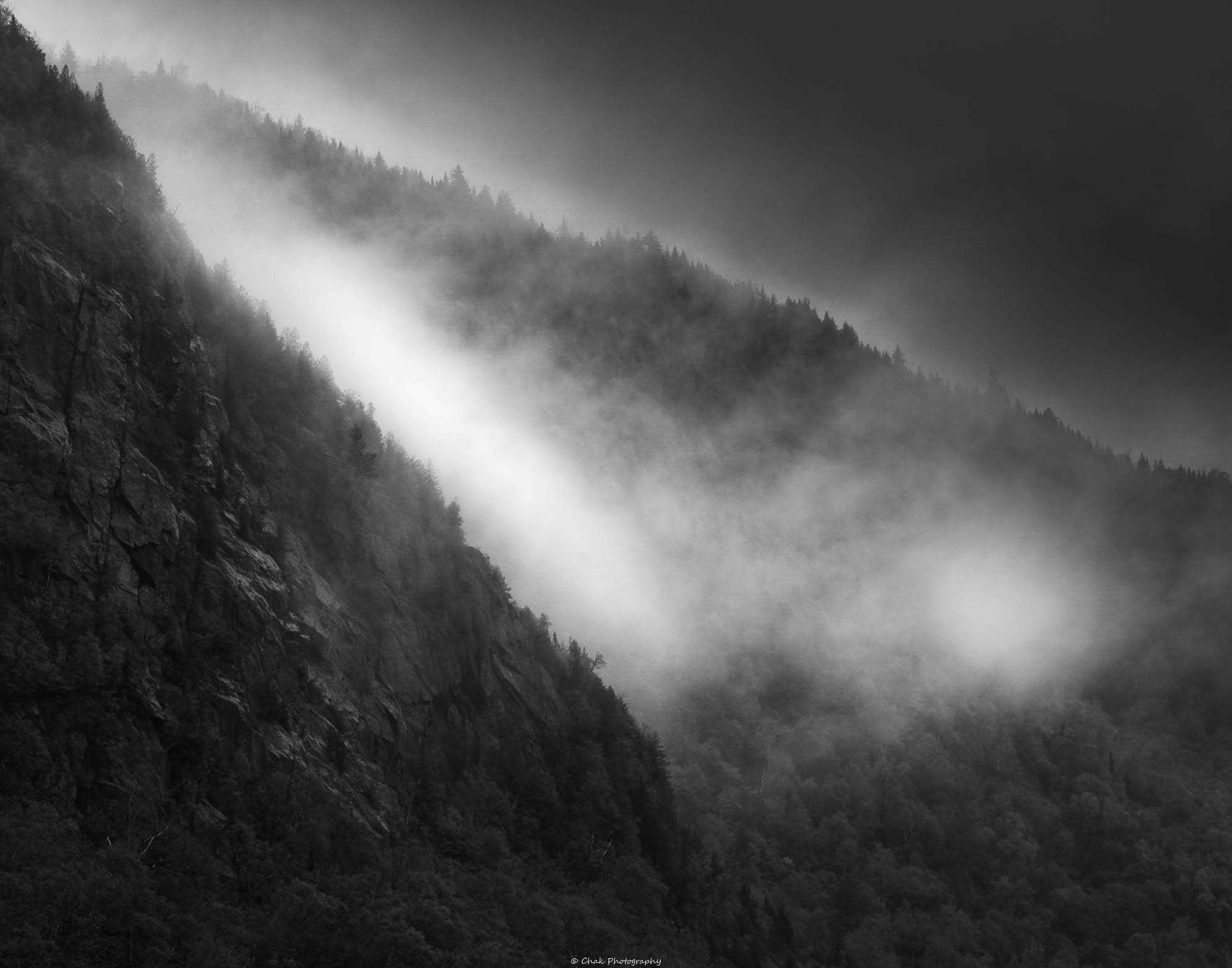 The clear and cloudless stretch of a mild winter with minimal snowfall of 2061 had finally showed its fangs, thus confirming the fearful suspicions of the ecologists. A small spark in the forest floor at the beginning of Spring soon started a cascade of wildfires. The source of this spark was never confirmed.
 The fresh foliage, however little that bloomed in the short-lived Spring was soon reduced to ashes leaving the denuded trunks to bear the burden of shame. It did seem as if ‘winter made its way back into invincible summer’.
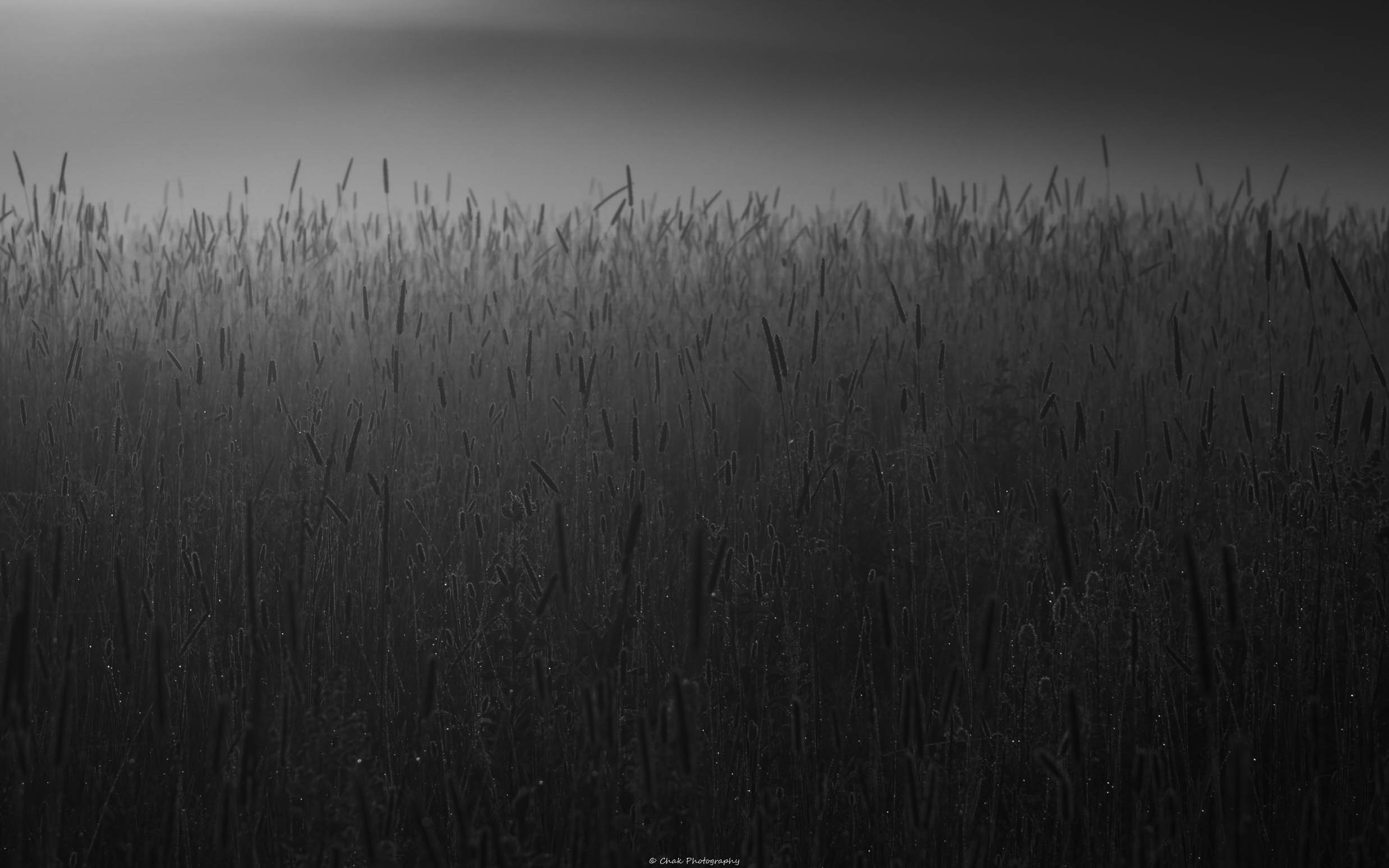 The farmlands, a source of livelihood for some residents, were doomed; all that remained was a sore to the eyes, and one that would soon make its presence more literal in the hungry bellies.
 Wildfires that started in the higher elevation soon led to rampant soil erosion and water runoff in the lowlands. The temporary yet sudden flooding downstream submerged the surrounding vegetation. Unable to adapt, many trees, already defeated by fire in the higher elevations, now acquiesced to the power of water in the low-lying areas.
 2068 A.D. The pristine rivers of the Adirondacks now move slowly, weighed down by the mud and decaying vegetation from the erosion of their banks. The Sun can be hardly seen anymore through the smoke, making the surface of these waters dark and foreboding.
 A lone beaver faces the flooding.
 In some shaded areas at the higher elevation, there are miniscule patches of snow. Under normal times, they would have melted into slush and mud, slowly making way for grass and wildflowers. Now, in the absence of light and warmth, these small patches are waiting indefinitely for resurrection.
 2070 A.D. The loons have completely shunned the Adirondacks. A few unfortunate ones that are trapped, unable to find their way back through the haze from the wildfires, are awaiting an inevitable fate.
 The watering hole that was once a favourite destination of the iconic moose is now undrinkable due to high concentrations of sulphates and iron oxides. Moose sightings were always rare in the Adirondacks and they are now believed to have been extinct from the area.
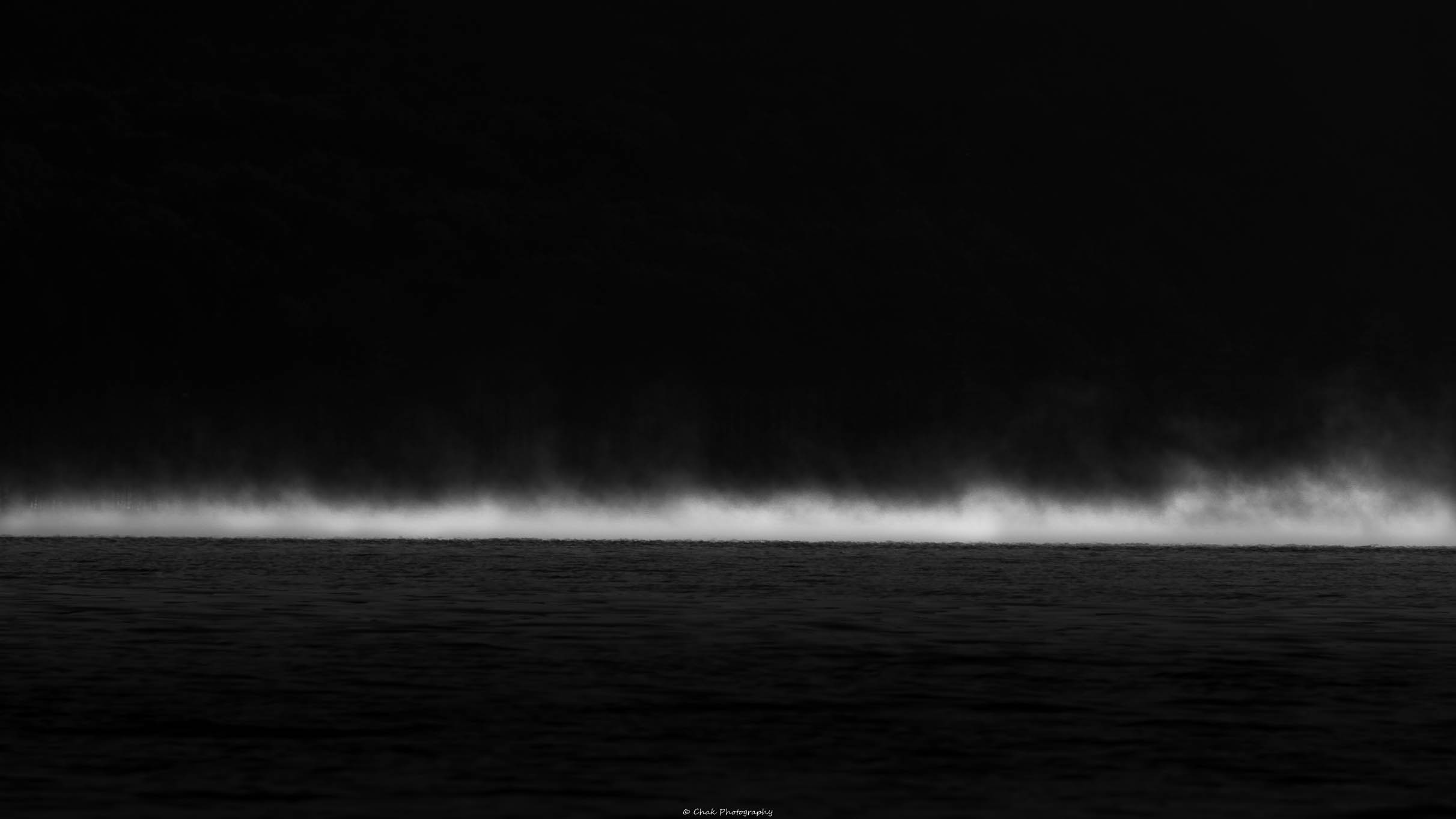 2071 A.D. After a period of continuous burning for ten years, the wildfires are finally starting to subside. After scorching through the entire forest preserve, it has run out of fuel. The thousands of miles of waterways also helped halt its progress, long after humans had evacuated the region and gave up the fight.
 2101 A.D. A generation has grown up on rich stories of a place that was. Another generation has breathed their last with the dim hope of going back to add one last chapter to the story. But they were disappointed. As was the place with them.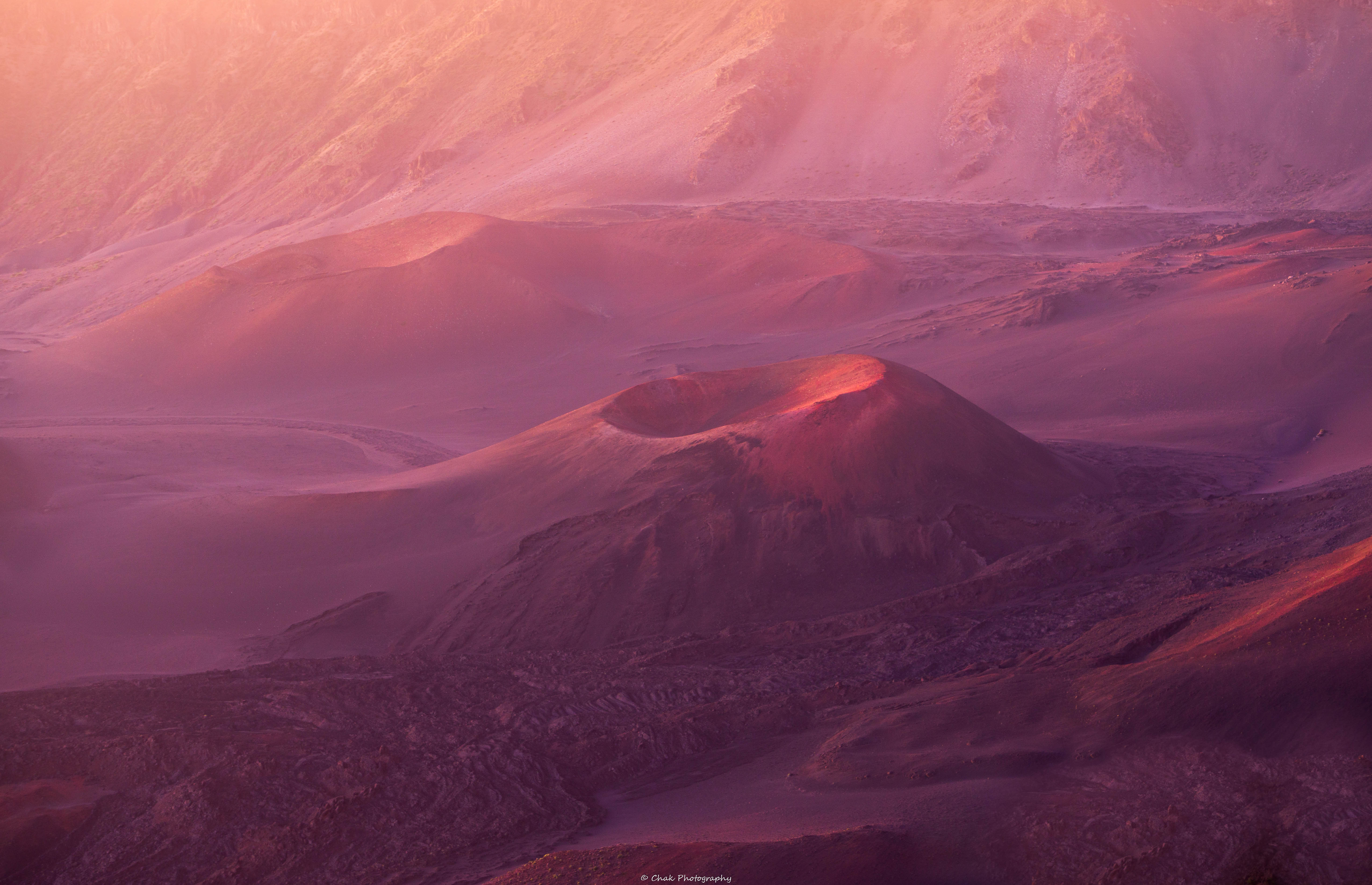



 Musings from North country