“What is the use of a house if you haven’t got a tolerable planet to put it on?”
-Henry David Thoreau
Although the current pandemic has devoured all our attention, and rightly so, there have been a string of other incidents with far-reaching consequences and warning bells for the future. The California wildfires, the burning of the Amazon rainforest, Australian bushfires, or the very recent cyclone Amphan in my home state of West Bengal in India are only a few in a very long list of devastating events. While major events tend to be graphical in nature, many seemingly small issues like reduction in the population of bees or migratory birds, increasing pollution of air and water, rising levels of carbon dioxide, are harder to portray. Until and unless the small changes add up to a catastrophe, we seem unperturbed by the daily variations that lead to the latter.
The Adirondack region of upstate New York is six million acres of pure gem, much of which is protected by the ‘Forever Wild’ clause of the New York state constitution. Every time I visit this place, I cannot help but think that this is a timeless wonderland. However, that is not true. Rampant logging and deforestation almost denuded this place until preservation and conservation efforts helped protect this place. It would also be wishful to think that this place, or any place, will survive without our active choice of living in harmony with Nature. In the current times, when our activities are even more interlinked, the consequence of our actions, however removed in place or time, will be felt everywhere. Global warming and climate change do not discriminate; a factory in the west coast contributes to rising carbon dioxide levels which potentially translates into longer summers and dry season, rise in ticks, shorter winters etc. in the Adirondacks.
While I am not an expert on Adirondacks (or for that matter climate change), I have come to love this place deeply and explored it intensively over the years. This has inspired me to write the following photo-essay, depicting a calamitous future of the Adirondacks. This is a figment of my imagination; the photographs are a work of my creative pursuits in this place. Some of the images were made at popular locations, some along obscure trails. I have stripped them to their bare elements, devoid of colour or any other obvious attributes. I have envisioned the images to be about and around the Adirondacks and the lurking issues that can potentially affect the place, rather than pretty postcards. This is primarily a work of fiction and while I would never want such a future, it would do us good to remember that the future reality is probably worse. ‘Truth is stranger than fiction.’ My hope is that this essay will help, myself as well as others, in being mindful about our daily activities and their impact, as well spark a discussion leading to a greater awareness about the planet, thereby leading to harmonious actions.
It is also important to remember that “Dystopia” is what the privileged thinks will happen to themselves while it is already happening to underprivileged elsewhere and everywhere in this world. I have the time and opportunity to be out and create while not being worried about being lethally ensnared in any of the circumstances mentioned in this essay.
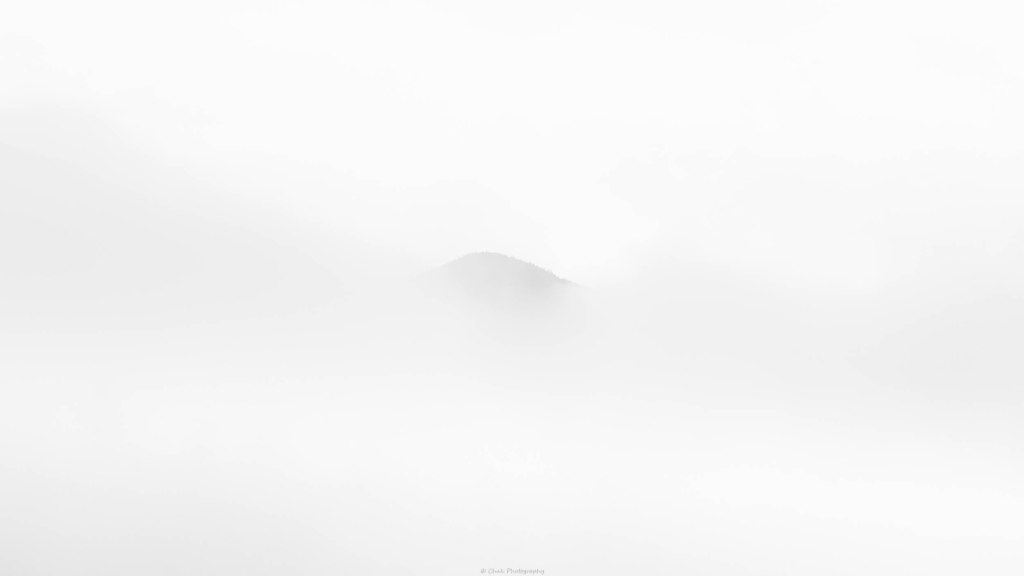
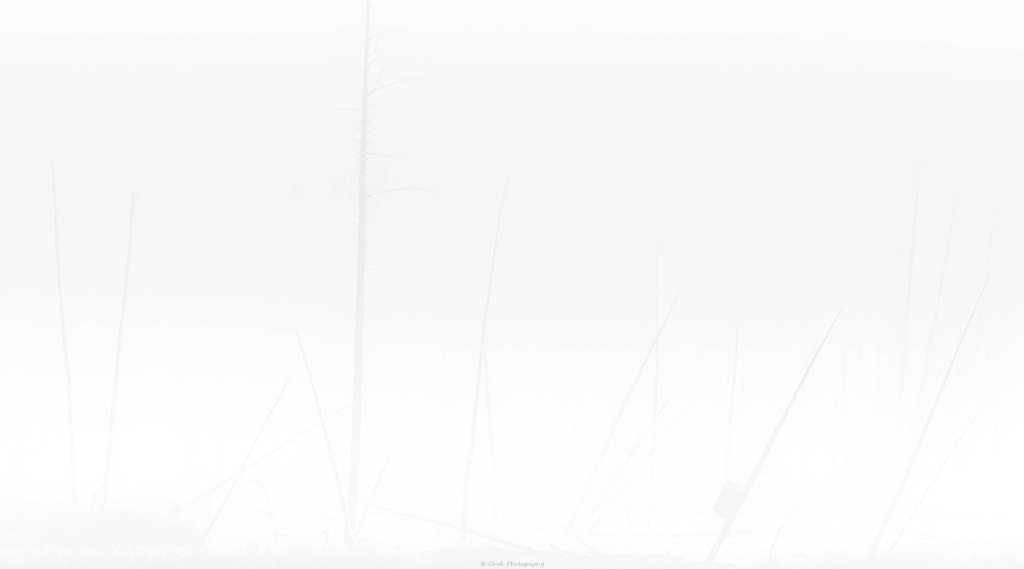
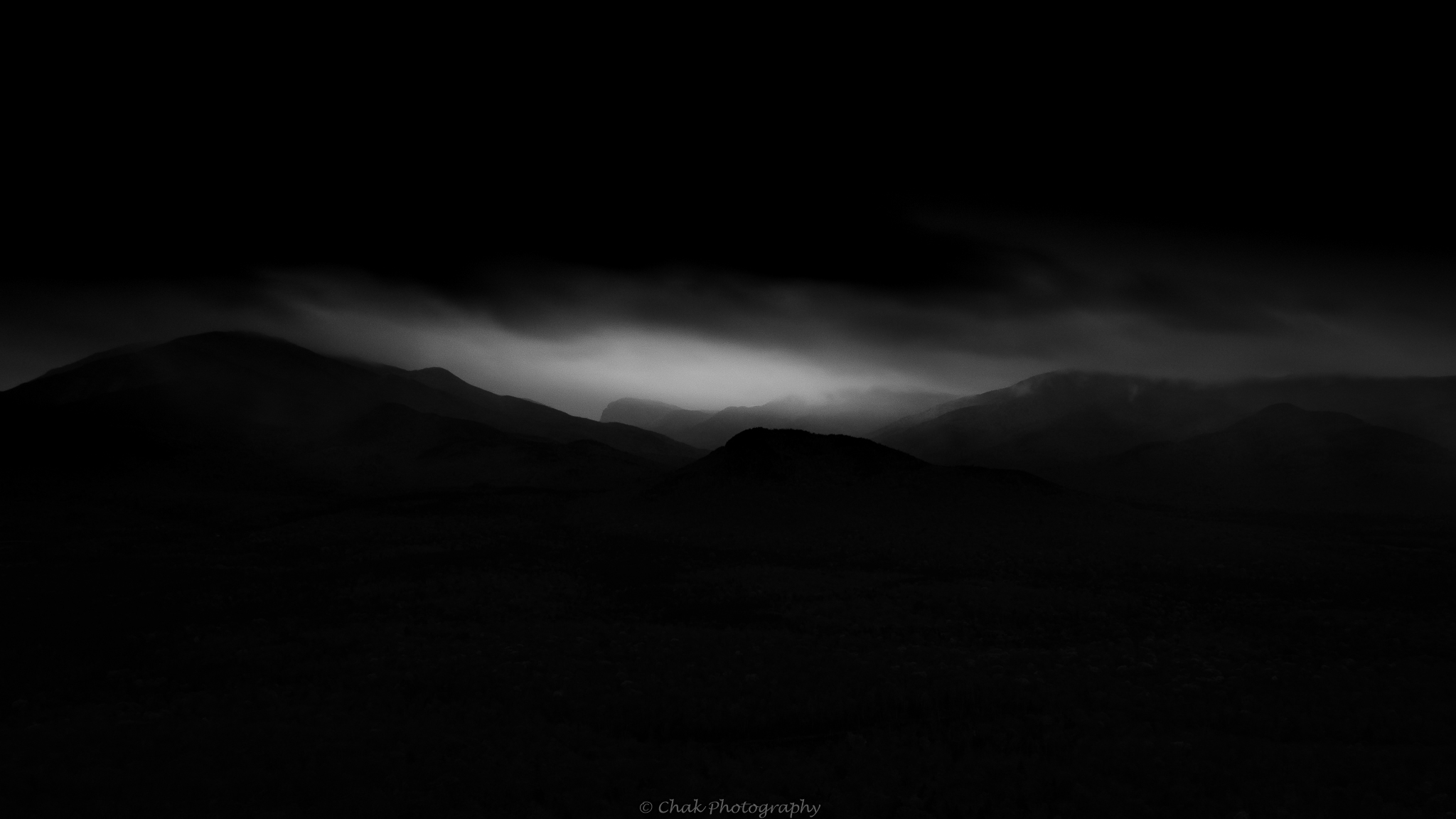 2065 A.D. Wildfires have been raging for about four years. Much of the pristine wilderness of the High Peaks is all but a memory. Thick smoke blankets the Adirondacks. A thin sliver of the forest in the horizon is now burning at a rapid pace. All efforts at containing the fire have now been deemed as a lost battle.
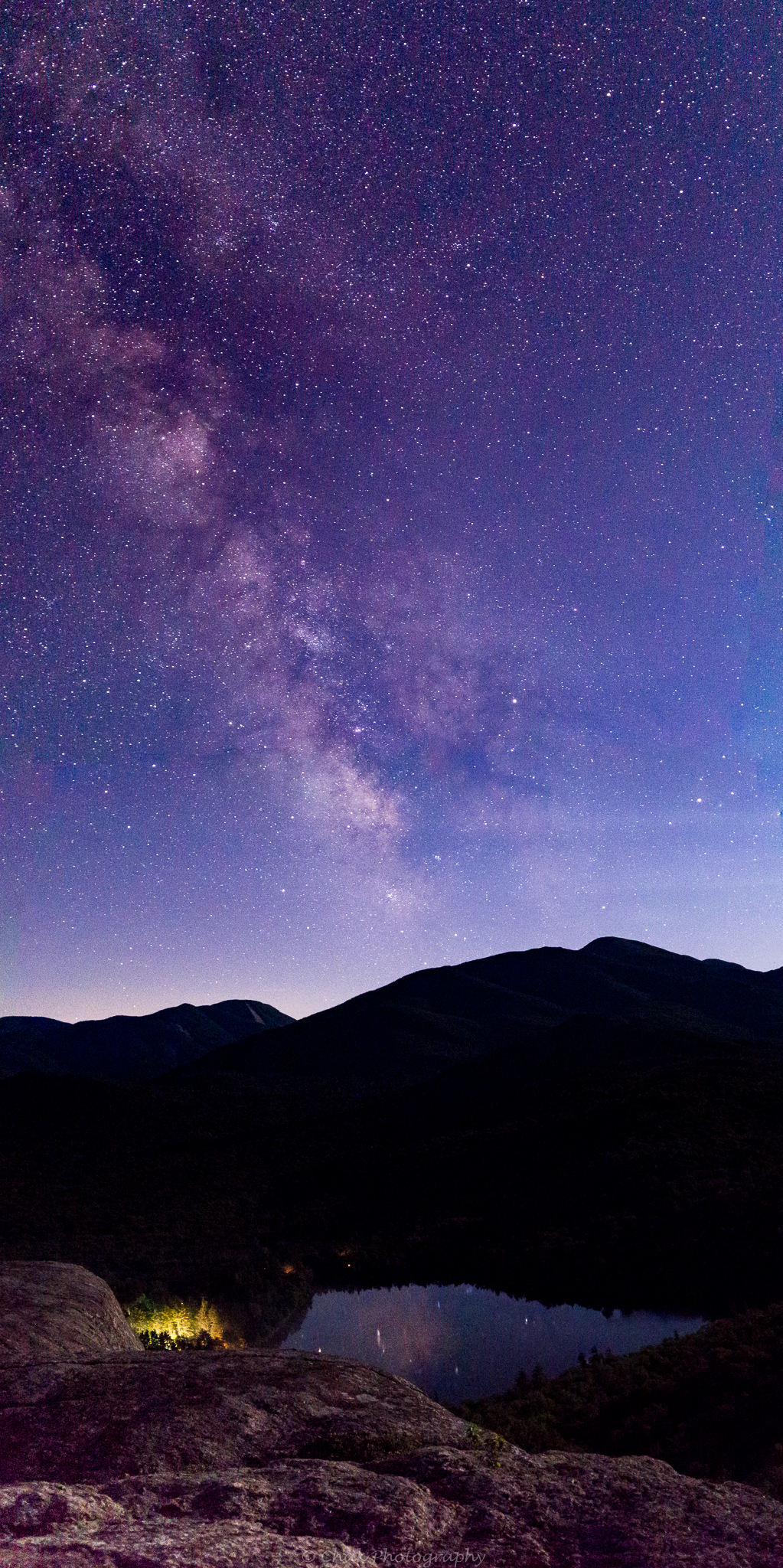
 It all started on one of the last clear Spring nights in 2061. People now fondly recollect the stars they witnessed that night, oblivious of the fact that this would probably be the last in their lifetime. A decade from this night, the mountain named ‘Whiteface’ is now considered a misnomer.
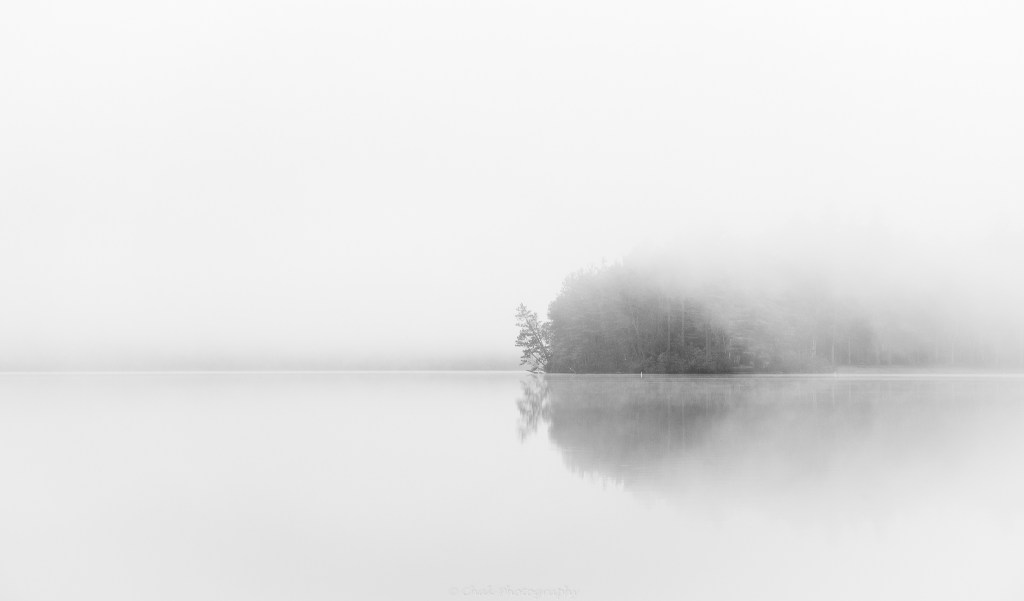
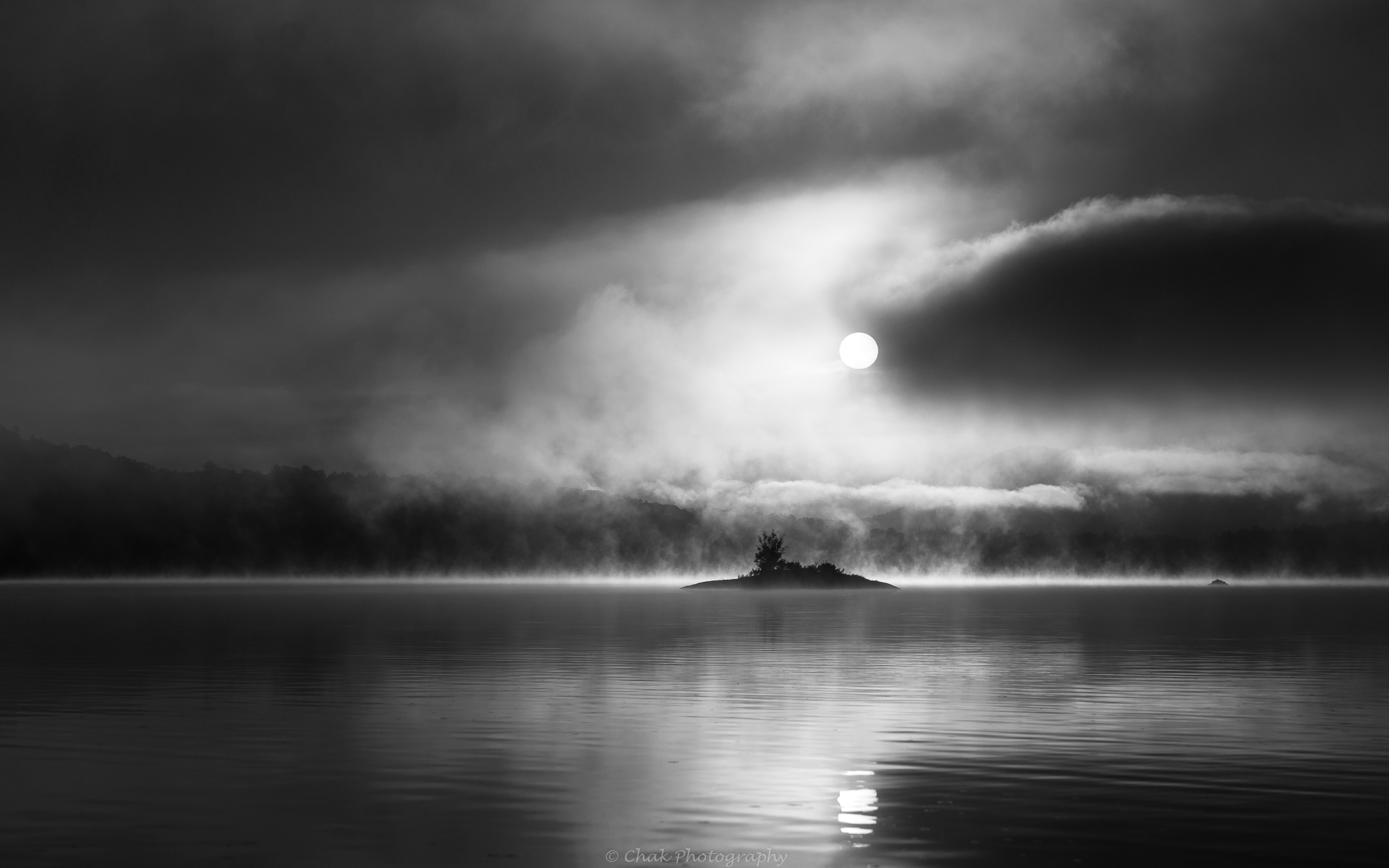 The clear night soon turned cloudy with the approach of dawn. This was becoming an increasing occurrence due to smog and air particulates from surrounding areas. The Adirondack lakes did put up a fine show of mist. Only this time it lingered on longer than usual. The Sun was finally able to pierce through the blanket, about three hours after its stipulated time.
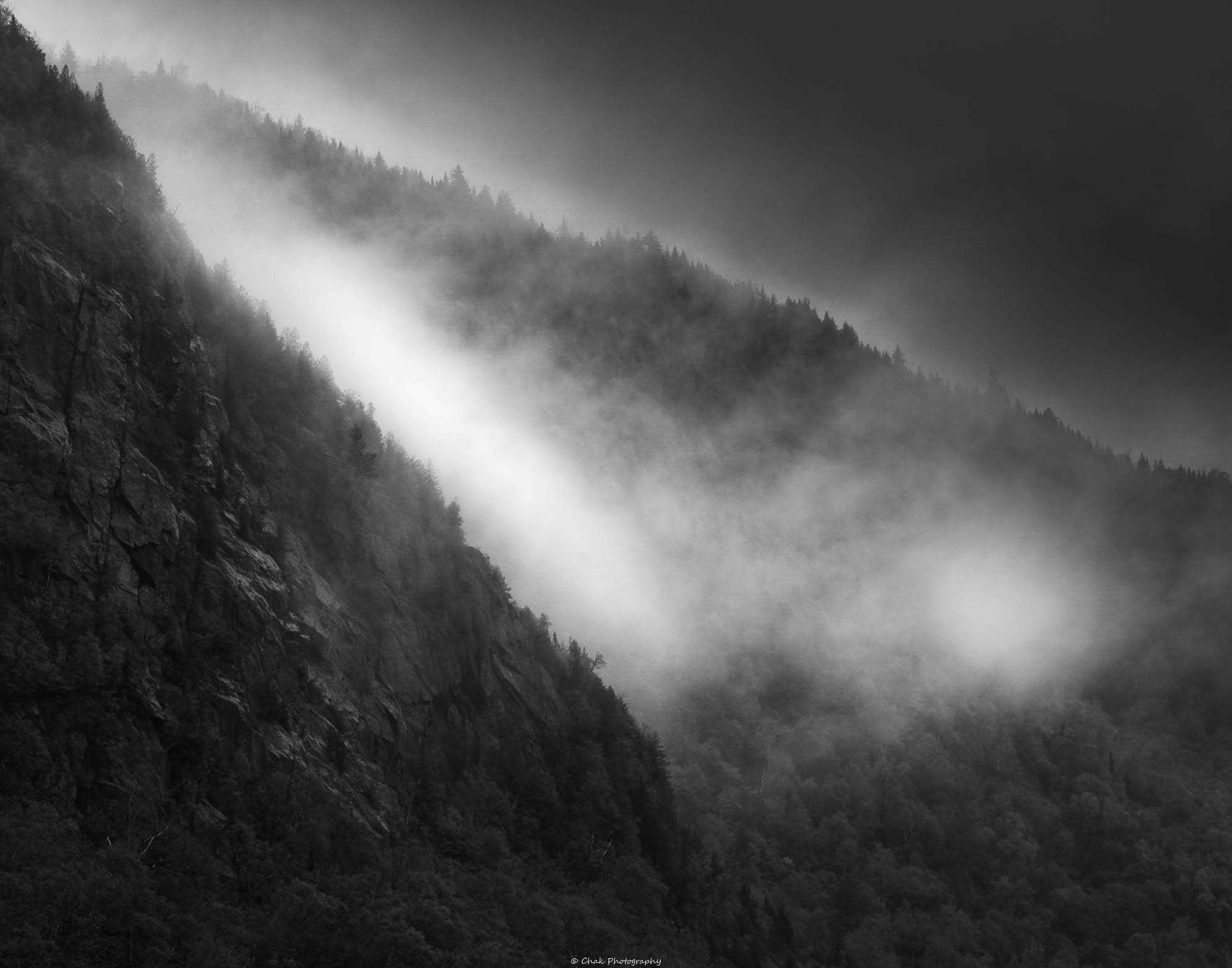 The clear and cloudless stretch of a mild winter with minimal snowfall of 2061 had finally showed its fangs, thus confirming the fearful suspicions of the ecologists. A small spark in the forest floor at the beginning of Spring soon started a cascade of wildfires. The source of this spark was never confirmed.
 The fresh foliage, however little that bloomed in the short-lived Spring was soon reduced to ashes leaving the denuded trunks to bear the burden of shame. It did seem as if ‘winter made its way back into invincible summer’.
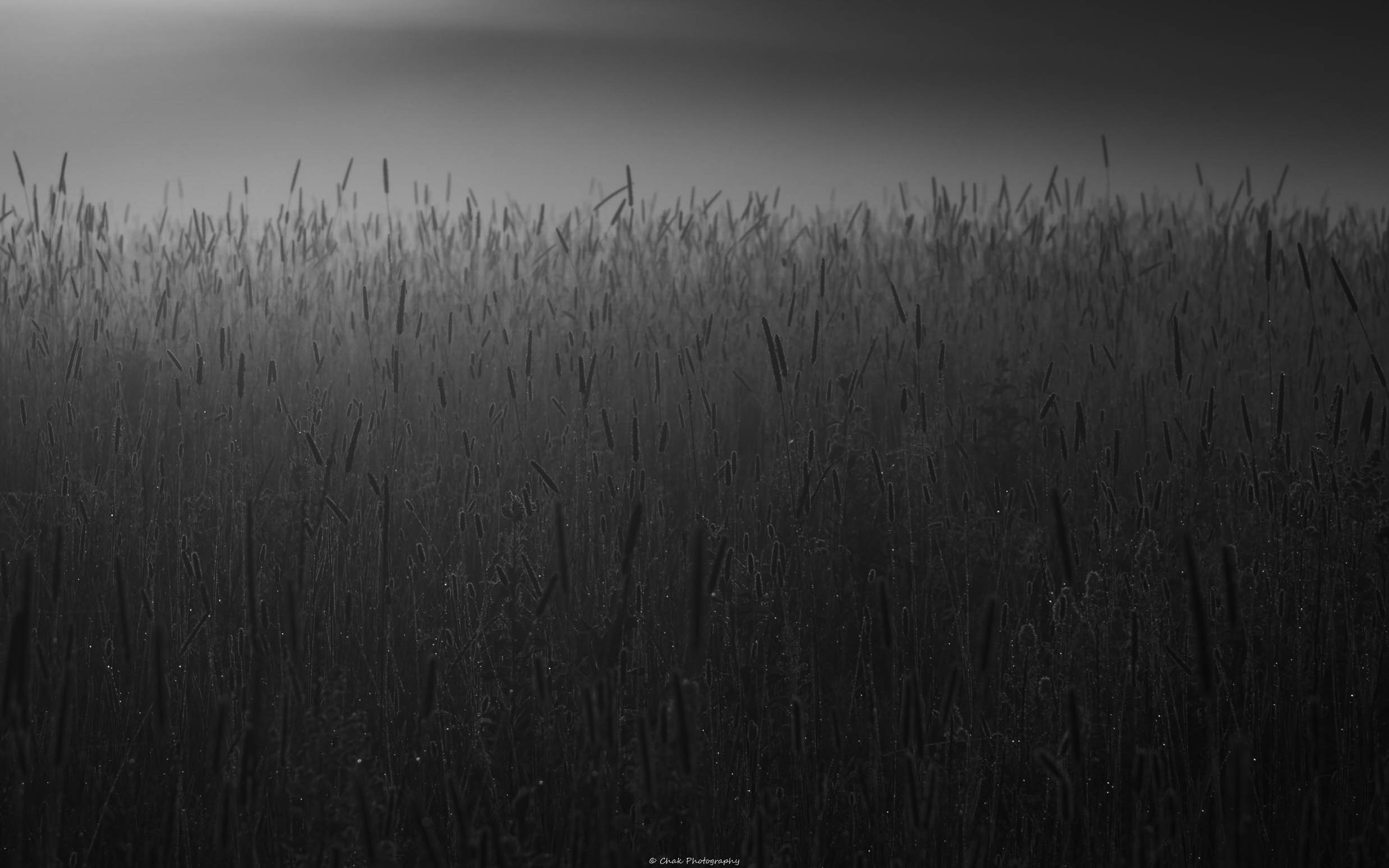 The farmlands, a source of livelihood for some residents, were doomed; all that remained was a sore to the eyes, and one that would soon make its presence more literal in the hungry bellies.
 Wildfires that started in the higher elevation soon led to rampant soil erosion and water runoff in the lowlands. The temporary yet sudden flooding downstream submerged the surrounding vegetation. Unable to adapt, many trees, already defeated by fire in the higher elevations, now acquiesced to the power of water in the low-lying areas.
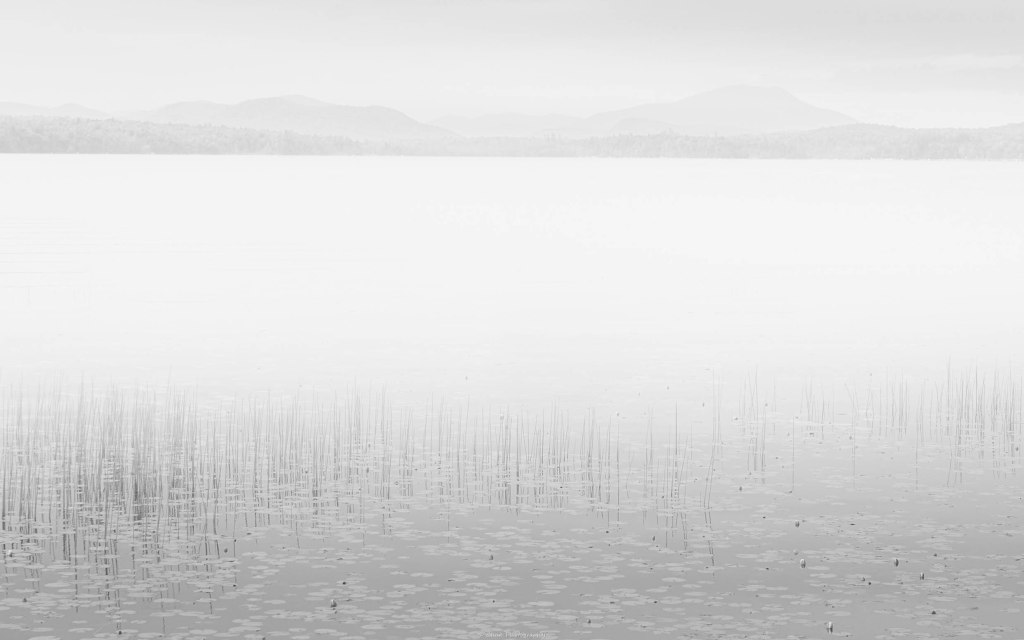
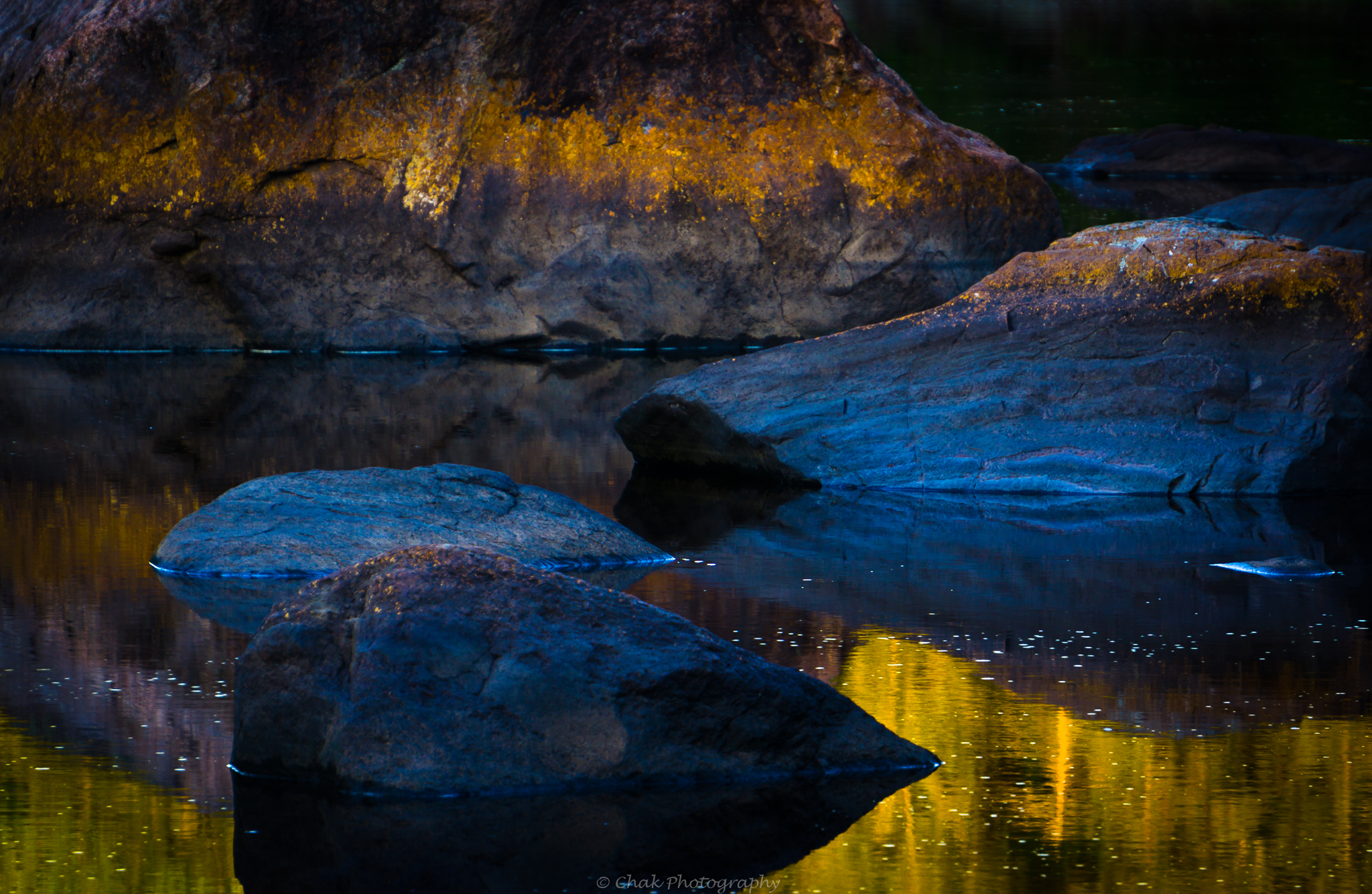
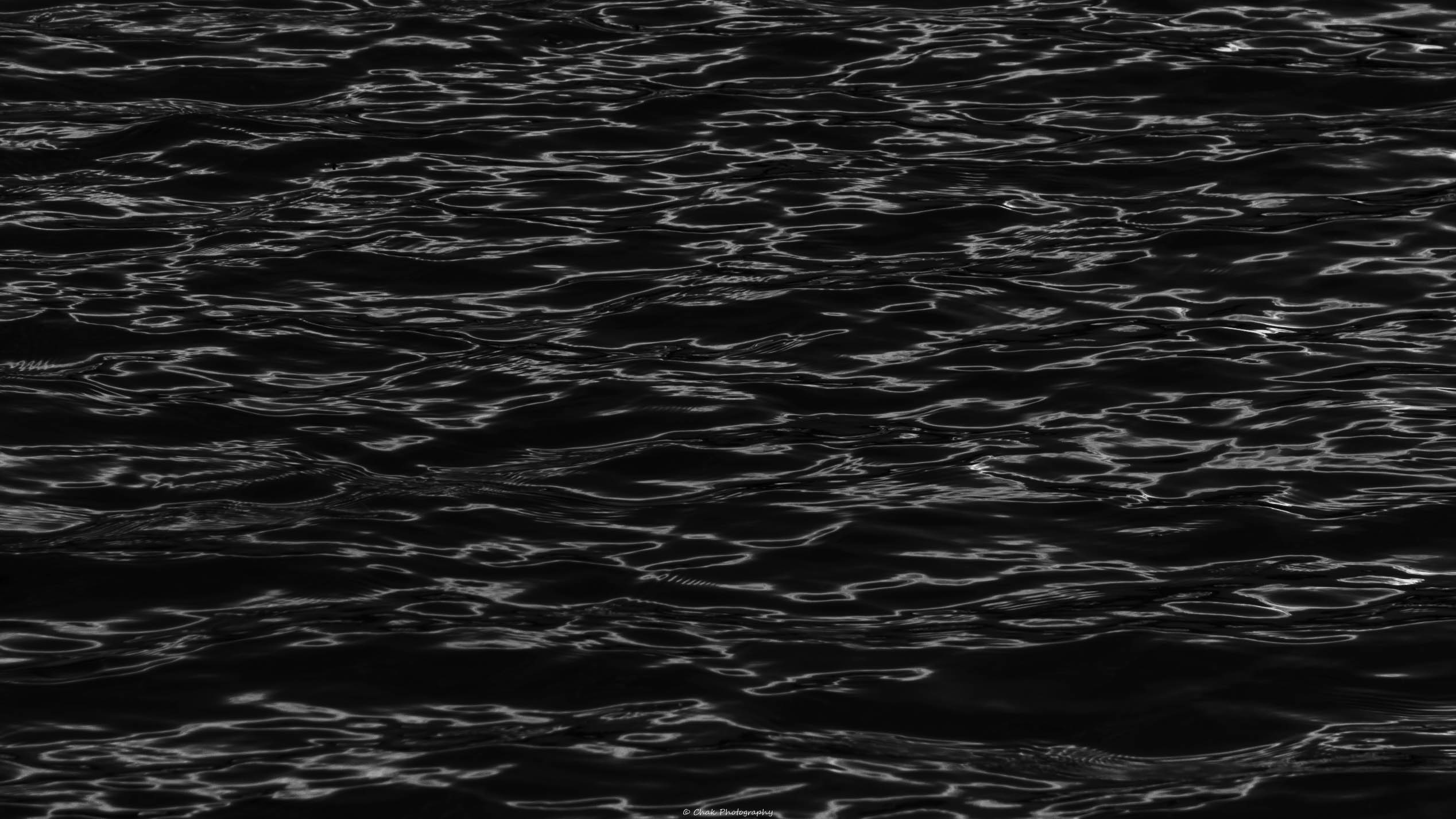 2068 A.D. The pristine rivers of the Adirondacks now move slowly, weighed down by the mud and decaying vegetation from the erosion of their banks. The Sun can be hardly seen anymore through the smoke, making the surface of these waters dark and foreboding.
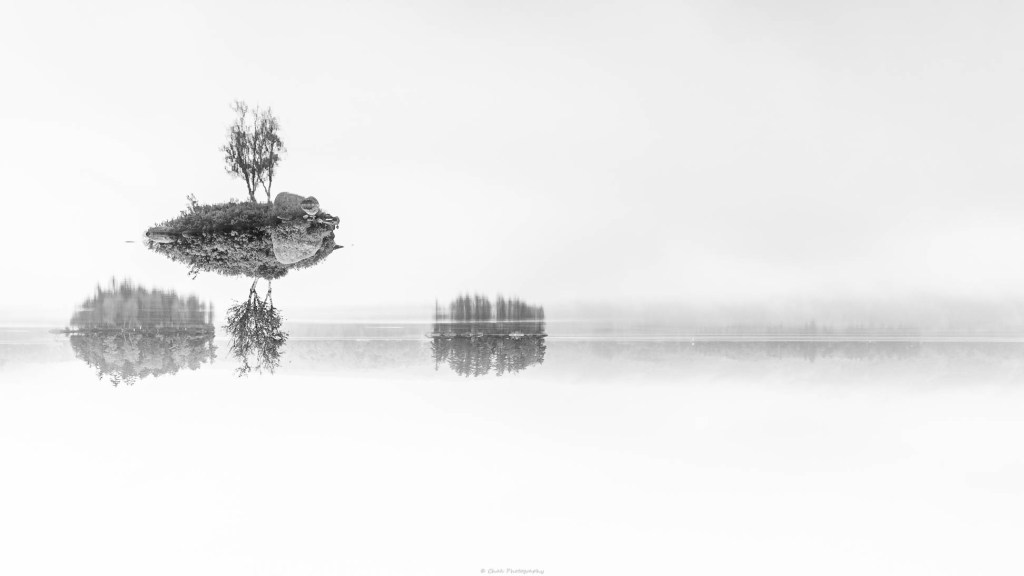
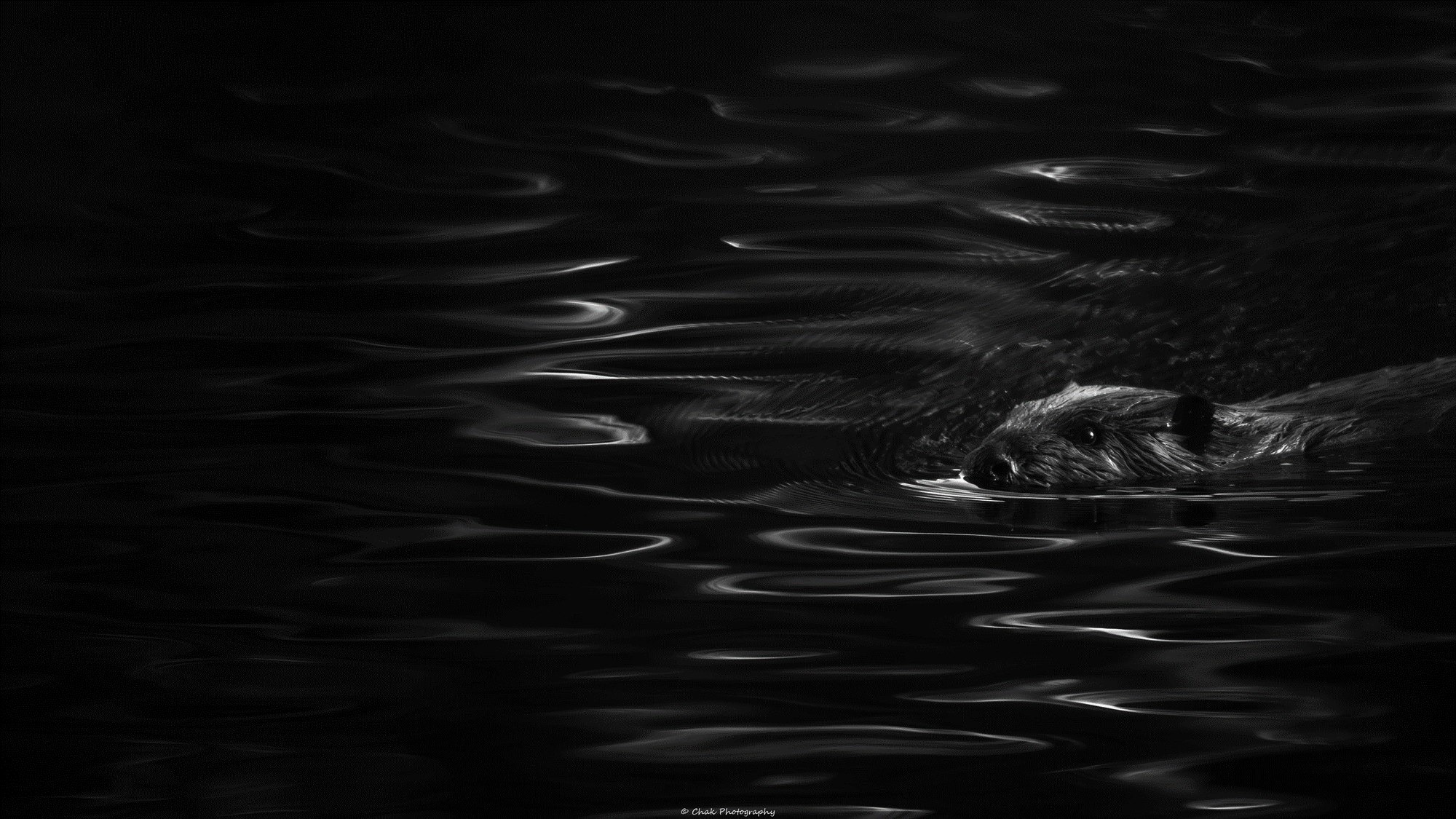 A lone beaver faces the flooding.
In the only way he has ever known.
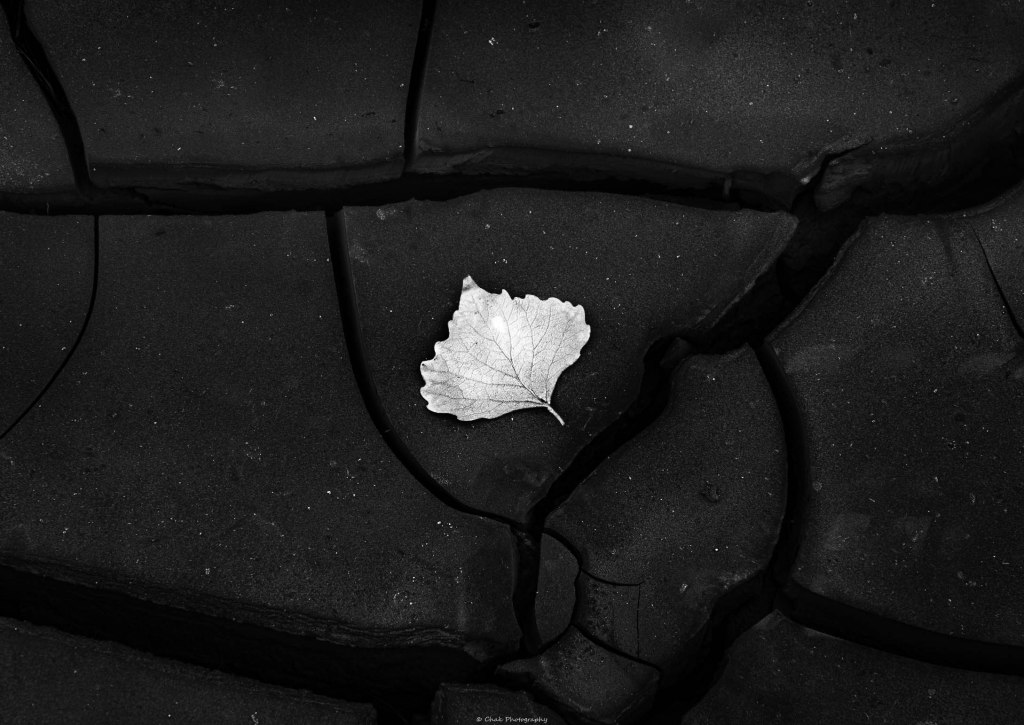
 In some shaded areas at the higher elevation, there are miniscule patches of snow. Under normal times, they would have melted into slush and mud, slowly making way for grass and wildflowers. Now, in the absence of light and warmth, these small patches are waiting indefinitely for resurrection.
 2070 A.D. The loons have completely shunned the Adirondacks. A few unfortunate ones that are trapped, unable to find their way back through the haze from the wildfires, are awaiting an inevitable fate.
 The watering hole that was once a favourite destination of the iconic moose is now undrinkable due to high concentrations of sulphates and iron oxides. Moose sightings were always rare in the Adirondacks and they are now believed to have been extinct from the area.
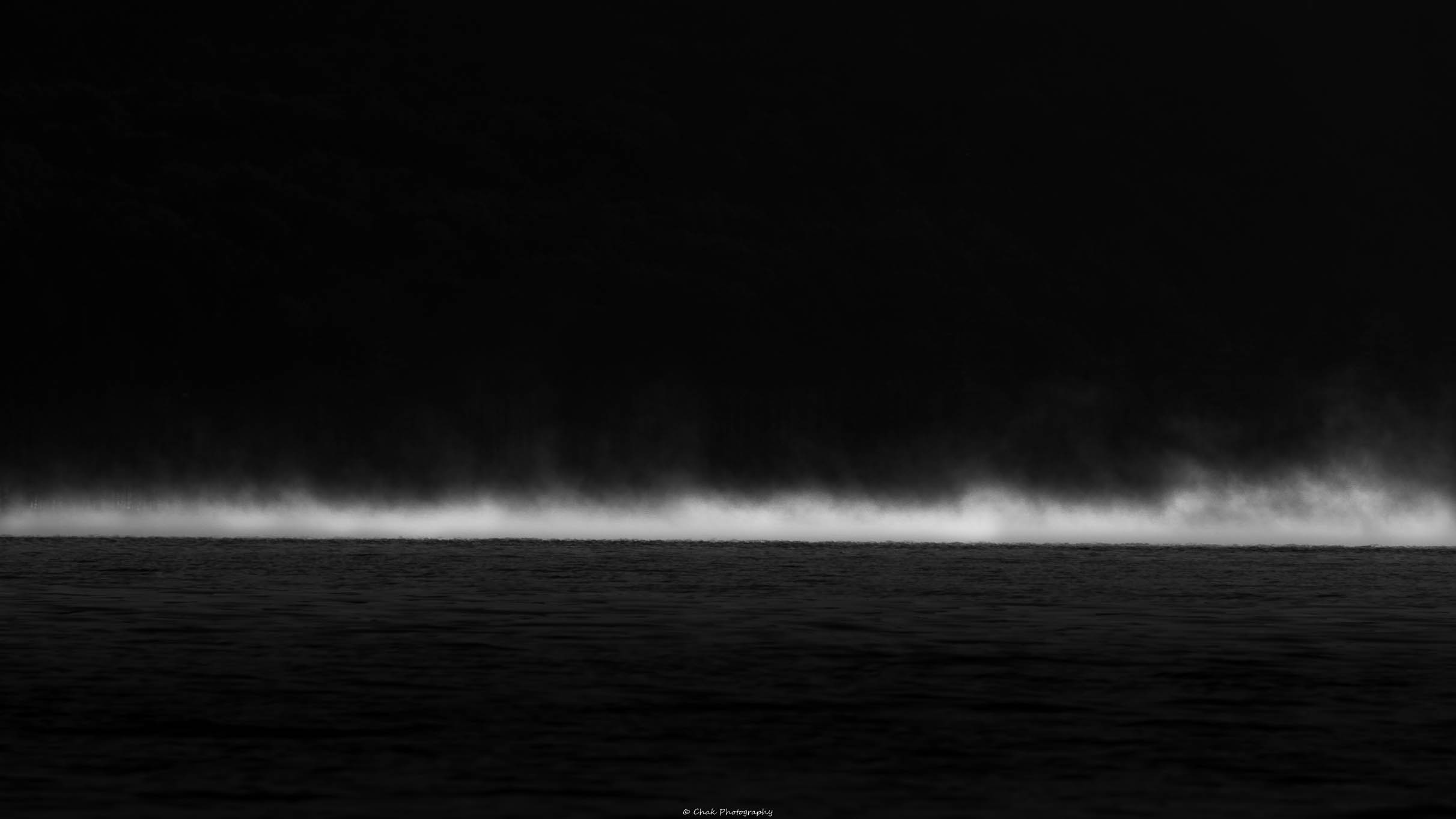 2071 A.D. After a period of continuous burning for ten years, the wildfires are finally starting to subside. After scorching through the entire forest preserve, it has run out of fuel. The thousands of miles of waterways also helped halt its progress, long after humans had evacuated the region and gave up the fight.
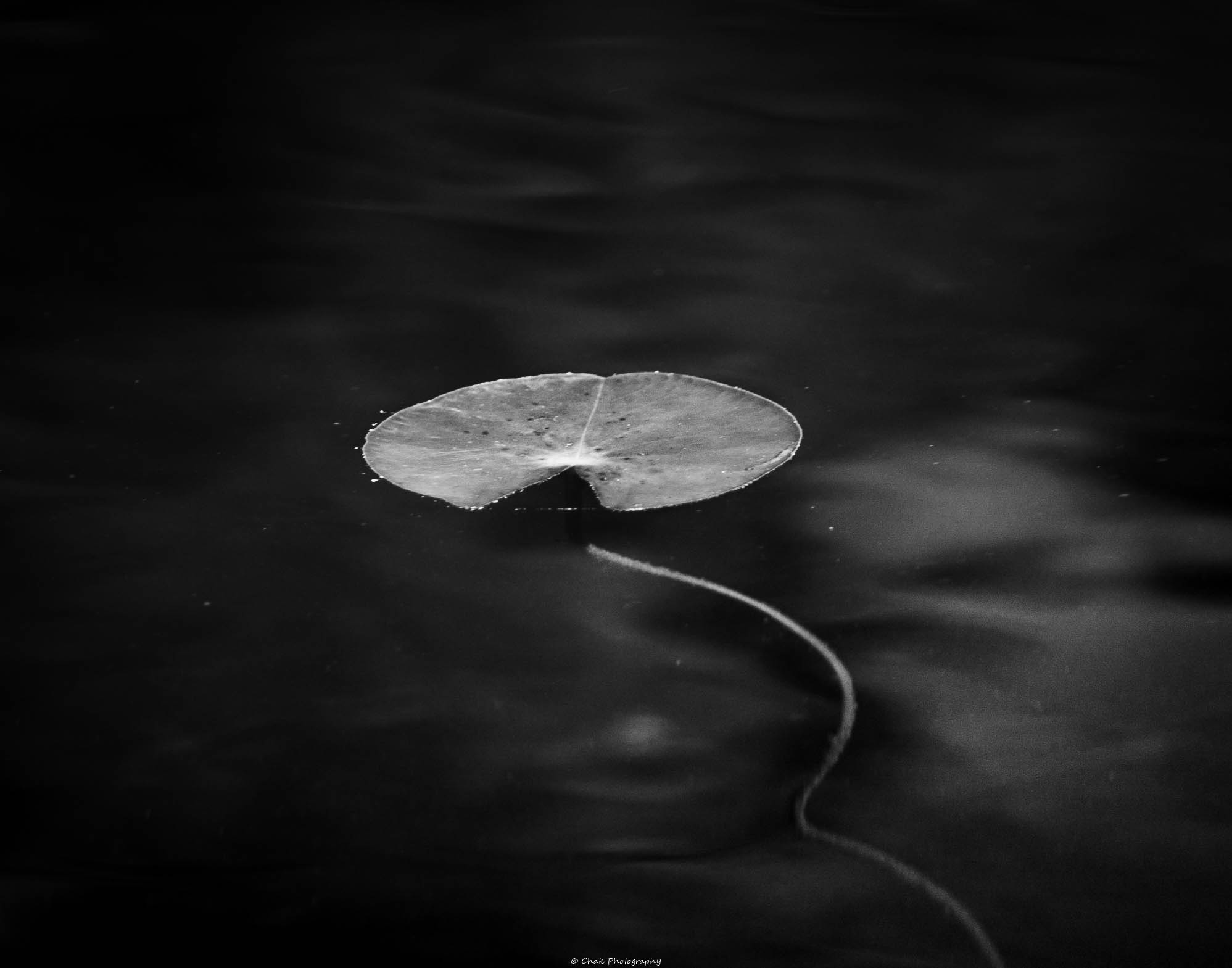 2101 A.D. A generation has grown up on rich stories of a place that was. Another generation has breathed their last with the dim hope of going back to add one last chapter to the story. But they were disappointed. As was the place with them.
Now, three decades hence, in the absence of prying eyes, a lilypad springs into life in the waters of the Adirondacks.
Hush. Let it be. Forever wild!
Thanks to Jordan Craig (https://www.instagram.com/jordancraigmedia/) who spurred the thought for this series while we were discussing about the show ‘Chernobyl’ and the editing techniques used therein to showcase dystopia. Thanks to Nikhil Nagane (https://www.niknaganephotography.com/) for reviewing some of these images and providing suggestions. Both of them are excellent photographers and you can find their work in the above mentioned links.
43.086643
-75.212390









 Musings from North country